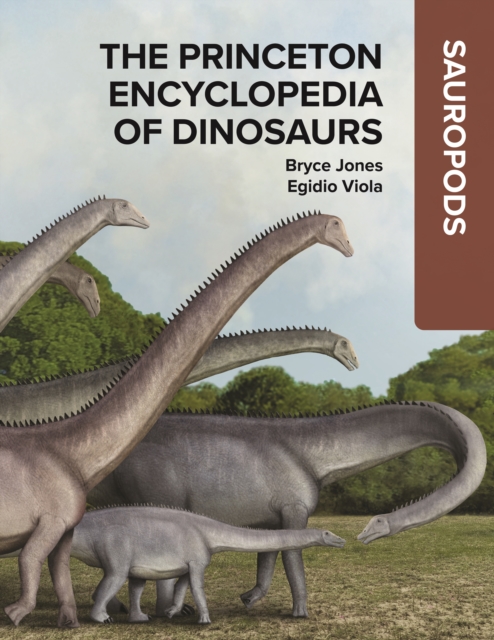
The essential illustrated compendium of sauropod dinosaurs, from the towering Brachiosaurus to small, long-necked herbivoresThe Princeton Encyclopedia of Dinosaurs: Sauropods brings together every species of long-necked dinosaur known to have roamed the prehistoric world, with a dedicated entry for each species describing its key characteristics, taxonomic classification, location, and known remains along with a concise history of its discovery.
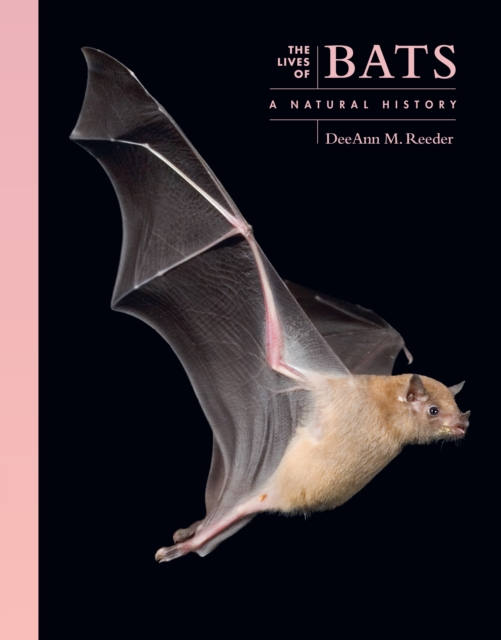
A wonderfully illustrated guide to the natural history of the world's batsBats are the second-largest order of mammals and inhabit almost every corner of the globe, but these secretive creatures are often maligned and misunderstood.
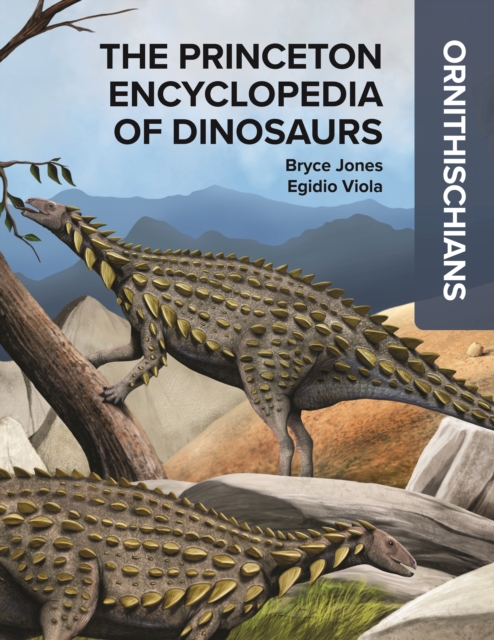
The essential illustrated compendium of ornithischian dinosaurs, from the tanklike Stegosaurus to duck-billed hadrosaursThe Princeton Encyclopedia of Dinosaurs: Ornithischians brings together every species of armored and horn-faced dinosaur known to have roamed the prehistoric world, with a dedicated entry for each species describing its key characteristics, taxonomic classification, location, and known remains along with a concise history of its discovery.
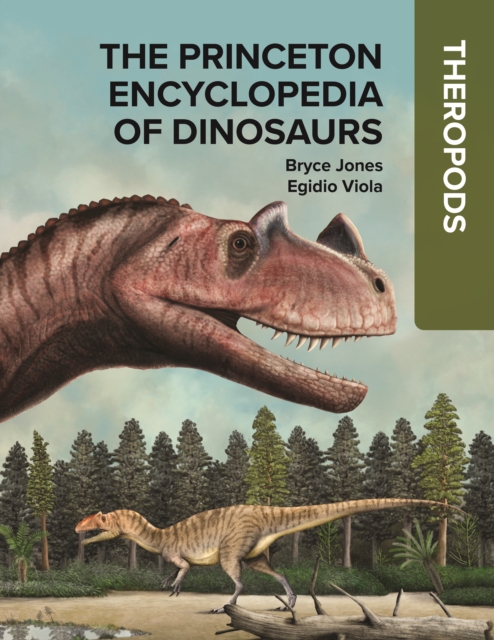
The essential illustrated compendium of theropod dinosaurs, from the mighty Tyrannosaurus to fierce feathered raptorsThe Princeton Encyclopedia of Dinosaurs: Theropods brings together every species of predatory dinosaur known to have roamed the prehistoric world, with a dedicated entry for each species describing its key characteristics, taxonomic classification, location, and known remains along with a concise history of its discovery.
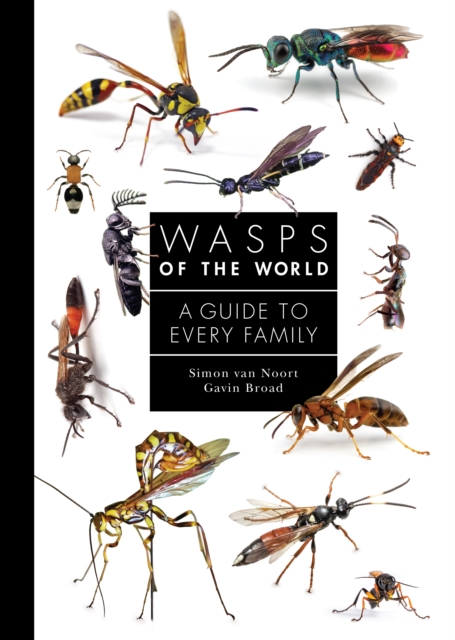
A richly illustrated guide to wasps around the worldWasps have been around since before the dinosaurs and are one of the world's largest insect groups.
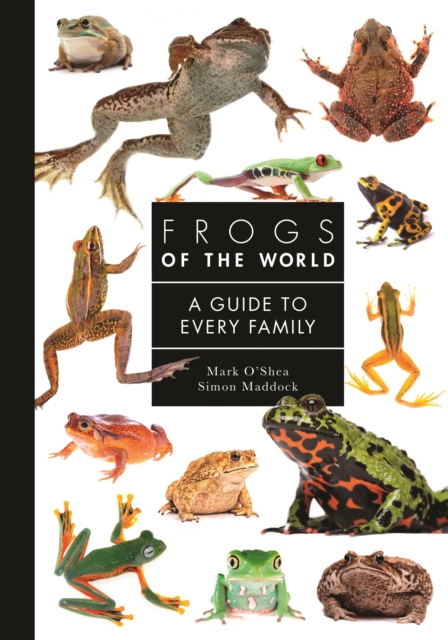
A richly illustrated guide to the world's frogs that includes species from every familyWith more than 7,600 known species, frogs exhibit an extraordinary range of forms and behaviors, from those that produce toxins so deadly that they could kill a human many times over to those that can survive being frozen in ice.
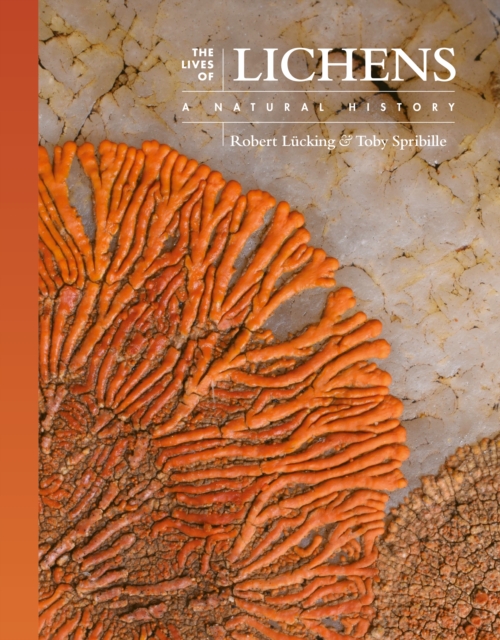
A richly illustrated guide to lichens and their biologyExisting at the margins of life, lichens are the result of symbiotic relationships between fungi and photosynthesizing partners in the form of algae or cyanobacteria.
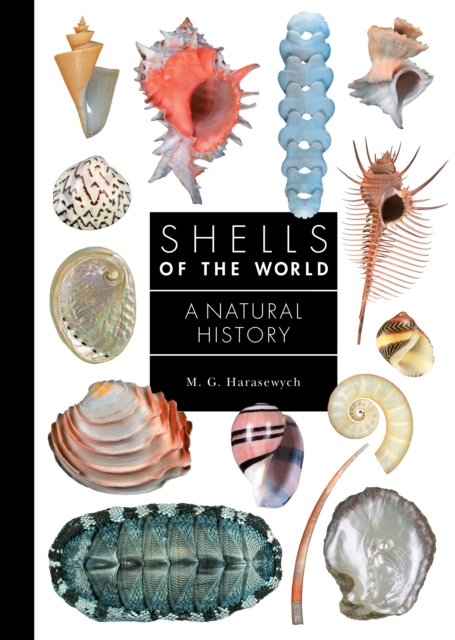
A marvelously illustrated natural history of the world's mollusksMollusks are invertebrate animals with a remarkable natural history and a rich fossil record, and their shells are prized for their breathtaking variety and exquisite beauty.
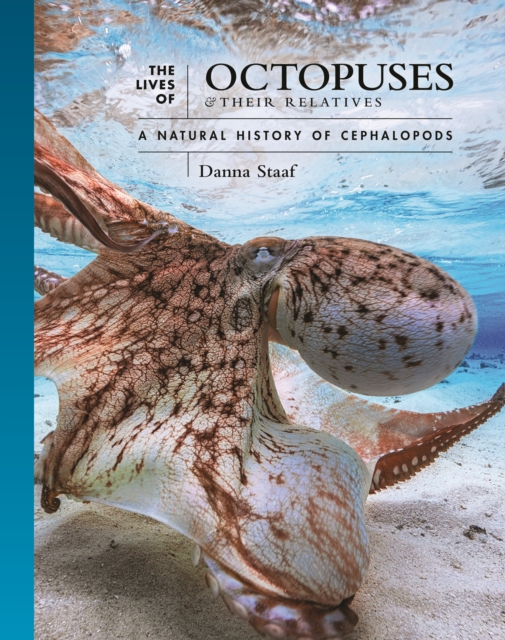
An engaging and beautifully illustrated introduction to some of the world's most interesting and charismatic marine creaturesDive deep into the fascinating world of cephalopodsoctopuses, squid, cuttlefish, and the mysterious nautilusto discover the astonishing diversity of this unique group of intelligent invertebrates and their many roles in the marine ecosystem.
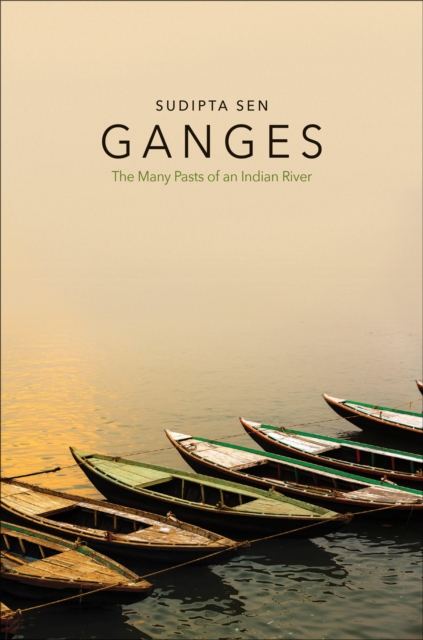
A sweeping, interdisciplinary history of the world’s third-largest river, a potent symbol across South Asia and the Hindu diaspora Originating in the Himalayas and flowing into the Bay of Bengal, the Ganges is India’s most important and sacred river.
A sweeping, interdisciplinary history of the world’s third-largest river, a potent symbol across South Asia and the Hindu diaspora Originating in the Himalayas and flowing into the Bay of Bengal, the Ganges is India’s most important and sacred river.
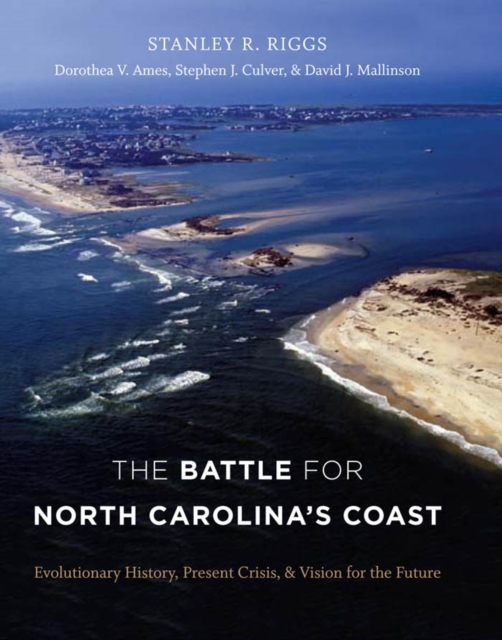
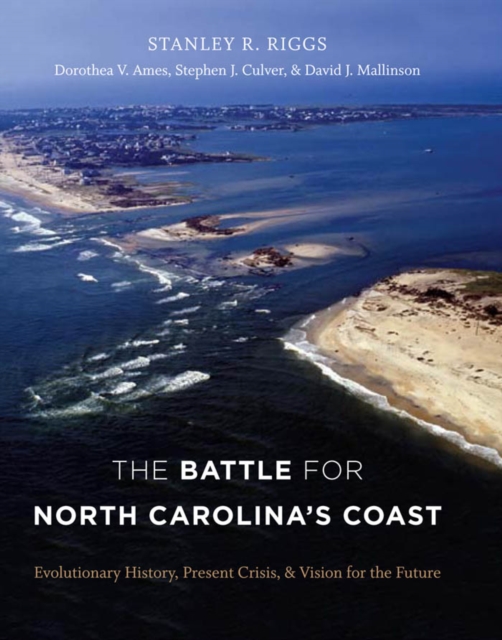
The North Carolina barrier islands, a 325-mile-long string of narrow sand islands that forms the coast of North Carolina, are one of the most beloved areas to live and visit in the United States.
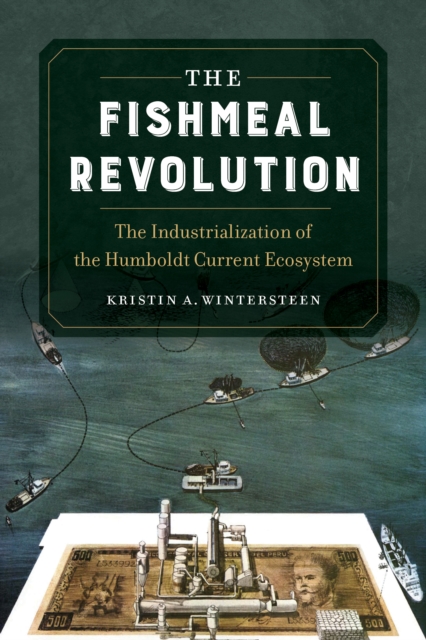
Off the Pacific coast of South America, nutrients mingle with cool waters rising from the ocean's depths, creating one of the world's most productive marine ecosystems: the Humboldt Current.
*Winner of the British Academy Book Prize 2025**Winner of the the Dayton Literary Peace Prize for Nonfiction 2025* One of the Observer's 25 Best Books of the Century Dazzling brilliant exactly the kind of history that we need on our crisis-ridden planet - Tom Simpson, TLSIn this paradigm-shifting global history of how humanity has reshaped the planet, and the planet has shaped human history, Sunil Amrith twins the stories of environment and Empire, of genocide and eco-cide, of the expansion of human freedom and its costs.
Over the past 150 years, people have flocked to the Pacific Northwest in increasing numbers, in part due to the regions beauty and one of its most exceptional features: volcanoes.
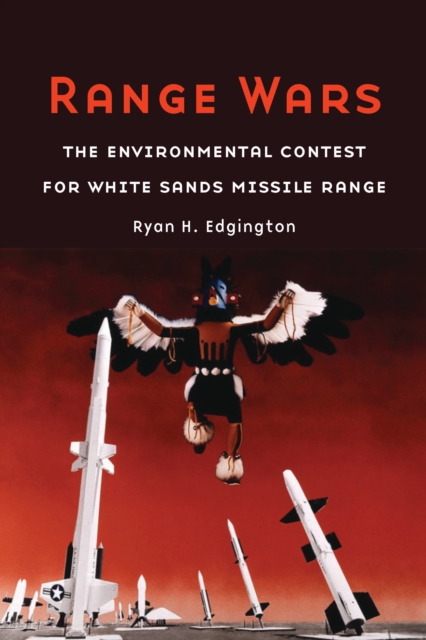
Established in south-central New Mexico at the end of World War II, White Sands Missile Range is the largest overland military reserve in the western hemisphere.
Off the Pacific coast of South America, nutrients mingle with cool waters rising from the ocean's depths, creating one of the world's most productive marine ecosystems: the Humboldt Current.
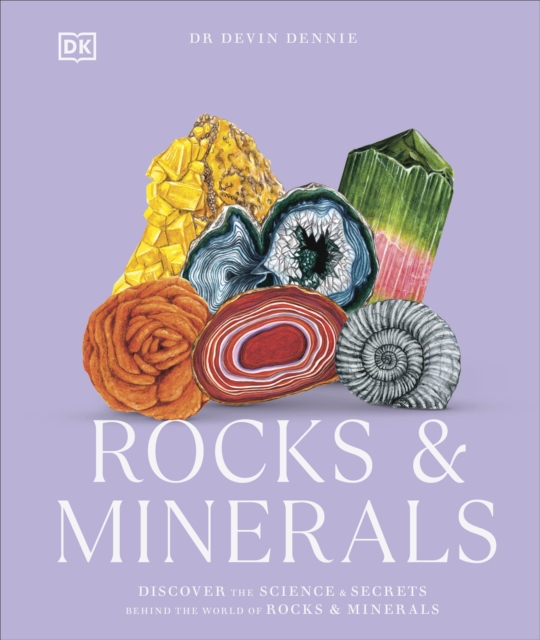
Unearth the fascinating stories of the rocks and minerals beneath your feetDid you know that sand and mud are technically rocks or that there are 6,145 species of minerals?
The North Carolina barrier islands, a 325-mile-long string of narrow sand islands that forms the coast of North Carolina, are one of the most beloved areas to live and visit in the United States.
The North Carolina barrier islands, a 325-mile-long string of narrow sand islands that forms the coast of North Carolina, are one of the most beloved areas to live and visit in the United States.
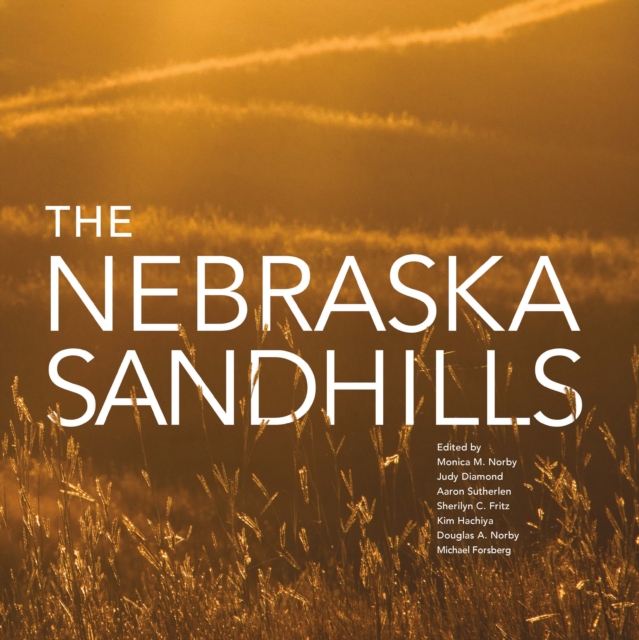
Like a rumpled wool blanket, the Nebraska Sandhills spreads out over twenty thousand square miles of north central Nebraska and is the largest stabilized dune field in the Western Hemisphere.
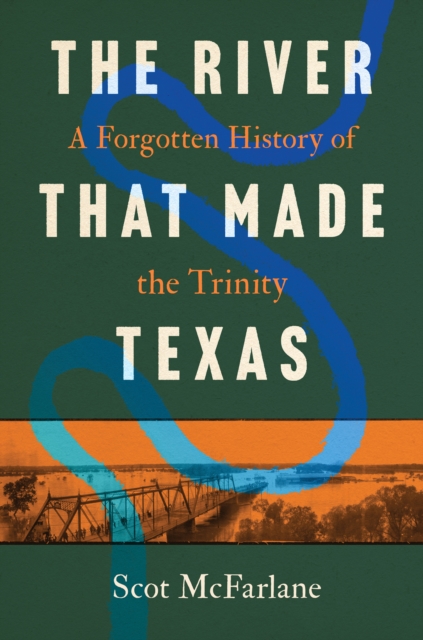
Today, half of Texass expanding population, including the cities of Dallas, Fort Worth, and Houston, depends on the Trinity River, a river that has shaped the states politics, economy, and environment for centuries.
Today, half of Texass expanding population, including the cities of Dallas, Fort Worth, and Houston, depends on the Trinity River, a river that has shaped the states politics, economy, and environment for centuries.
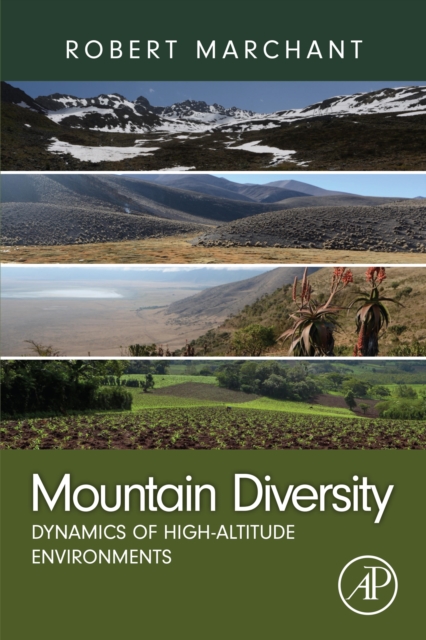
Mountain Diversity: Dynamics of High-Altitude Environments explores the highly biodiverse, culturally rich, and often threatened mountain regions that comprise a quarter of the world's continental land surface.
Mountain Diversity: Dynamics of High-Altitude Environments explores the highly biodiverse, culturally rich, and often threatened mountain regions that comprise a quarter of the world's continental land surface.
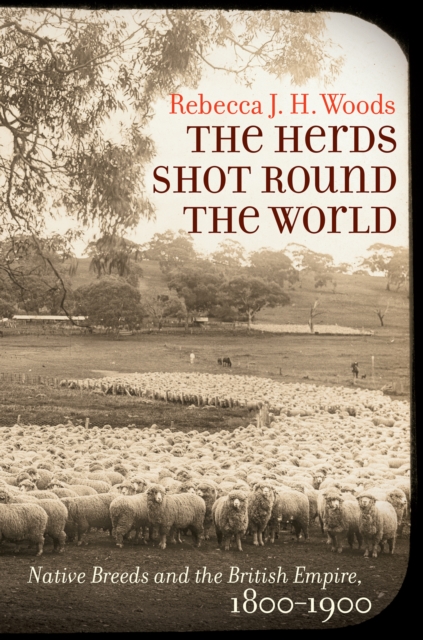
As Britain industrialized in the early nineteenth century, animal breeders faced the need to convert livestock into products while maintaining the distinctive character of their breeds.
As Britain industrialized in the early nineteenth century, animal breeders faced the need to convert livestock into products while maintaining the distinctive character of their breeds.
A love letter to the Adirondacks, revealing the hidden wonders and interconnected lives of its wildlife by one of the region's most prolific and prominent residents.
A love letter to the Adirondacks, revealing the hidden wonders and interconnected lives of its wildlife by one of the region's most prolific and prominent residents.
Experience a year immersed in the healing power, adventure, and tranquility of the natural world, on sixteen acres of wild land in Southern Ontario, Canada.