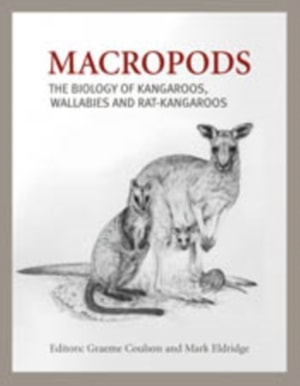
This book covers the proceedings of a major 2006 symposium on macropods that brought together the many recent advances in the biology of this diverse group of marsupials, including research on some of the much neglected macropods such asthe antilopine wallaroo, the swamp wallaby and tree-kangaroos.
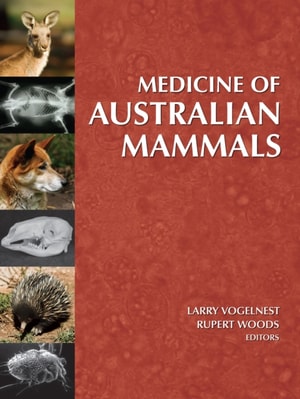
In Medicine of Australian Mammals, more than 30 experts present the most current information available on the medical management of all taxa of Australian native mammals.
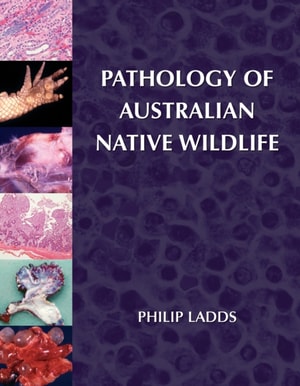
Pathology of Australian Native Wildlife brings together in one volume available information on the pathology of Australian native vertebrate wildlife, excluding fish.
First published in 1994, The Complete Guide to Finding the Birds of Australia was the first ever book of its type in Australia – a complete guide to locating every resident bird species in Australia, plus supplementary information on where to find rarities, migratory species and logistical information.
Desert Channels is a book that combines art, science and history to explore the ‘impulse to conserve’ in the distinctive Desert Channels country of south-western Queensland.
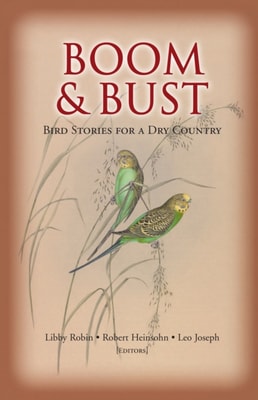
In Boom and Bust, the authors draw on the natural history of Australia's charismatic birds to explore the relations between fauna, people and environment in a continent where variability is 'normal' and rainfall patterns not always seasonal.
The remote, beautiful and poorly known rainforests of Cape York Peninsula tell a special story about Australia’s historic and present-day connections to New Guinea.
Over the past half a century research has revealed that marsupials – far from being ‘second class’ mammals – have adaptations for particular ways of life quite equal to their placental counterparts.
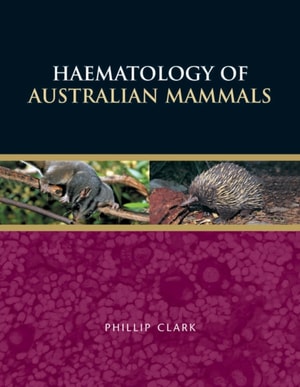
Haematology of Australian Mammals is a valuable guide to collecting and analysing the blood of Australian mammals for haematological studies and diagnosis and monitoring of disease.
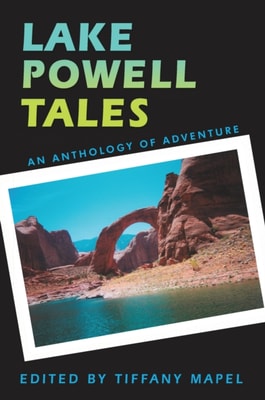
Lake Powell Tales-an engaging and entertaining collection of personal stories that span the decades about exploring and enjoying America's most scenic lake, in the heart of Glen Canyon National Recreation Area.
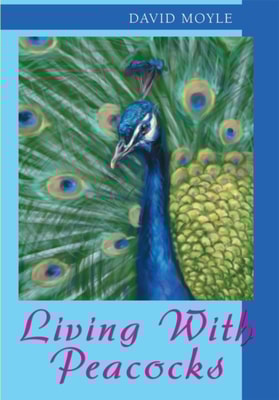
This little book provides delightful, down-to-earth insights into what it's like to actually live with one of the grandest, most beautiful animals on our planet, the peacock.
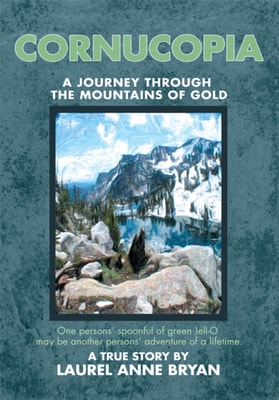
What begins as a relaxing, back to nature backpacking trip into Oregon's rugged Eagle Cap wilderness soon evolves into a three month adventure of a lifetime for three people and a big white dog.
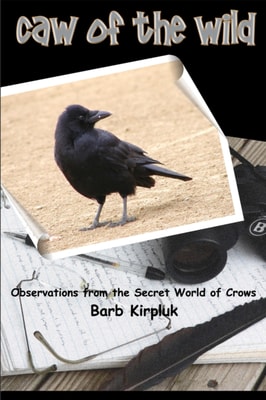
Caw of the Wild is an in-depth exploration into the intriguing and complex behavior of one of North America's most intelligent, but often reviled, birds-the American Crow.
There's more than one kind of Texas native-we share our magnificent state with numerous other species some with four legs or more and some with no legs at all.
An "e;entertaining"e; history and illustrated guide to seventy-six kinds of sparrows: "e;You will not find more complete or better written accounts of these birds.
At the center of Deep Blue Home-a penetrating exploration of the ocean as single vast current and of the creatures dependent on it-is Whitty's description of the three-dimensional ocean river, far more powerful than the Nile or the Amazon, encircling the globe.
The Yaak Valley of northwestern Montana is one of the last great wild places in the United States, a land of black bears and grizzlies, wolves and coyotes, bald and golden eagles, wolverine, lynx, marten, fisher, elk, and even a handful of humans.
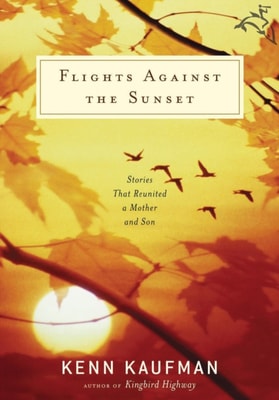
True life essays that show how a son's connection with birds helped him reconnect with his mother, from the ornithologist and author of Kingbird Highway.
In 1935, an Australian government agency imported 101 specimens of the Central and South American Cane Toad in an attempt to manage insects that were decimating sugar-cane harvests.
Now forty years old, the Endangered Species Act (ESA) remains a landmark act in conservation and one of the world's most comprehensive laws designed to prevent species extinctions and support recovery efforts for imperiled species.