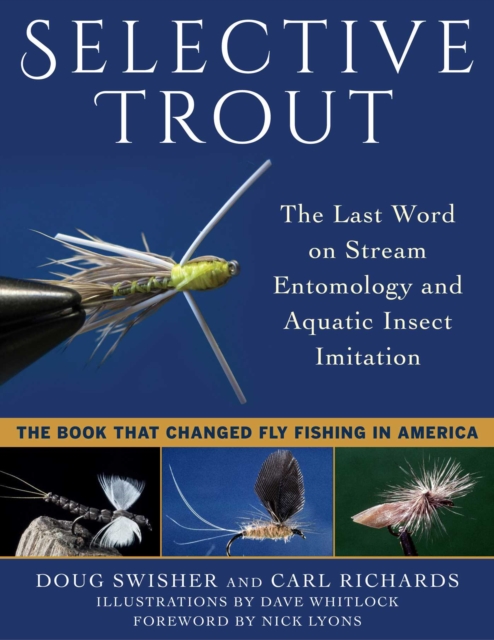
When it was originally published in 1971, Selective Trout was universally acclaimed as the most revolutionary approach to aquatic insect imitation in the twentieth century.
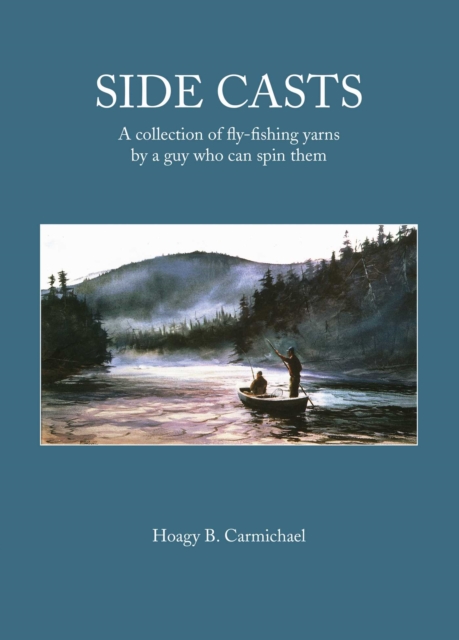
From the mighty rivers of the Pacific Northwest, to the rolling streams of New England, to the freestone streams of the Appalachians, to the frigid waters of Canada, fly fishing is a sport embraced by anglers from all corners of North America.
Let the four-legged masters of Zencatshelp you cultivate happiness in this meditative guide that uses feline behavior as a model for inner peace and includes an interactive cover which produces the sound of five different soothing purrs.
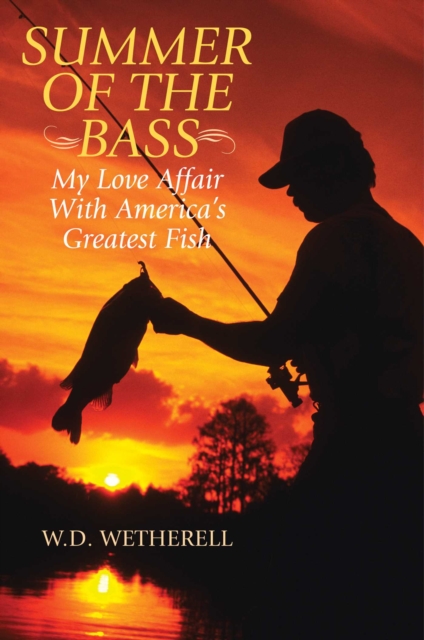
The black bass is not only the most popular American gamefish, fished for by millions, but is also one of the country's most iconic creatures, embodying many of the traits and virtues we like to think of as typically American.
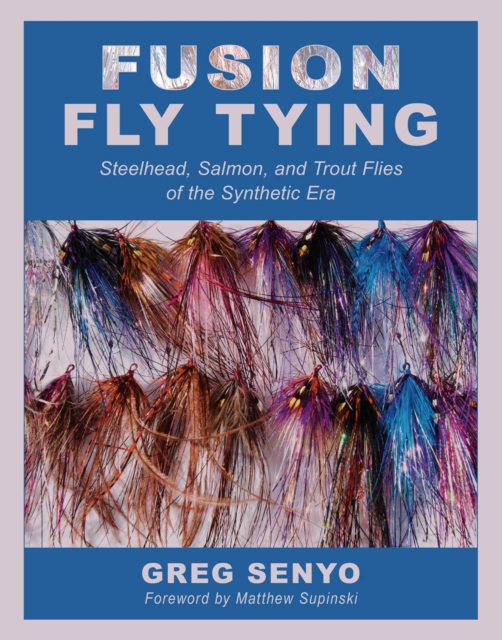
Thorough and complete how-to guide for fusion fly tyingShares essential techniques with clear instructionsWritten by Greg Senyo, an expert on tying your own flies Do you want to learn more efficient and effective methods for fusion fly tying?
Dieses eBook: "Auf Schneeschuhen übers Gebirge" ist mit einem detaillierten und dynamischen Inhaltsverzeichnis versehen und wurde sorgfältig korrekturgelesen.
The founder and president of PETA, Ingrid Newkirk, and bestselling author Gene Stone explore the wonders of animal life with ';admiration and empathy' (The New York Times Book Review) and offer tools for living more kindly toward them.
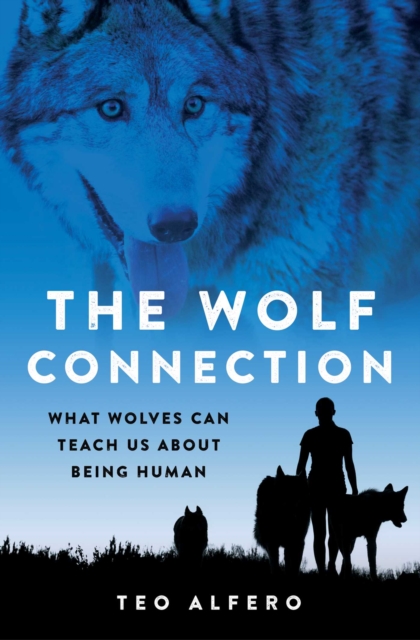
Discover the transformative lessons from one of humanity's oldest teachersthe wolfwith this enthralling, accessible, and ';beautiful book' (Helen Hunt, Academy Awardwinning actress) that ';is rich with meaning, emotion, and spirit.
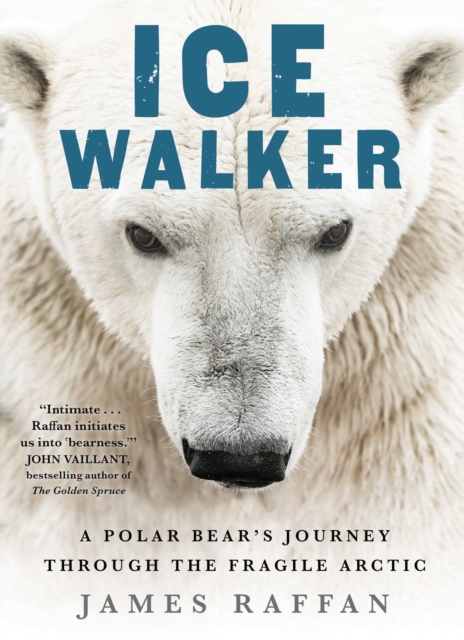
From bestselling author James Raffan comes an enlightening and original story about a polar bear's precarious existence in the changing Arctic, reminiscent of John Vaillant's The Golden Spruce.
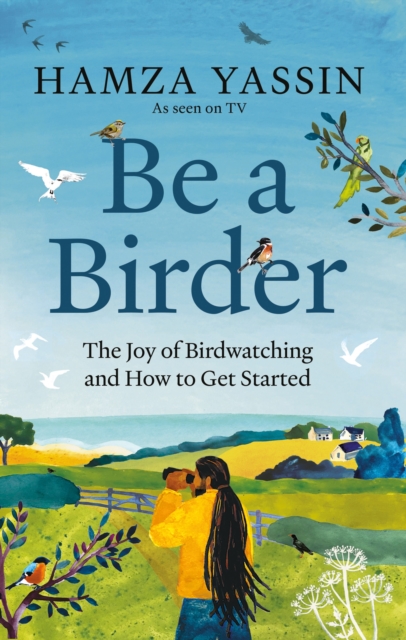
'He is delight and joy personified' - Marian Keyes'Set to become BBC's next David Attenborough' - Daily Mail'Brings a little bit of joy to us all' - GuardianDiscover the wonderful world of birdwatching with wildlife cameraman Hamza Yassin - winner of BBC One's Strictly Come Dancing 2022 and presenter of BBC documentary Hamza: Strictly Birds of Prey 'Birds have been with me my entire life - from the colourful weaver birds on the banks of the Nile in Sudan to the magpies of Newcastle, from the roosting peregrine falcons near my parents' house in Northampton to the white-tailed eagles on the west coast of Scotland.
In the two hundred years since their arrival in America, elephants have worked on farms, mills, mines, and railroads, in Hollywood, and in professional baseball.
Ever been tempted by the thought of trying juicy deep fried mealworms, proteinrich cricket flower, or swapping your Walkers for salt and vinegar flavoured grasshoppers?
The perfect gift for nature lovers - The Book of the Owl is a beautifully illustrated small format hardback exploring the legend and history of the owl.
'A revelation for anyone with the slightest interest in the feathered friends visiting their gardens' - Garden NewsYou don't have to be a dedicated birdwatcher to be a bird lover.
'Evocatively written and charming' - Countryfile'The January Man is a book that makes you want to pull on your boots, grab a map and get out there' - Country LifeThe January Man is the story of a year of walks that was inspired by a song, Dave Goulder's 'The January Man'.
Ami Ami Dogs 2: More Seriously Cute Crochet is the second installment in a new series for dog lovers, crafty folk, and people who just love cute stuff.
'Prose from a poet and a personal take on the spectacles' Chris Packham, author of Fingers in the Sparkle JarShortlisted for Richard Jefferies Society & White Horse Bookshop Literary Prize 2017Longlisted for the Wainwright Prize 2017Britain is a nation of bird-lovers.
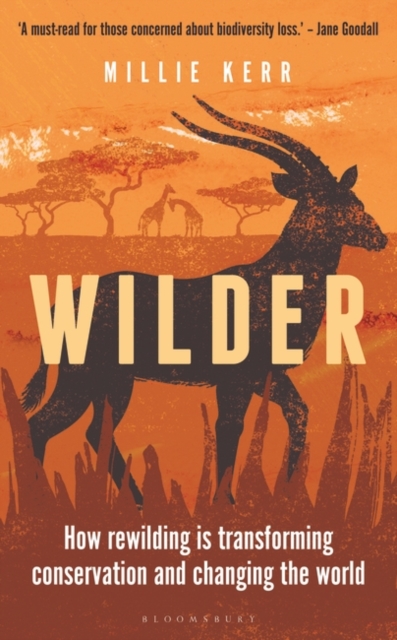
FINALIST IN THE 2024 AAAS/SUBARU PRIZE FOR EXCELLENCE IN SCIENCE WRITING YOUNG ADULT SCIENCEA global rewilding journey, exploring innovative and eye-opening projects led by passionate conservationists.
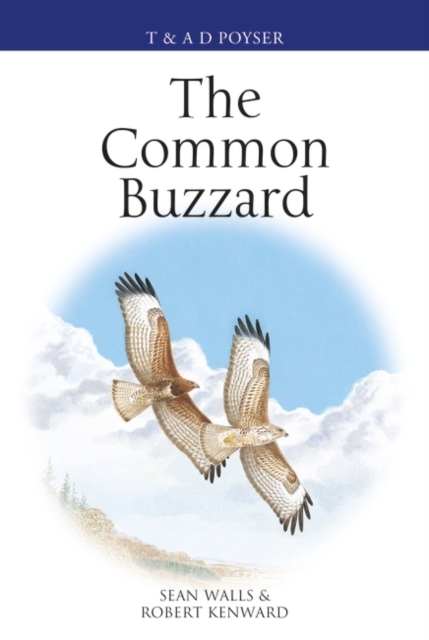
'Based on many years of personal research, and a thorough knowledge of the European literature, the authors provide an eminently readable account of the biology of the Common Buzzard.
'Based on many years of personal research, and a thorough knowledge of the European literature, the authors provide an eminently readable account of the biology of the Common Buzzard.
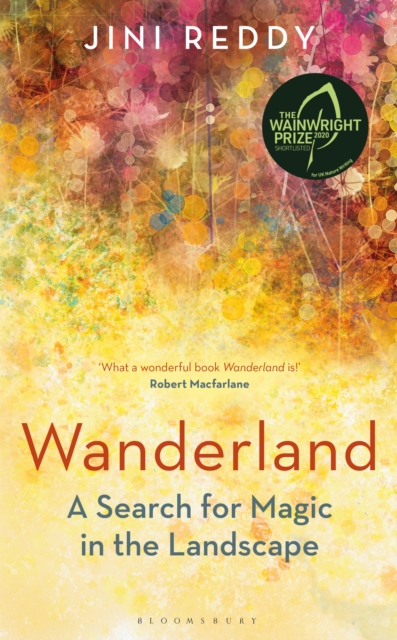
Shortlisted for the 2021 Stanford Dolman Travel Book of the Year AwardShortlisted for the 2020 Wainwright Prize for UK Nature WritingAlone on a remote mountaintop one dark night, a woman hears a mysterious voice.
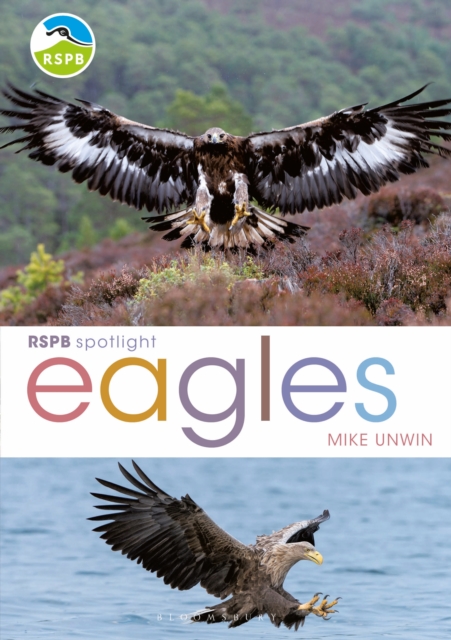
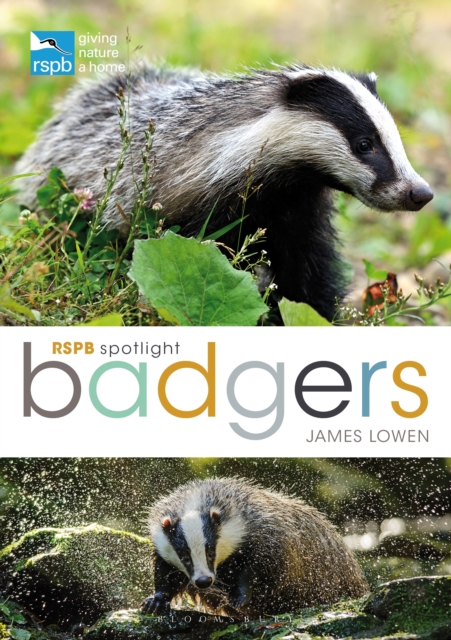
The Spotlight series introduces readers to the lives and behaviours of our favourite animals with eye-catching, colour photography and informative expert text.
The Spotlight series introduces readers to the lives and behaviours of our favourite animals with eye-catching, colour photography and informative expert text.
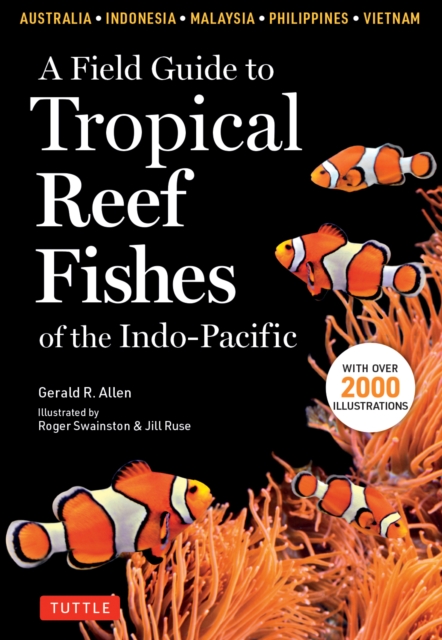
Now available in the US, this is the revised and expanded fifth edition of a book that has been the standard reference work for divers, anglers and scientists for over 30 years.