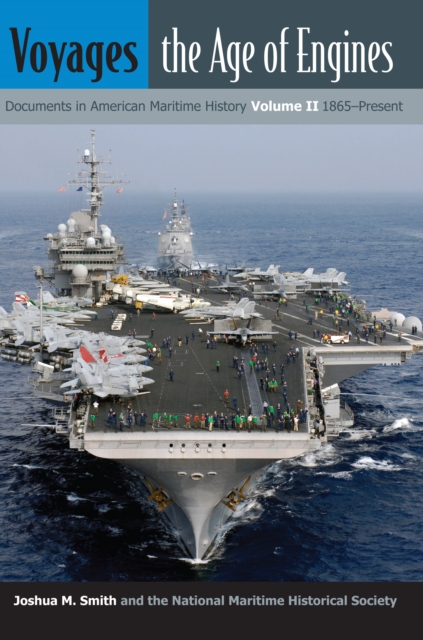
Intended as a text for college and advanced high school students, Voyages covers the entirety of the American maritime experience, from the discovery of the continent to the present.
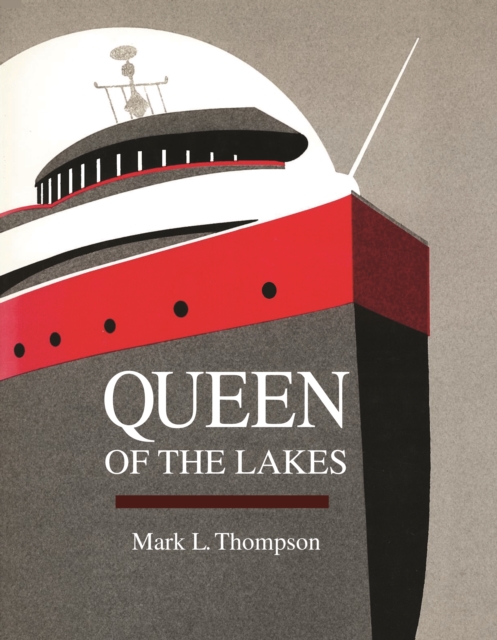
Queen of the Lakes, perfect for coffee tables, lakefront cabins, and boat lovers' bookshelves, tells the story of each of the ships that has been honored with the title "Queen of the Great Lakes.
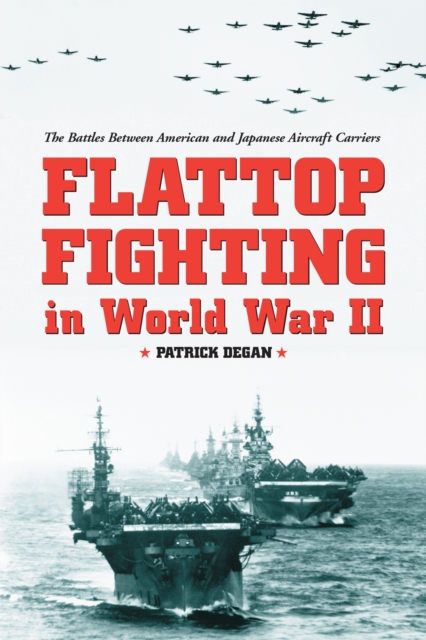
World War II's naval battles between the United States and Japan have been the subject of many books, popular movies, and documentaries, but the very important story of the fighting between United States and Japanese aircraft carriers is often lost in broader discussions of the Pacific naval war.
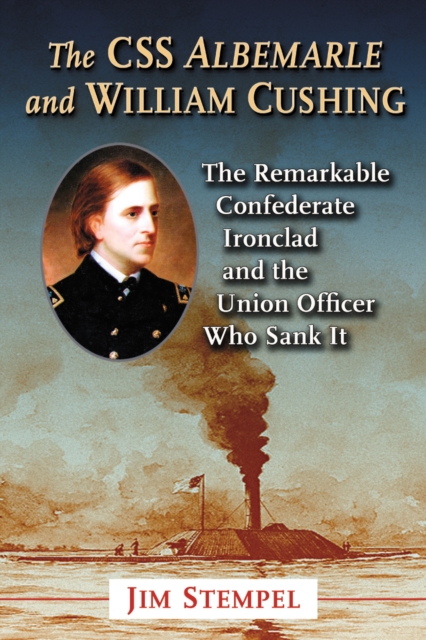
Fresh from success in sinking the Albermarle in the Civil War, the young Captain Cushing was assigned to command the gunboat USS Maumee in Hong Kong to aid the restoration of America's naval power in Asia.
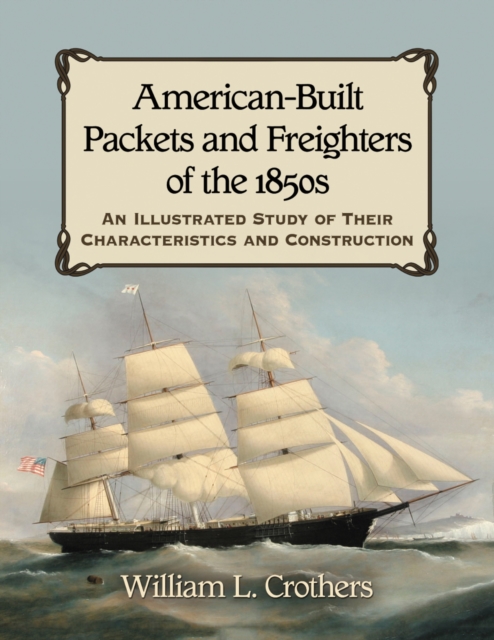
Up and down the Eastern seaboard during the 1850s, American shipyards constructed numerous large wooden merchant sailing vessels that formed the backbone of the commercial shipping industry.
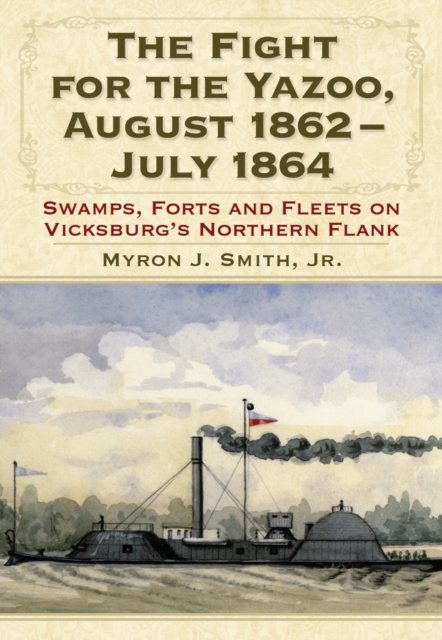
Following the loss of the CSS Arkansas in early August 1862, Union and Confederate eyes turned to the Yazoo River, which formed the developing northern flank for the South's fortress at Vicksburg, Mississippi.
The availability of inexpensive steel, so crucial to the United States' emergence as a leading industrial power in the late nineteenth century, relied upon the rise of an ore transport system on the Great Lakes that would feed American industry as a whole and come to alter the face of the region.
World War II's naval battles between the United States and Japan have been the subject of many books, popular movies, and documentaries, but the very important story of the fighting between United States and Japanese aircraft carriers is often lost in broader discussions of the Pacific naval war.
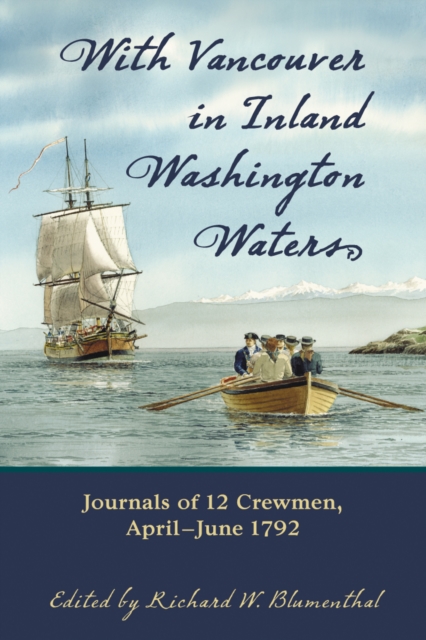
Picking up the narrative from his earlier volume, The Early Exploration of Inland Washington Waters: Journals and Logs from Six Expeditions, 1786-1792, Richard Blumenthal once again offers the reader a fascinating, firsthand look at the Northwest's earliest maritime history.
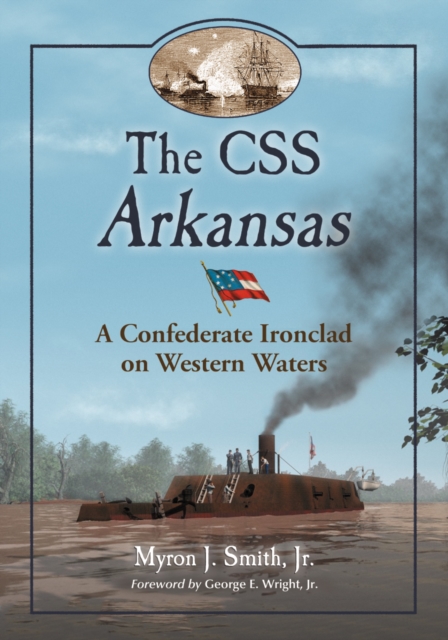
While the Monitor and Merrimack are the most famous of the Civil War ironclads, the Confederacy had another ship in its flotilla that carried high hopes and a metal hull.
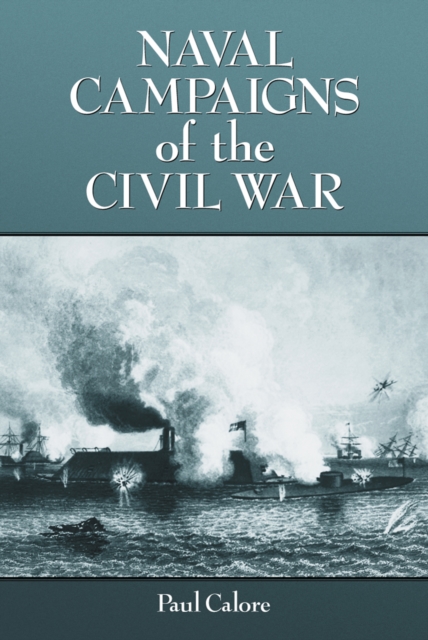
This analysis of naval engagements during the War Between the States presents the action from the efforts at Fort Sumter during the secession of South Carolina in 1860, through the battles in the Gulf of Mexico, on the Mississippi River, and along the eastern seaboard, to the final attack at Fort Fisher on the coast of North Carolina in January 1865.
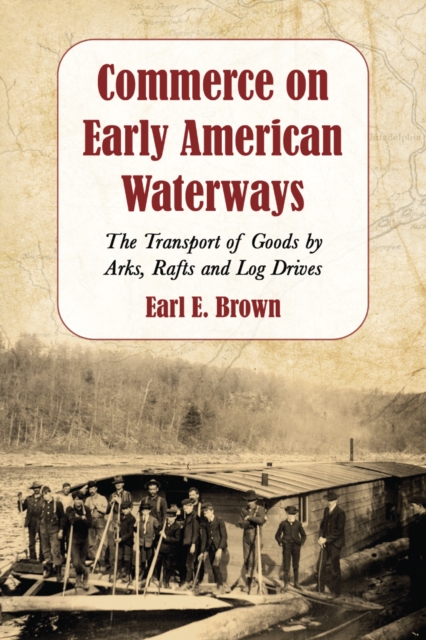
Colonial pioneers began entering the logging and forestry industries in great numbers along the Allegheny and Appalachian mountains during the late 1700s and were soon producing more products than they could use.
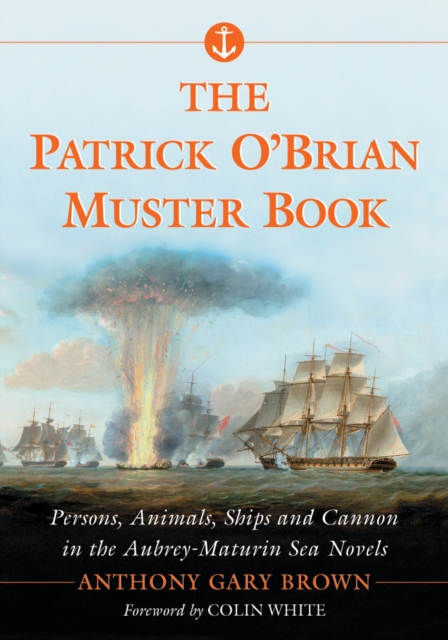
Now in its second edition, this expanded work catalogs every person, animal, ship and cannon mentioned by name in the 21 books of Patrick O'Brian's series on the maritime adventures of Jack Aubrey and Stephen Maturin.
This book provides summaries and analyses of more than 250 novels and nearly 30 films and examines the extent to which they accurately reflect the history, mores and manners of the period--and the extent to which they reveal the ideas and attitudes of their authors and of the periods in which they were written.
Between the last battle fought entirely under oars in 1571 and the first fought entirely under steam in 1866, naval warfare in the Middle Seas and adjacent Atlantic waters was dominated by the sailing warship.
Once the Union Army gained control of the upper rivers of the Mississippi Valley during the first half of 1862, slow and heavy ironclads proved ineffective in patrolling the waters.
The dramatic account of two American warships in the South Pacific, this book follows the USS Astoria (CA-34) and USS Chicago (CA-29) during the late summer of 1942, when both participated in the early days of the critical battle for Guadalcanal.
A follow-up to the editor's two previous collections of primary documents of maritime history in the Pacific Northwest, this book reproduces the journals and narratives of Charles Wilkes, an experienced nautical surveyor who led the U.
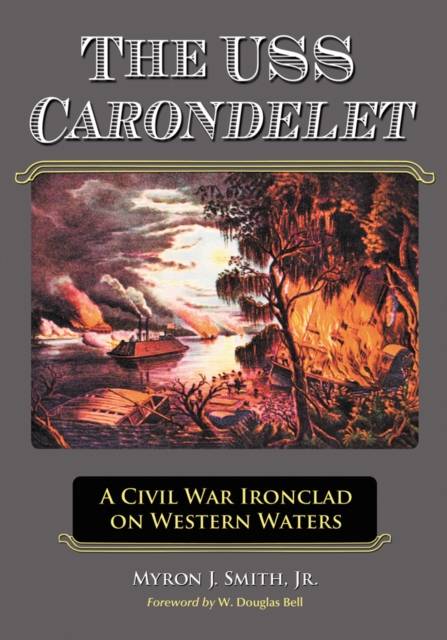
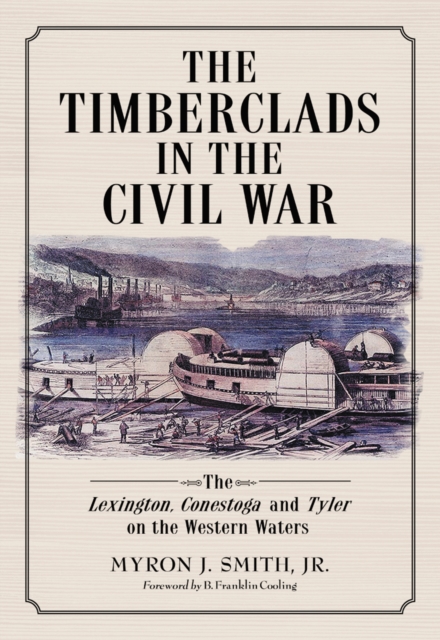
In the most detailed history ever of Union warships on the western waters of the Civil War, the author recounts the exploits of the timberclad ships Lexington, Tyler, and Conestoga.
The specialized language of seafarers is a complex mixture of the strange and the familiar, incorporating words from a variety of English dialects and foreign languages, and peppered with coined phrases and slang words.
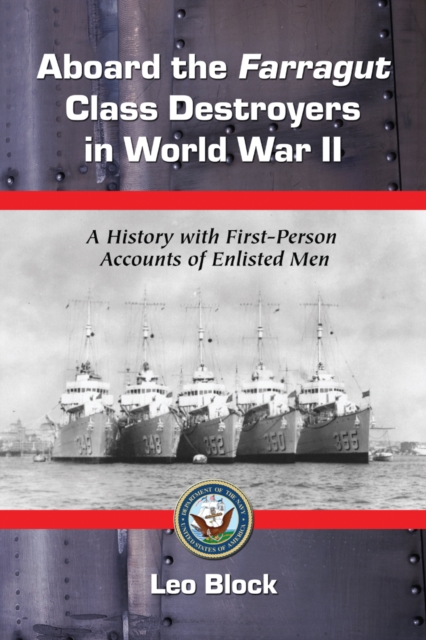
This book describes the life of the enlisted men aboard a Farragut class destroyer during the pre-World War II years; the war preparation period in 1941; and the wartime years.
In 2014 media around the world buzzed with news that an archaeological team from Parks Canada had located and identified the wreck of HMS Erebus, the flagship of Sir John Franklin's lost expedition to find the Northwest Passage.
In 2014 media around the world buzzed with news that an archaeological team from Parks Canada had located and identified the wreck of HMS Erebus, the flagship of Sir John Franklin's lost expedition to find the Northwest Passage.
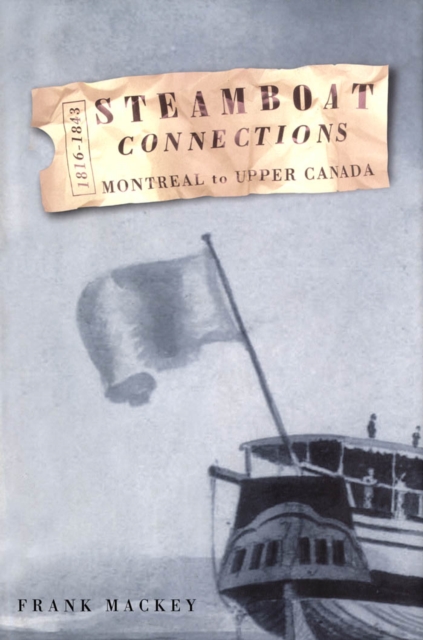
Mackey introduces the entrepreneurs who forged this important link between Montreal and the nation's interior and chronicles the course of their industry, correcting previous misinterpretations.
SHORTLISTED FOR THE CWA NEW BLOOD DAGGER ***Don't miss the utterly gripping new thriller from Egan Hughes - LEAVE THE LIGHTS ON is out now*** 'This one really pulled me in' JANE CORRY 'Tense, thrilling and full of twists and turns' ANGELA MARSONS 'A summer must-read' WOMAN'S WEEKLY 'A masterclass in storytelling' THE COURIER 'Addictive, I was gripped from the opening chapter' JO SPAIN 'Plunges the reader in and leaves them gasping for air' RACHEL EDWARDS 'Utterly addictive' CRIME MONTHLY 'Gripping' HELLO __________________You love him.
Since the end of the nineteenth century there has been a stunning succession of transatlantic liners, from the White Star Line's Oceanic of 1899 to the Cunard Line's Queen Mary 2 of 2004.
The first tugs were built at the beginning of the nineteenth century as a result of the development of enclosed docks and the increase in size and power of sea-going vessels.