This fascinating collection of entertaining stories from the seven seas reveals unusual and bizarre sailing trips, vessels and characters, and recounts perilous journeys in freak weather and other legendary tales.
In Frederick Ferdinand Moore's 'The Devil's Admiral (A Sea Adventure Classic)', readers are taken on a thrilling journey through the high seas filled with action, suspense, and drama.
James Fenimore Cooper's 'TALES OF THE SEA' is a collection of 12 gripping maritime adventure novels, each filled with vivid descriptions of life at sea and thrilling nautical escapades.
The stretch of water between the Isle of Wight and the ports of Southampton and Portsmouth has been one of the busiest shipping areas around the British Isles since antiquity.
Excerpt: "e;I am by no means unaware that between the sailing ship and the steamship there is a wide difference, as well in character as in their respective development.
Excerpt: "e;The definite object proposed in this work is an examination of the general history of Europe and America with particular reference to the effect of sea power upon the course of that history.
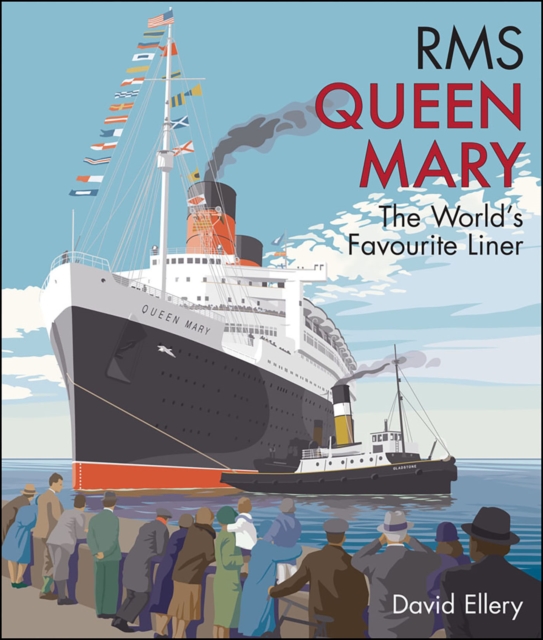
Probably the most famous, and certainly one of the best-loved ships in the world, the Cunard transatlantic liner RMS Queen Mary has now been preserved at Long Beach, California as a floating hotel and tourist attraction for more than fifty years, comfortably longer than her 31-year career as an ocean liner.
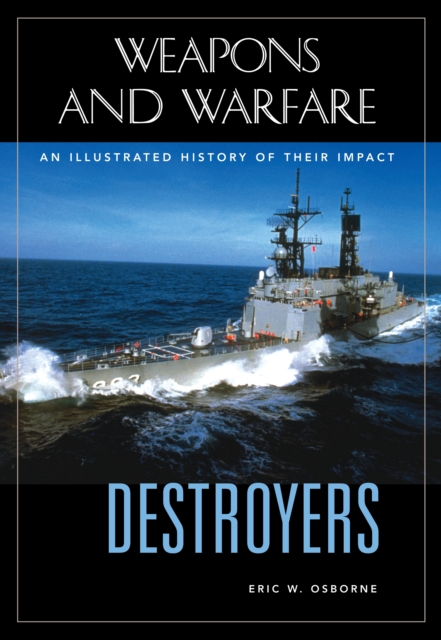
From ancient times to World War II and the postwar period, Battleships charts the evolution of the vessel that ruled the seas-a vessel that, until the arrival of the aircraft carrier, would be the most expensive and complex human-made moving object in history.
Fast cruisers, the eyes of the fleet, were the standard-bearers of empire, the ultimate warships of gunboat diplomacy-no other vessel class was so well equipped to serve as both a working war machine and a projection of national might.
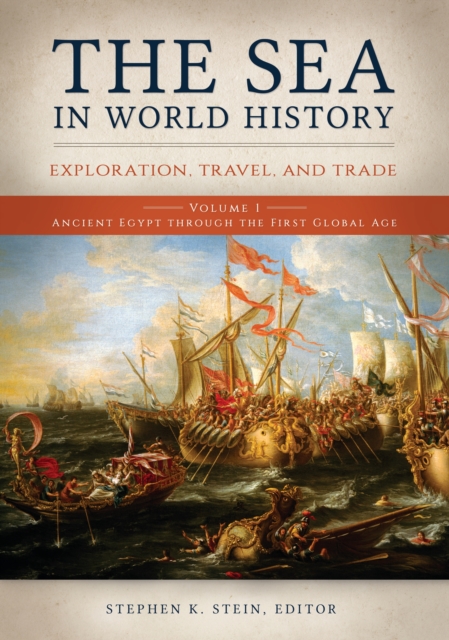
This two-volume set documents the essential role of the sea and maritime activity across history, from travel and food production to commerce and conquest.
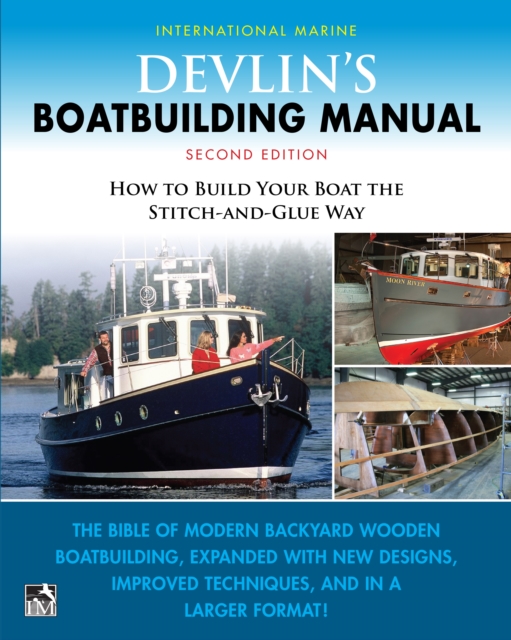
The quick and cost-effective way to build the boat of your dreamsFor nearly 30 years, Devlin s Boatbuilding Manual has been walking backyard boat builders like you through the process of creating a beautiful, seaworthy vessel with your own hands.
The quick and cost-effective way to build the boat of your dreamsFor nearly 30 years, Devlin s Boatbuilding Manual has been walking backyard boat builders like you through the process of creating a beautiful, seaworthy vessel with your own hands.
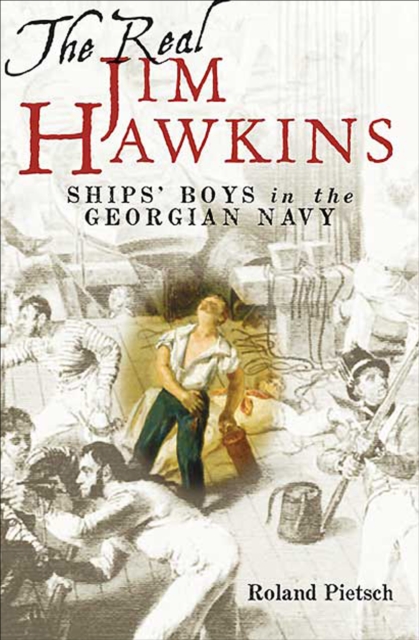
Generations of readers have enjoyed the adventures of Jim Hawkins, the young protagonist and narrator in Robert Louis Stevensons Treasure Island, but little is known of the real Jim Hawkins and the thousands of poor boys who went to sea in the eighteenth century to man the ships of the Royal Navy.
Der vorliegende Almanach der Elektroboote dürfte die derzeit umfangreichste Datensammlung und Auflistung von Herstellern von Elektrobooten und den verfügbaren Typen sein.
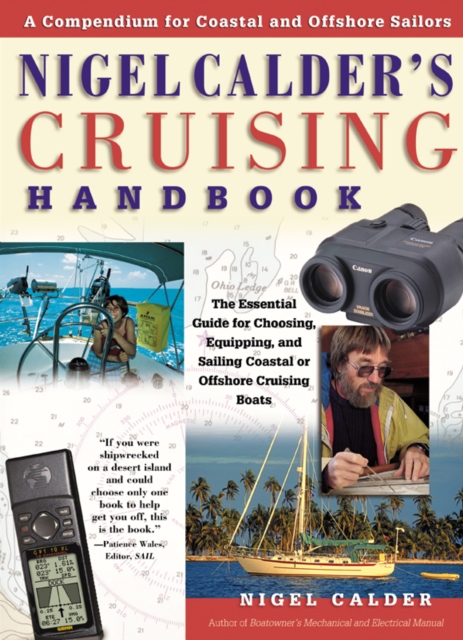
The most comprehensive and helpful guide ever written for selecting and equipping a cruising sailboatWhether you're a coastal or offshore cruiser, you'll find your most pressing concerns treated with the know-how that makes for skillful, confident cruising in Nigel Calder's Cruising Handbook.
From the East Coast to the West Coast, the Great Lakes to the Gulf of Mexico and Hawaiian Islands, this handsome book helps explain the lure of lighthouses in the United States.
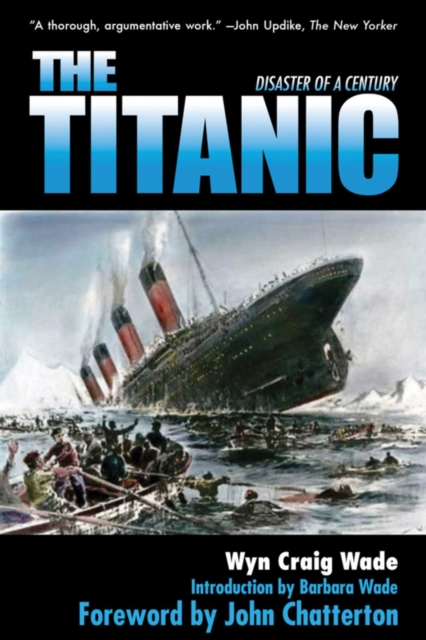
In this centennial edition of the definitive book on the Titanic, new findings, photos, and interviews shed light on the worlds most famous marine disaster for the 100th anniversary of the Titanics sinking.