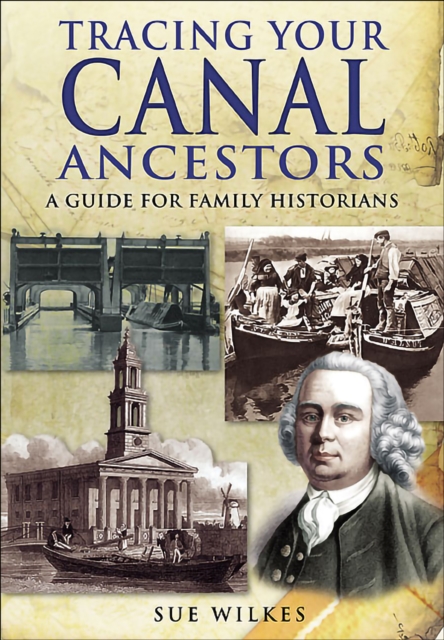
This entertaining and informative book will be of practical benefit to all who discover the historic Union Canal and the Forth & Clyde Canal, whether walking, cycling, boating or visiting the Falkirk Wheel or the Kelpies.
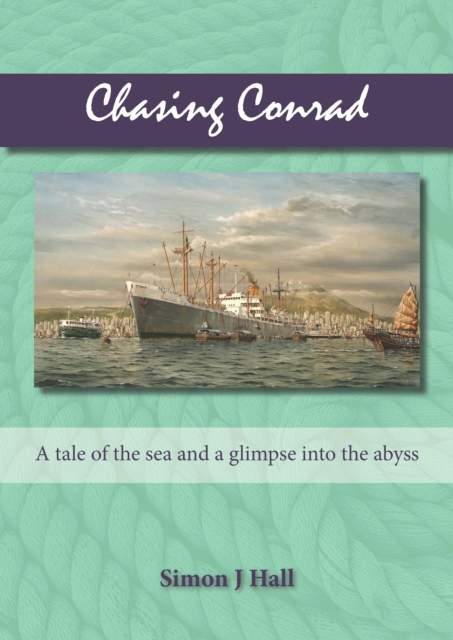
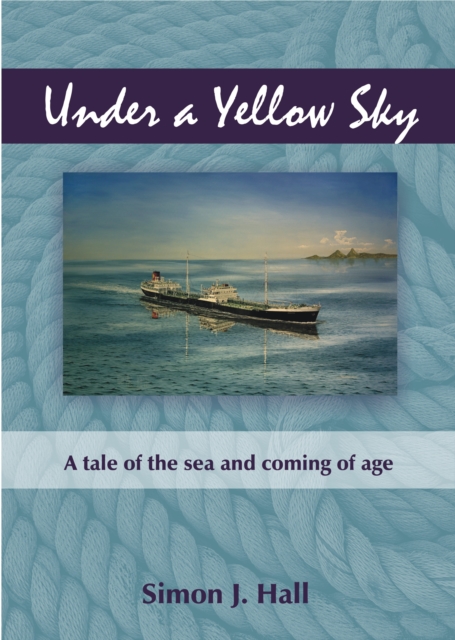
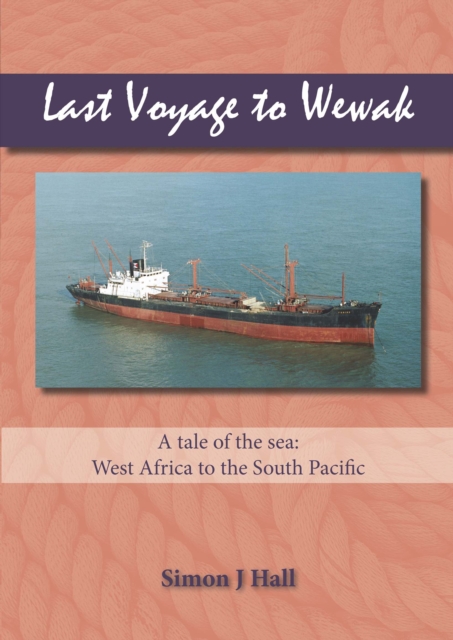
Simon Hall's second book is set in the mid-1970s during the closing years of the golden age of British shipping, when cargo carriage at sea saw radical change and the romance of being at sea in old-style cargo ships came to an end.
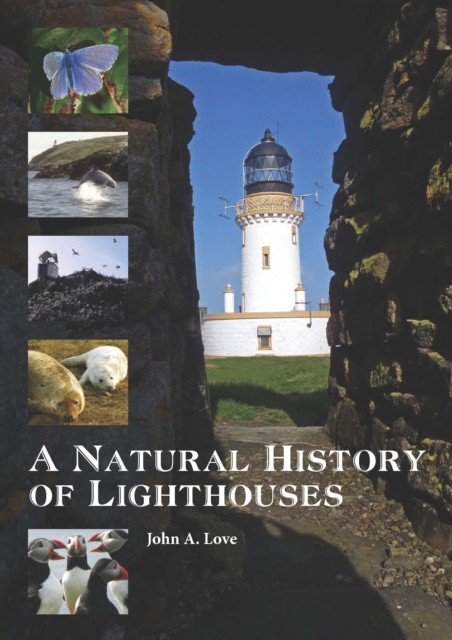
This is the story of lightkeepers' contributions to the natural history of lighthouses in conjunction with the history and maintenance of the manned navigation beacons - their primary function of course - 'for the safety of all'.
Perched on an isolated rock in the Scottish Hebrides, this is a fascinating account of Skerryvore, 'the most graceful lighthouse in the world', and the great Victorian engineer who designed and built it.
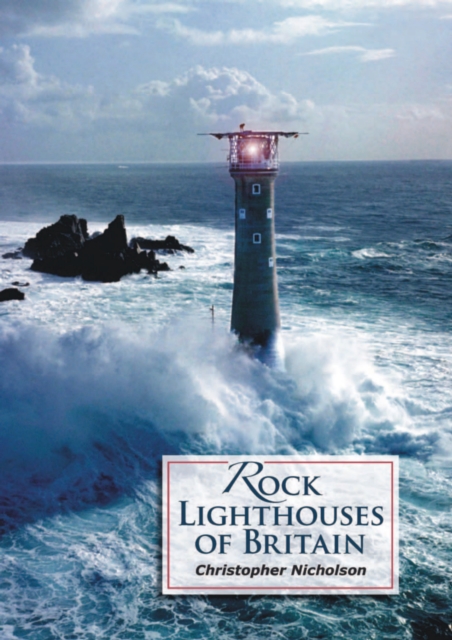
Christopher Nicholson vividly describes the construction and history to the present day of some of the world's most famous lighthouses in this classic book which has become the standard work on the subject.
Simon Hall went to sea in search of a way of life that he believed was glamorous, adventurous and disciplined, a life where smartly-uniformed men ran ships in a tightly organised manner.
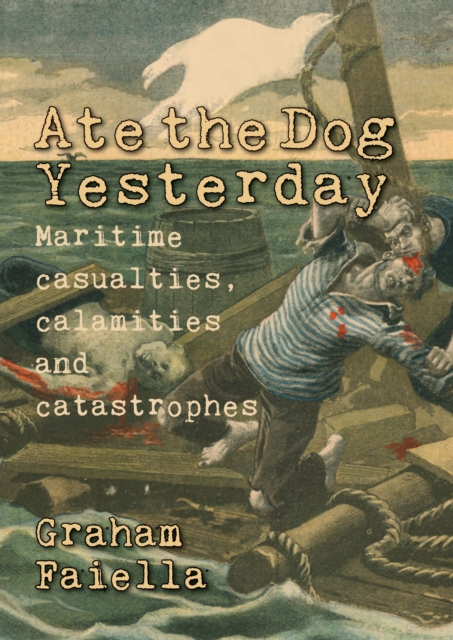
The constant dangers that deep-sea sailing ships and sailors of the late 19th century and early 20th centuries faced were numerous and this book recounts the true-life dramas of their perils and misfortunes - the battles that they waged, and all too often lost - against the hazards of the sea.
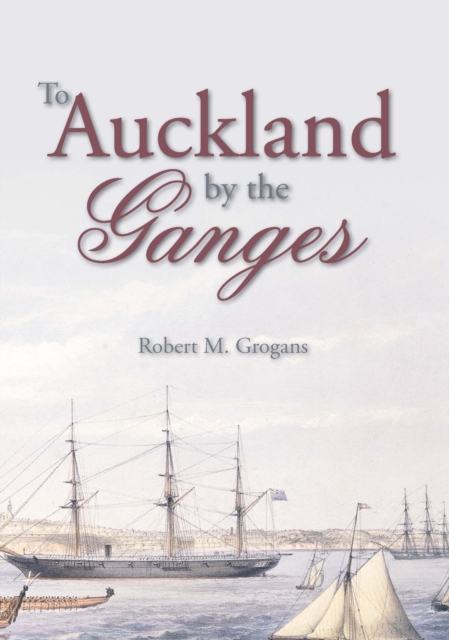
In 1863 there was only one method of travelling from Britain to the other side of the world by sailing ship, on a journey that could take up to four months, and when the vagaries of wind and weather could put travellers in peril during long voyages.
To celebrate 60 years of sailing Scottish waters, the author single-handedly sailed Halcyon, a 32ft wooden yawl, from Fairlie on the Clyde, round the Mull of Kintyre by way of numerous inner islands to Barra in the Outer Hebrides and to the Atlantic side of the islands, not often visited by cruising yachts.
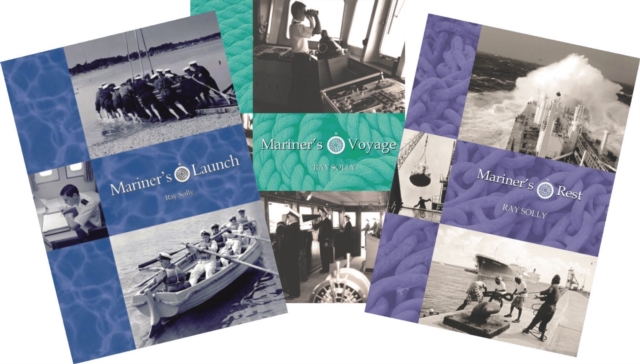
In the Ray Solly trilogy, Mariner's Launch, Mariner's Voyage and Mariner's Rest, the author brings alive a lifestyle which epitomised excitement and adventure during the 'golden age' of international shipping.
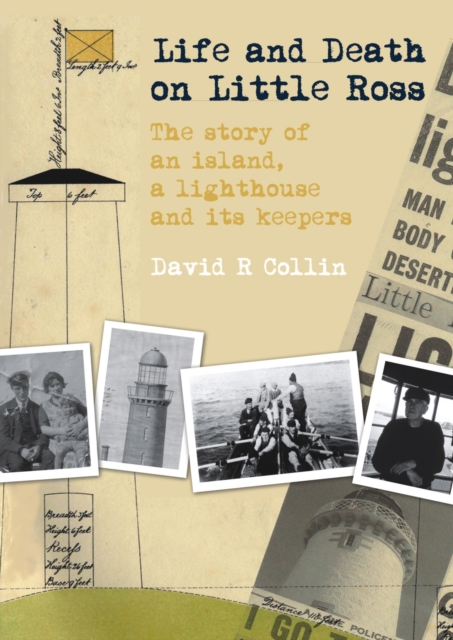
A tale of 117 years of devotion to duty, peacefulness and calm, disrupted forever by a day of inexplicable violence, a community's battle to have a lighthouse built.
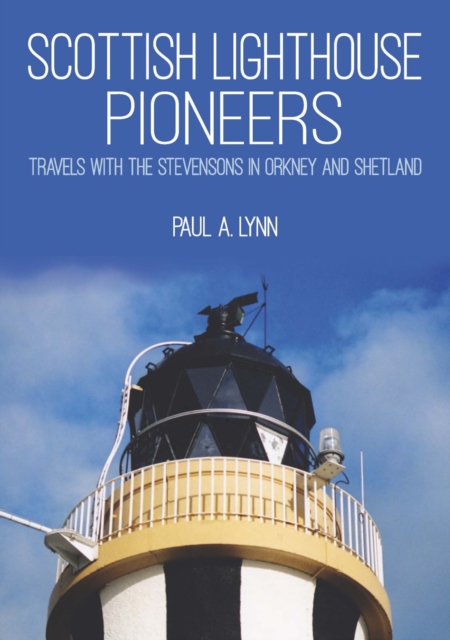
In the 19th century, the Stevenson engineers pioneered marvellous lighthouses around the coasts of Scotland - lighthouses which inspire with their architectural elegance, and speak of compassion for sailors and fishermen risking their lives in these notoriously dangerous waters.
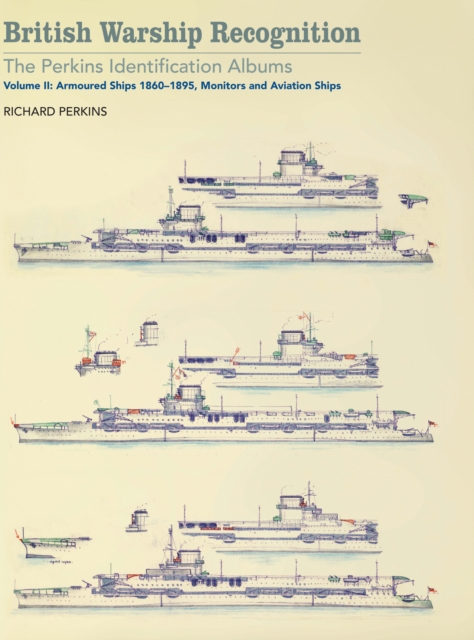
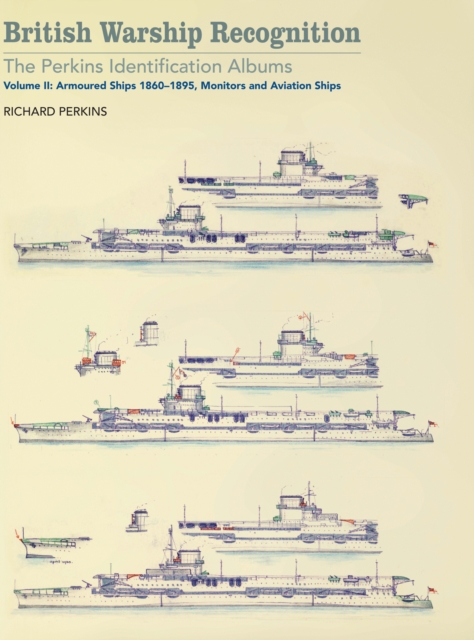
The Richard Perkins warship identification albums form one of the most detailed studies ever undertaken of the changes to the appearance of Royal Navy ships.
The Richard Perkins warship identification albums form one of the most detailed studies ever undertaken of the changes to the appearance of Royal Navy ships.
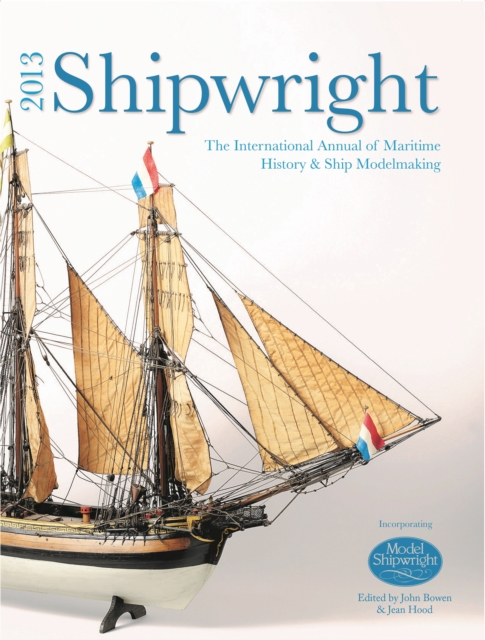
The fourth edition of the acclaimed full-colour annual focusing on all facets of 'scratch-built' model shipbuilding, as well as related articles on restoration, archaeology, historical research and marine art.
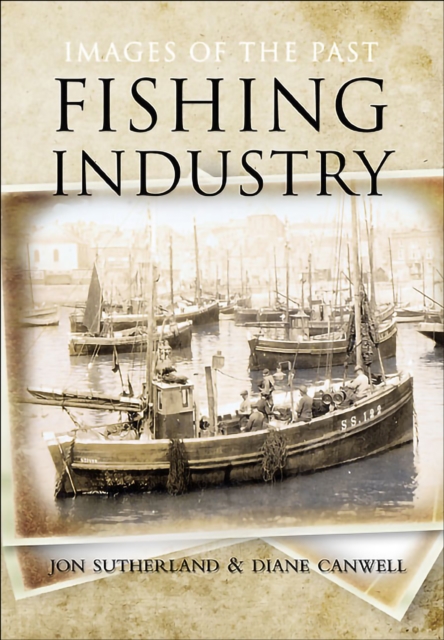
Working with prestigious archives of contemporary photographs, the authors chart the history of Britain's fishing heritage with 120 rarely seen photographs.
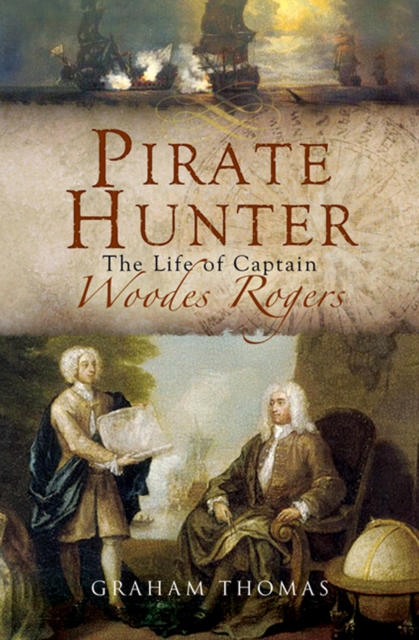
On 2 August 1708 Captain Woodes Rogers set sail from Bristol with two ships, the Duke and Duchess, on an epic voyage of circumnavigation that was to make him famous.
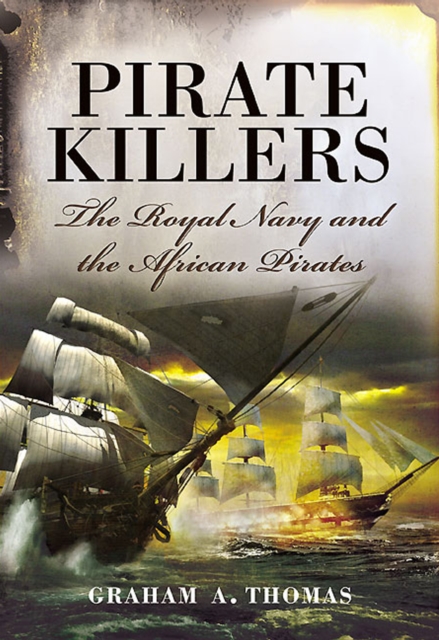
One hundred and fifty years ago the Royal Navy fought a daring campaign against ruthless pirates and won, killing The King of the Pirates, Bartholomew Roberts off the coast of Africa and capturing his fleet.
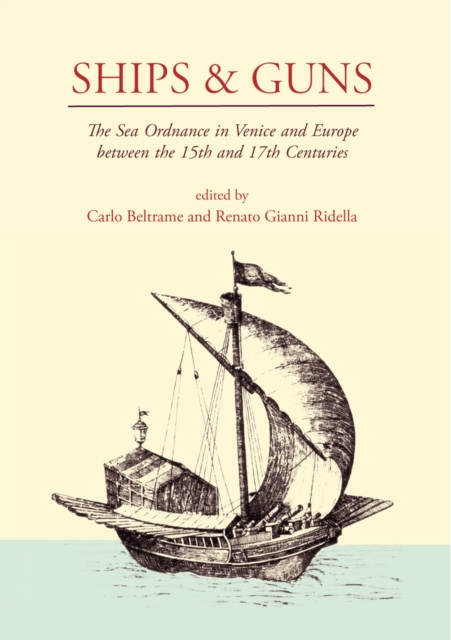
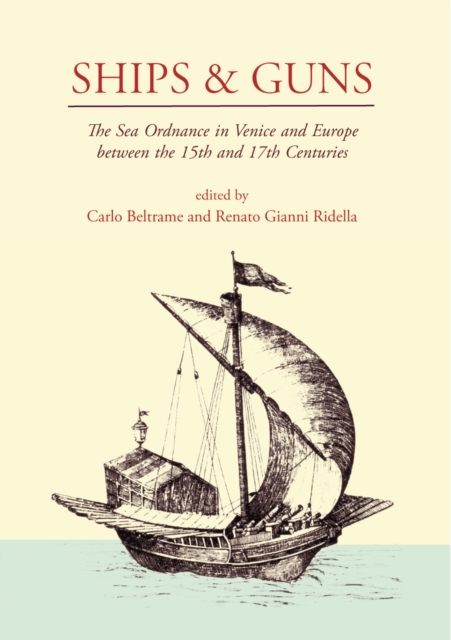
Ships and Guns brings together experts from the field of historic artillery and underwater archaeologists to present a series of papers which focus on the development of naval ordnance in Europe and, especially, Venice, in the 15th17th centuries, as exemplified by the maritime archaeological resource.
Ships and Guns brings together experts from the field of historic artillery and underwater archaeologists to present a series of papers which focus on the development of naval ordnance in Europe and, especially, Venice, in the 15th17th centuries, as exemplified by the maritime archaeological resource.
The aim of the Watching series is to draw attention to some of the very interesting items around us, things that perhaps we don't notice as much as we might.
A guide to places to visit, history and wildlife along the Liverpool, Wirral and Cheshire shores of the Mersey EstuaryStretching for around thirty miles to the coast, the Mersey Estuary is perhaps best known for Liverpool s spectacular waterfront and the Mersey Ferry.
The start of a gripping, page-turning, cosy historical murder mystery from Kelly Oliver'A fun, mix of whodunnit and thriller set amid American high society' T.
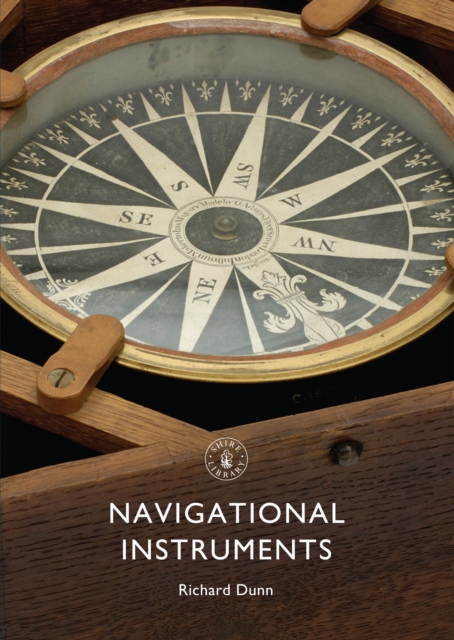
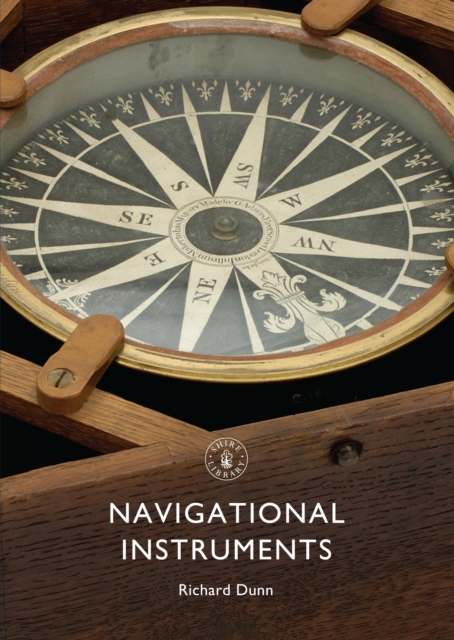
With over two-thirds of the globe covered by water, the ability to navigate safely and quickly across the oceans has been crucial throughout human history.
With over two-thirds of the globe covered by water, the ability to navigate safely and quickly across the oceans has been crucial throughout human history.
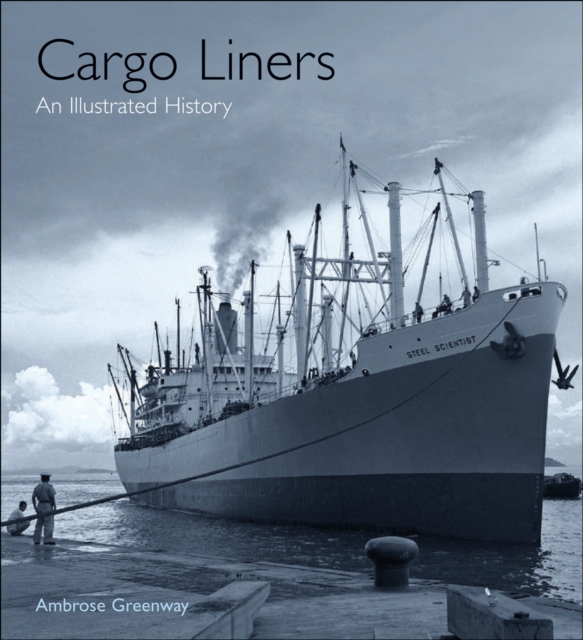
The British maritime historian explores the golden age of cargo liners and the routes they took around the world in this beautifully illustrated volume.
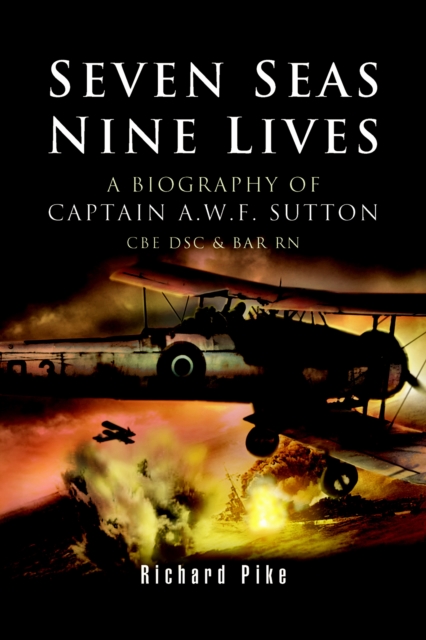
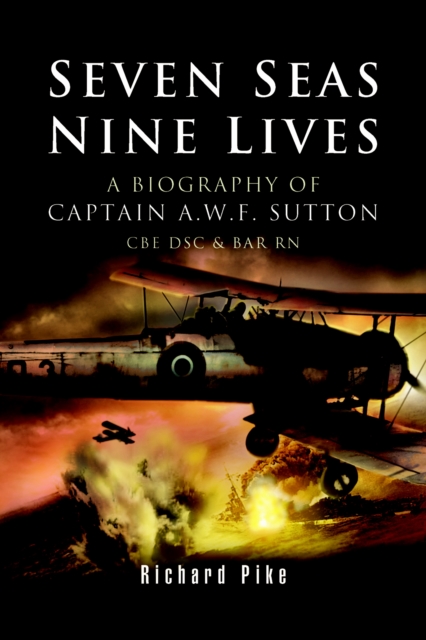
Captain Alan William Frank Sutton's enthralling biography starts when, as a young midshipman he was in command of a small rowing cutter returning a potentially mutinous crew to the battle-cruiser HMS Repulse in which he served.
Captain Alan William Frank Sutton's enthralling biography starts when, as a young midshipman he was in command of a small rowing cutter returning a potentially mutinous crew to the battle-cruiser HMS Repulse in which he served.