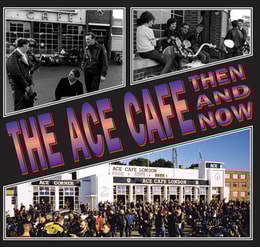
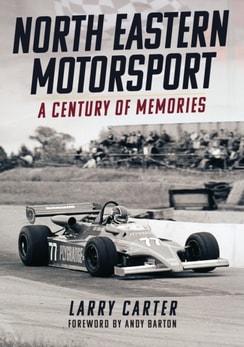
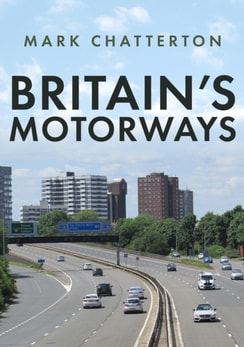
The book opens with the first beginnings of bike racing in the London area - at High Beech - in 1928 and continues with the pre-war history of the North Circular as one of Britain's new 'arterial' roads, and?
The book opens with the first beginnings of bike racing in the London area - at High Beech - in 1928 and continues with the pre-war history of the North Circular as one of Britain's new 'arterial' roads, and?
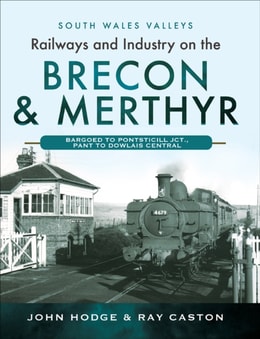
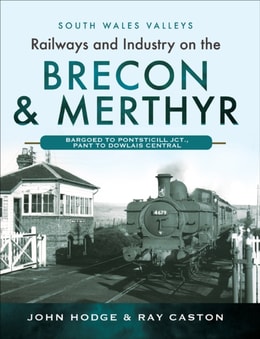
This book on the Brecon & Merthyr, deals with the section from Bargoed to Pontsticill Junction, covering the line built by the B&M to join onto the section running north from Bargoed built by the Rhymney Railway, much dominated at the time by nearby Dowlais Ironworks.
This book on the Brecon & Merthyr, deals with the section from Bargoed to Pontsticill Junction, covering the line built by the B&M to join onto the section running north from Bargoed built by the Rhymney Railway, much dominated at the time by nearby Dowlais Ironworks.
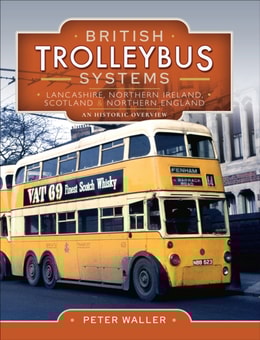
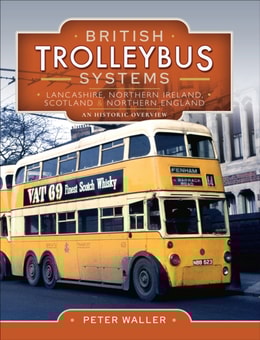
Although there had been experiments with the use of a new form of transport - the 'trackless tram' (better known as the trolleybus) - during the first decade of the 20th century, it was in June 1911 that Bradford and Leeds became the country's pioneering operators of trolleybuses.
Although there had been experiments with the use of a new form of transport - the 'trackless tram' (better known as the trolleybus) - during the first decade of the 20th century, it was in June 1911 that Bradford and Leeds became the country's pioneering operators of trolleybuses.
"e;This profusely illustrated and thoroughly researched book conveys a wealth of information"e; about the USAF's B-1 bomber (Aviation History Magazine).
"e;This profusely illustrated and thoroughly researched book conveys a wealth of information"e; about the USAF's B-1 bomber (Aviation History Magazine).
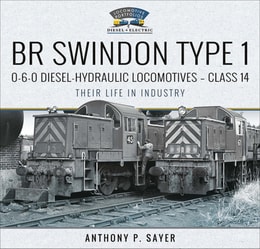
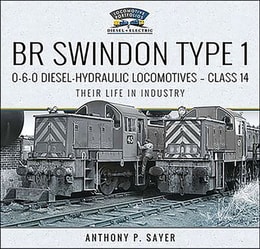
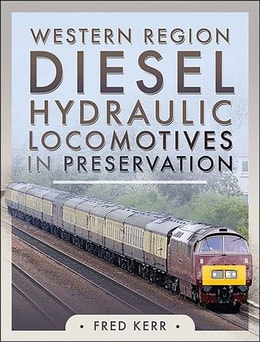
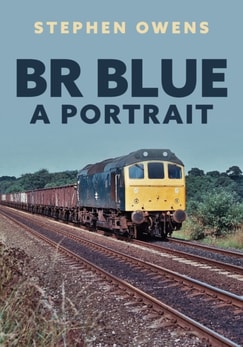
When British Railways initiated its Modernisation Plan in 1955, its Western Region elected to trial locomotive designs with hydraulic transmission whilst BR encouraged designs with electric transmission.
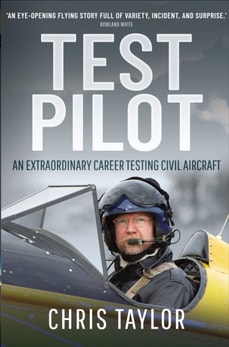
From a former commercial airline pilot and British Airways captain, a memoir about life in the cockpit, offering insider information about flight safety.
From a former commercial airline pilot and British Airways captain, a memoir about life in the cockpit, offering insider information about flight safety.
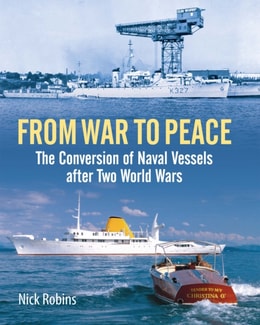
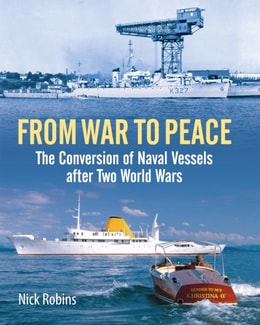
From War to Peace tells the story of the adaptation from White Ensign to Red Ensign, and to flags of other nations, of the numerous classes of naval ships mainly built during the two world wars and surplus to requirements with the advent of peace.
From War to Peace tells the story of the adaptation from White Ensign to Red Ensign, and to flags of other nations, of the numerous classes of naval ships mainly built during the two world wars and surplus to requirements with the advent of peace.
When British Railways initiated its Modernisation Plan in 1955, its Western Region elected to trial locomotive designs with hydraulic transmission whilst BR encouraged designs with electric transmission.
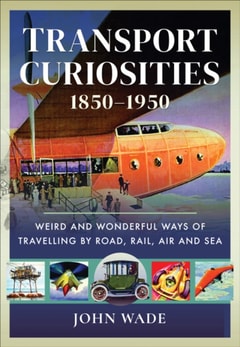
Over the years many weird and wonderful types of transport have come and gone, some of which succeeded against all odds, others that spectacularly failed, and some that never got beyond a designer's drawing board.
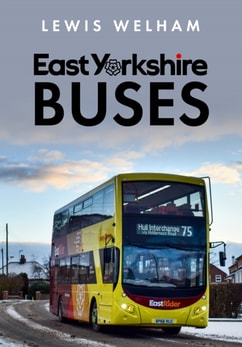
The history of East Yorkshire is well documented, going back to 1919 when Ernest John Lee purchased a fourteen-seat Ford Model T bus for a service between Elloughton and Hull.
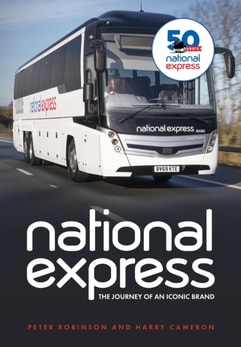
First appearing in 1972, National Express coaches have become a familiar site on the UK's roads, and are very much a part of popular culture, celebrated in songs and on television.
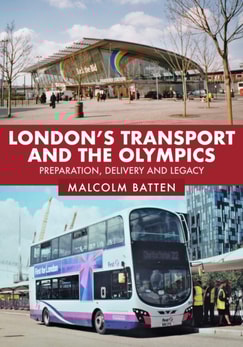
When London first applied as a contender to stage the 2012 Olympic Games, there was cynical speculation as to whether the transport infrastructure could cope should it win.
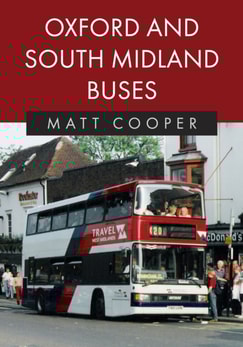
Heralded as one of the best examples in the bus and coach industry of deregulation working in almost textbook fashion, Oxford has enjoyed an excellent and dynamic transport system.
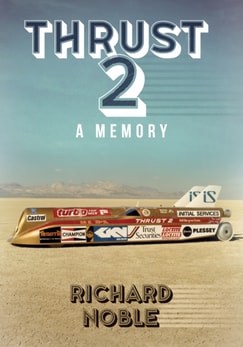
Inspired by the sight of RAF Lightning fighter interceptors climbing vertically into the sky at 50,000 feet per minute and by other British engineering and design achievements, Richard Noble, determined to put Britain back in the lead during the resurgence of national confidence of the 1980s, wanted Britain to regain the world land speed record.