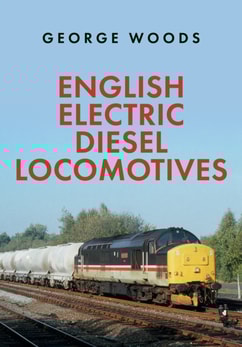
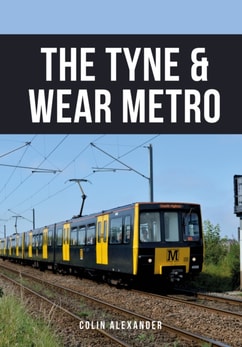
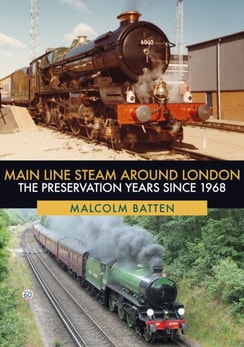
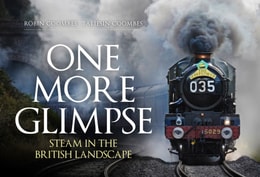
The Great Western Railway was always a little different to the rest of the railways, and that was still the position when in 1955 British Railways announced their Modernisation Plan that would see steam replaced by diesels and electrics.
English Electric built their first diesel loco in 1936 and, before the company closed in 1968, built thousands of diesel and electric locos that saw service all over the world.
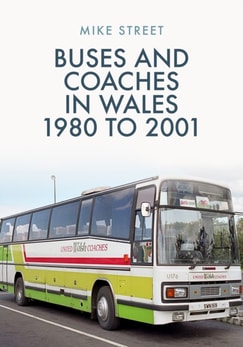
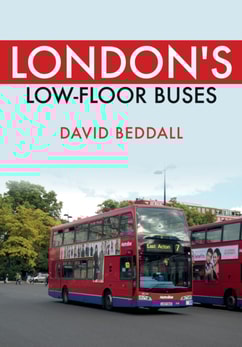
The low-floor bus was first introduced to the streets of London in 1994 with a fleet of sixty single-decks entering services with London Buses Limited, passing quickly to the new privatised operators.
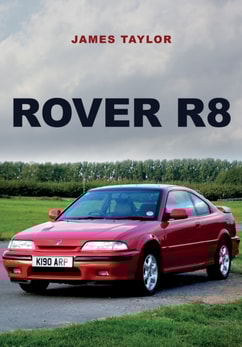
The MG Z cars were produced at a pivotal time when the MG Rover Group separated from their previous owners BMW and stood alone in the highly competitive mass car market.
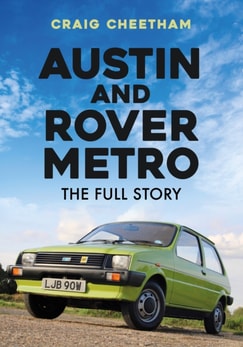
Launched in 1980 as the Austin Mini-Metro, the Metro was a critically important car for British Leyland and was hailed as the car that saved the company.
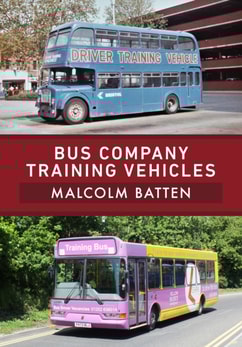
Bus garages, or depots if that is your preferred nomenclature, come in all shapes and sizes and have their origins in the tram depots that were established by the various tramway companies of the pre-electrification era.
The practice of packing a bag is a situation where subtle, daily processes can attune us to the relationships and experiences formed in mobile situations.
The practice of packing a bag is a situation where subtle, daily processes can attune us to the relationships and experiences formed in mobile situations.
Tourism, Tourists and Society provides a broad introduction to the inter-relationship between tourism and society, making complex sociological concepts and themes accessible to readers from a non-sociological academic background.
Tourism, Tourists and Society provides a broad introduction to the inter-relationship between tourism and society, making complex sociological concepts and themes accessible to readers from a non-sociological academic background.
While experiential staging is well documented in tourism studies, not enough has been written about the diverse types of experiences and expectations that visitors bring to the tourist space and how communities respond to, or indeed challenge, these expectations.
While experiential staging is well documented in tourism studies, not enough has been written about the diverse types of experiences and expectations that visitors bring to the tourist space and how communities respond to, or indeed challenge, these expectations.
Mit Papas Benz bis nach Marokko: Helge Timmerberg träumt von der großen Reise über Land, seit ihm sein Vater vor zehn Jahren seinen Wagen vermacht hat, verbunden mit den letzten Worten »Bon Voyage«.
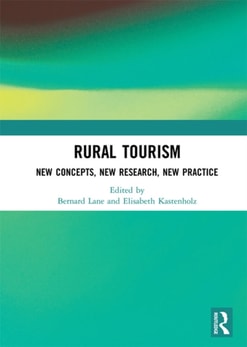
This book describes, analyses, celebrates and interrogates the rise of rural tourism in the developed world over the last thirty years, while explaining its need to enter a new, second generation of development if it is to remain sustainable in all senses of that word.
This book describes, analyses, celebrates and interrogates the rise of rural tourism in the developed world over the last thirty years, while explaining its need to enter a new, second generation of development if it is to remain sustainable in all senses of that word.
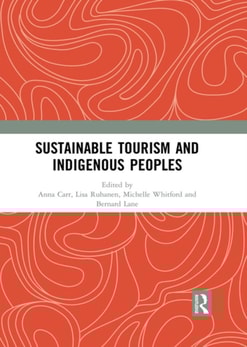
This book provides a comprehensive, detailed and insight rich review of both the positive (capacity building, cultural conservation and economic opportunities) and negative (commodification, cultural change and possible loss of ownership and control) aspects of tourism development in indigenous communities.
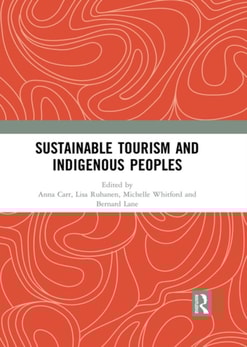
This book provides a comprehensive, detailed and insight rich review of both the positive (capacity building, cultural conservation and economic opportunities) and negative (commodification, cultural change and possible loss of ownership and control) aspects of tourism development in indigenous communities.
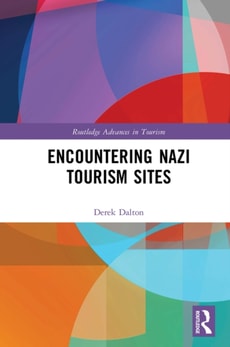
Encountering Nazi Tourism Sites explores how the terrible legacy of Nazi criminality is experienced by tourists, bridging the gap between cultural criminology and tourism studies to make a significant contribution to our understanding of how Nazi criminality is evoked and invoked in the landscape of modern Germany.
Encountering Nazi Tourism Sites explores how the terrible legacy of Nazi criminality is experienced by tourists, bridging the gap between cultural criminology and tourism studies to make a significant contribution to our understanding of how Nazi criminality is evoked and invoked in the landscape of modern Germany.
Theming Asia: Culture, Nature and Heritage in a Transforming Environment presents a theoretical, thematic and empirical examination of theming, theme parks and themed spaces in contemporary Asia.
Theming Asia: Culture, Nature and Heritage in a Transforming Environment presents a theoretical, thematic and empirical examination of theming, theme parks and themed spaces in contemporary Asia.
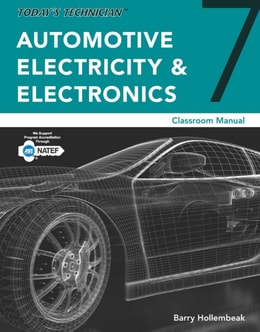
Whether you're an aspiring automotive professional, preparing for ASE certification, or already working in the field, TODAY'S TECHNICIAN: AUTOMOTIVE ELECTRICITY & ELECTRONICS, Seventh Edition, will equip you to confidently understand, diagnose, and repair electrical and electronic systems in today's automobiles.
Delivering complete coverage of ASE Education Foundation's Maintenance & Light Repair (MLR) program standards, this accessible, practical resource features material spanning the entire MLR task list, as well as many supplemental tasks entry-level technicians need to master.