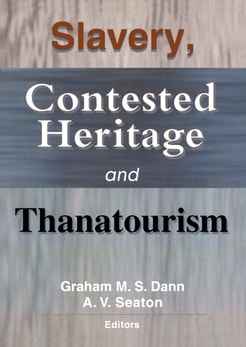
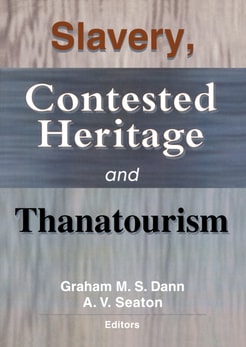
Dark Tourism, including visitation to places such as murder sites, battlefields and cemeteries is a growing phenomenon, as well as an emergent area of scholarly interest.
Dark Tourism, including visitation to places such as murder sites, battlefields and cemeteries is a growing phenomenon, as well as an emergent area of scholarly interest.
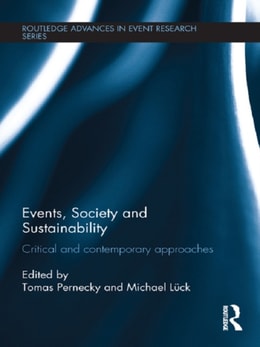
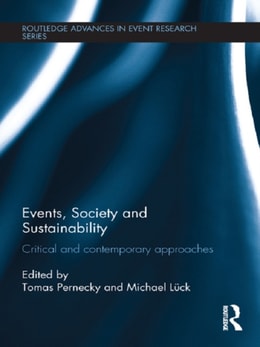
The growth of the events industry brings with it concerns of sustainable management, the sharing of available resources, and ensuring that people and places are not over-exploited.
The growth of the events industry brings with it concerns of sustainable management, the sharing of available resources, and ensuring that people and places are not over-exploited.
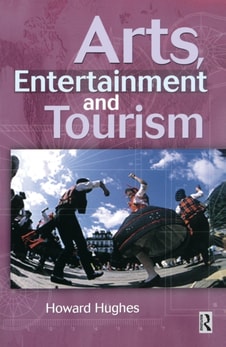
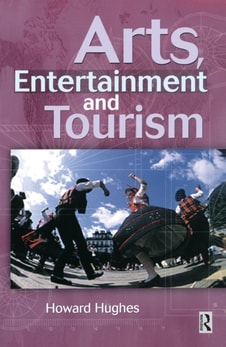
'Arts, Entertainment and Tourism' is a pioneering text that, by focusing on the consumer, investigates the relationship between these 3 industries and how this relationship can be developed to its best competitive advantage.
'Arts, Entertainment and Tourism' is a pioneering text that, by focusing on the consumer, investigates the relationship between these 3 industries and how this relationship can be developed to its best competitive advantage.
Tourism in Asia is growing faster than anywhere else in the world, driven by the increasing wealth of countries like Taiwan, South Korea and Malaysia, and by the huge populations of China, India and Indonesia -the first second and fourth biggest countries in the works.
Tourism in Asia is growing faster than anywhere else in the world, driven by the increasing wealth of countries like Taiwan, South Korea and Malaysia, and by the huge populations of China, India and Indonesia -the first second and fourth biggest countries in the works.
Through a series of case studies that involve past conflict in China, the United States, The South Pacific and Europe, the nature of battlefield sites as tourist locations are explored.
Through a series of case studies that involve past conflict in China, the United States, The South Pacific and Europe, the nature of battlefield sites as tourist locations are explored.
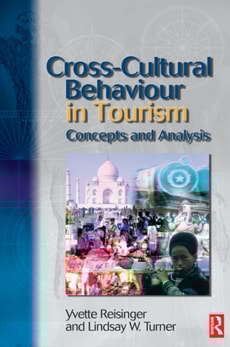
Cross-Cultural Behaviour in Tourism: Concepts and Analysis is important reading for those in the following areas of industry: * Tourism: illustrates the importance of cultural background in the tourist experience and how it is a major determinant in repeat visitation * Marketing: provides an understanding of the cultural background of a destination that is vital when formulating successful marketing strategies * Management: provides valuable examples on how cultures influence tourist behaviour and decision-making, helping managers to develop cross-cultural skills and deal with tourists from diverse cultural backgrounds Tourism is a service industry where people from different nationalities meet.
Cross-Cultural Behaviour in Tourism: Concepts and Analysis is important reading for those in the following areas of industry: * Tourism: illustrates the importance of cultural background in the tourist experience and how it is a major determinant in repeat visitation * Marketing: provides an understanding of the cultural background of a destination that is vital when formulating successful marketing strategies * Management: provides valuable examples on how cultures influence tourist behaviour and decision-making, helping managers to develop cross-cultural skills and deal with tourists from diverse cultural backgrounds Tourism is a service industry where people from different nationalities meet.
Now in its second edition, the successful 'Development and Management of Visitor Attractions' has been fully revised and updated to cover the latest issues in this ever-changing area of tourism.
Now in its second edition, the successful 'Development and Management of Visitor Attractions' has been fully revised and updated to cover the latest issues in this ever-changing area of tourism.
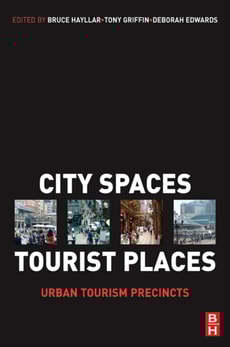
Over the last decade, commentaries and research on urban tourism precincts have predominantly focused on: their role in the tourism attractions mix; their physical and functional forms; their economic significance; their role as a catalyst for urban renewal; their evolution and associated development processes; and, perhaps more broadly, their role, locality and function within the context of urban planning.
Over the last decade, commentaries and research on urban tourism precincts have predominantly focused on: their role in the tourism attractions mix; their physical and functional forms; their economic significance; their role as a catalyst for urban renewal; their evolution and associated development processes; and, perhaps more broadly, their role, locality and function within the context of urban planning.
In a world characterized by an encroaching homogeneity induced by the growth of multi-national corporations and globalization, the causes of difference accrue new levels of importance.
In a world characterized by an encroaching homogeneity induced by the growth of multi-national corporations and globalization, the causes of difference accrue new levels of importance.
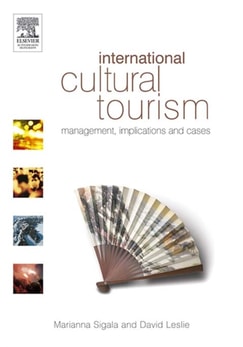
International Cultural Tourism: management, implications and cases provides a comprehensive exploration of the management, operations and marketing of cultural tourism attractions and resources in a global context.
International Cultural Tourism: management, implications and cases provides a comprehensive exploration of the management, operations and marketing of cultural tourism attractions and resources in a global context.
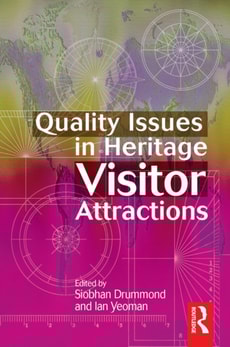
* Quality as a tool for success*Covers a diverse range of quality issues and theories in the context of heritage attractions* Well-respected international contributor team of academics and practitionersHeritage Tourism is the fastest growing component of the tourism market.
* Quality as a tool for success*Covers a diverse range of quality issues and theories in the context of heritage attractions* Well-respected international contributor team of academics and practitionersHeritage Tourism is the fastest growing component of the tourism market.
The theme of the edited book acknowledges the multiple meanings of quality tourism experiences, the diverse contexts in which tourism occurs, and the varied stakeholders associated directly or indirectly with the phenomenon of tourism.
The theme of the edited book acknowledges the multiple meanings of quality tourism experiences, the diverse contexts in which tourism occurs, and the varied stakeholders associated directly or indirectly with the phenomenon of tourism.
New approaches to tourism study demonstrate a notable 'critical turn' - a shift in thought that emphasises interpretative and critical modes of tourism inquiry.