The first book to cover in detail every major climb ever used in the Tour de France, including detail on the actual route (with maps and profile), length, height, list of winners and route descriptions of how to emulate the King of the Mountains and get from the bottom to the top.
Carl Fogarty, four-time Superbike World Champion and bestselling author, draws on 18 years of international motorcycle riding to give readers a comprehensive guide to bikes, and how to ride them, from competition to leisure biking.
A searching and at times harrowing re-appraisal of the life of Evel Knievel, the seventies American icon and the greatest daredevil motorcyclist that ever lived.
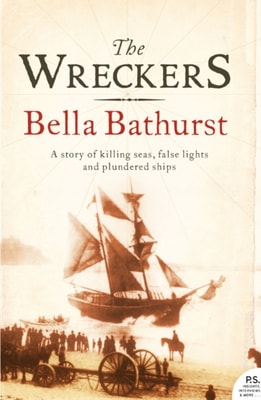
From the bestselling author of 'The Lighthouse Stevensons', a gripping history of the drama and danger of wrecking since the 18th-century - and the often grisly ingenuity of British wreckers, scavengers of the sea.
This volume takes a fresh lookprimarily from a technological perspectiveat the nation's "e;infrastructure"e;: a collection of diverse modes that function as a system supporting a wide range of economic and social activities.
Aggressive, effective safety inspection programs are key elements to ensuring that oil- and gas-producing platform operations on the outer continental shelf are conducted in a safe and environmentally sound manner.
In this provocative volume, distinguished authorities on urban policy expose the myths surrounding today's "e;infrastructure crisis"e; in urban public works.
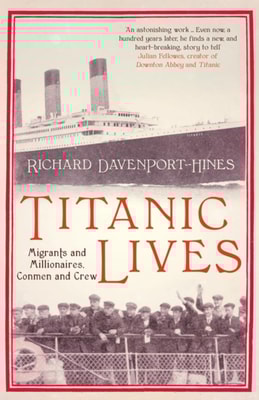
Marking the centenary of the Titanic disaster, 'Titanic Lives' is an utterly compelling exploration of the lives of the passengers and crew on board the most famous ship in history.
The complex political and cultural relationship between the German state and the Ottoman Empire is explored through the lens of the Ottoman Railway network, its architecture, and material culture With lines extending from Bosnia to Baghdad to Medina, the Ottoman Railway Network (1868–1919) was the pride of the empire and its ultimate emblem of modernization—yet it was largely designed and bankrolled by German corporations.
On July 25, 2010, Arnold Ebneter flew across the country in a plane he designed and built himself, setting an aviation world record for aircraft of its class.
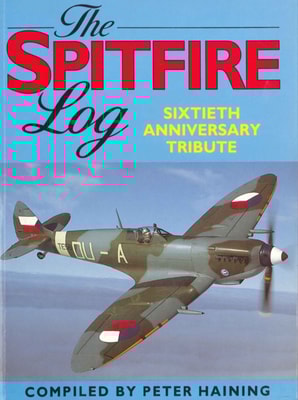
Of all the airplanes that defended Britain during World War Two, none inspired as much affection as the Spitfire, the plane that became a symbol of courage and determination during the Battle of Britain.
How political regimes have responded when certain modes of transportation—from carrier pigeons to canal boats—have been associated with politically subversive activities.
Celebrating the sesquicentennial anniversary of the completion of the first transcontinental railroad in the United States, After Promontory: One Hundred and Fifty Years of Transcontinental Railroading profiles the history and heritage of this historic event.
Celebrating the sesquicentennial anniversary of the completion of the first transcontinental railroad in the United States, After Promontory: One Hundred and Fifty Years of Transcontinental Railroading profiles the history and heritage of this historic event.
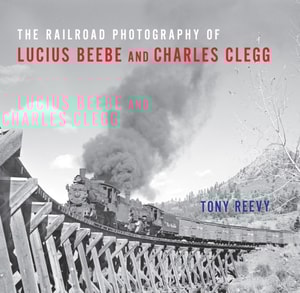
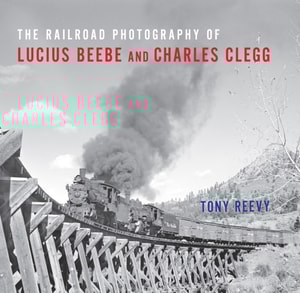
Bon vivant, railroad historian, photographer, pioneering food critic, chronicler of New York's cafe society, and noted newspaperman, Lucius Beebe (1902-1966) was an American original.
Bon vivant, railroad historian, photographer, pioneering food critic, chronicler of New York's cafe society, and noted newspaperman, Lucius Beebe (1902-1966) was an American original.
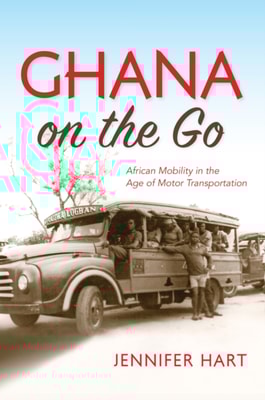
As early as the 1910s, African drivers in colonial Ghana understood the possibilities that using imported motor transport could further the social and economic agendas of a diverse array of local agents, including chiefs, farmers, traders, fishermen, and urban workers.
French-born and self-trained civil engineer Octave Chanute designed America's two largest stockyards, created innovative and influential structures such as the Kansas City Bridge over the previously "e;unbridgeable"e; Missouri River, and was a passionate aviation pioneer whose collaborative approach to aeronautical engineering problems encouraged other experimenters, including the Wright brothers.
The origins of Wrightbus can be traced back to just after the Second World War in 1946 when the company was founded as Robert Wright & Son Coachbuilders in Ballymena Northern Ireland.
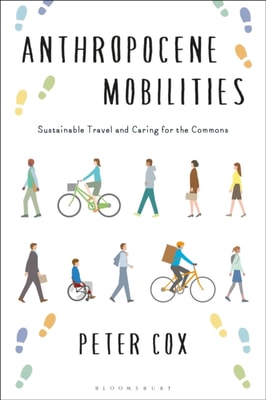
Sustainable travel expert Peter Cox shows how individual choices about how to move from one place to another shape the ways we relate to the world and to each other, and in turn, how all this shapes us as people and ultimately affects worldwide problems.