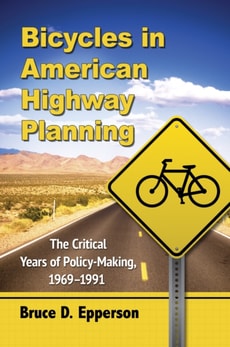
The United States differs from other developed nations in the extent to which its national bicycle transportation policy relies on the use of unmodified roadways, with cyclists obeying the same traffic regulations as motor vehicles.
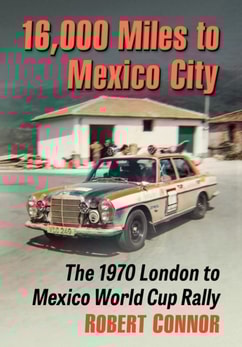
Imagine driving 16,000 miles in 25 days over some of the roughest terrain in the world, at altitudes up to 16,000 feet, where engines and lungs gasp for air.
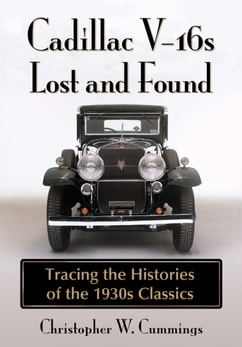
For eleven years prior to World War II, Cadillac defied the norms of practicality and produced an extravagant supercar, a 16-cylinder luxury automobile that could be tailored to the customer's every want.
North Carolina artist Stephen Shoemaker and writer Janet Pittard have teamed up to present a selection of Shoemaker's paintings and drawings and the stories behind them.
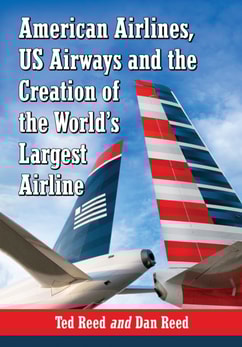
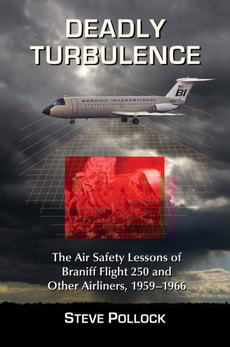
Against a backdrop of inadequate funding, misplaced priorities and a lack of manpower, American commercial aviation in the 1960s was in a perilous state.
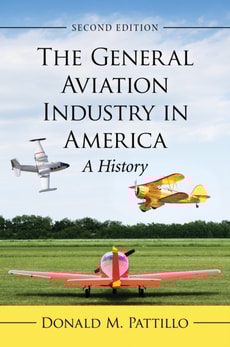
The industry known as "e;general aviation"e;--encompassing all flying outside of the military and commercial airlines--dates from the early days of powered flight.
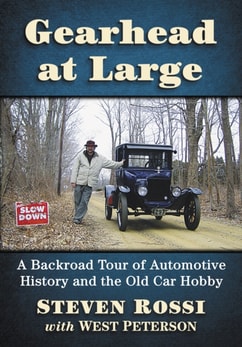
A popular feature in Antique Automobile magazine, Steven Rossi's columns open up the world of old cars, transporting readers to earlier times from the age of horseless carriages through the evolution of cars and car culture.
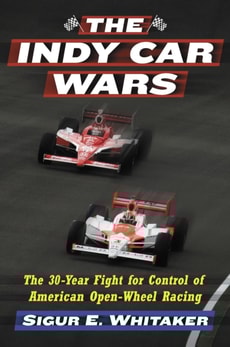
The first organized, sanctioned American stock car race took place in 1908 on a road course around Briarcliff, New York--staged by one of America's early speed mavens, William K.
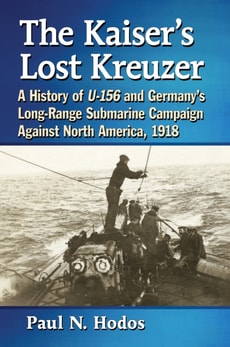
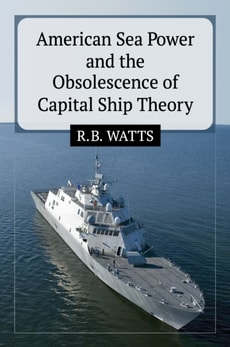
Since the beginning of the 20th century, the United States has sought to achieve Admiral Alfred Thayer Mahan's vision of "e;command of the sea"e; using large battle fleets of capital ships.
Electric propulsion for boats was developed in the early 19th century and--despite the advent of the internal combustion engine--continued with the perfecting of the modern turbo-electric ship.
In 1930, Cadillac rolled out a line of new cars of unsurpassed elegance and craftsmanship that would launch the company into the top tier of luxury carmakers.
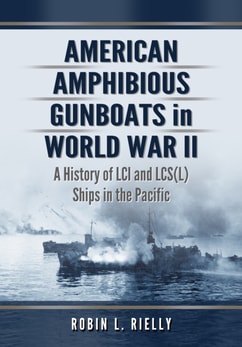
As the United States began its campaign against numerous Japanese-held islands in the Pacific, Japanese tactics required them to develop new weapons and strategies.
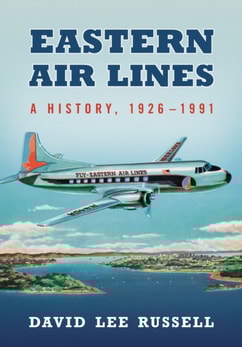
Eastern Air Lines began in 1926 when aviation pioneer Harold Pitcairn started the first carrier air mail route from New York to Atlanta under his company, Pitcairn Aviation.
Air warfare was a decisive component of World War II, especially in western Europe and over Japan, where Allied bombers damaged 66 of the country's largest cities.
This field guide gives the reader access to the largest parts store in the world for 1946-1948 Dodge Deluxe and Custom D24 models, with information from more than 200 aftermarket catalogs for Dodge parts made in the U.
The truck's role in American society changed dramatically from the 1960s through the 1980s, with the rise of off-roaders, the van craze of the 1970s and minivan revolution of the 1980s, the popularization of the SUV as family car and the diversification of the pickup truck into multiple forms and sizes.
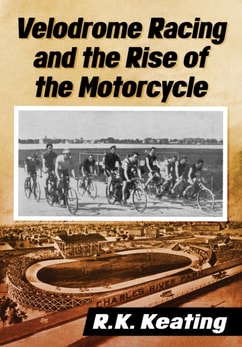
A hybrid machine--powered at times by steam, electricity or internal combustion--the motorcycle in its infancy was an innovation to help bicycle racers go faster.
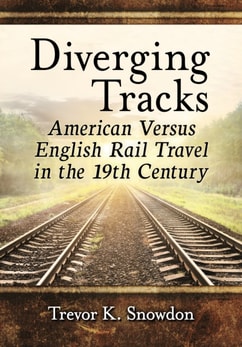
The advent of mass railroad travel in the 1800s saw the extension of a system of global transport that developed various national styles of construction, operation, administration, and passenger experiences.
From the earliest "e;velocipedes"e; through the advent of the pneumatic tire to the rise of modern road and track competition, this history of the sport of bicycle racing traces its role in the development of bicycle technology between 1868 and 1903.
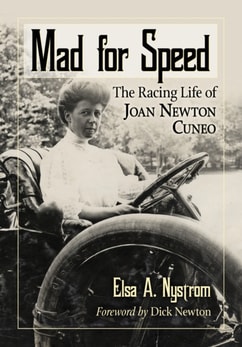
This book covers Joan Newton Cuneo's life, and her roles (from 1905 to 1915) as the premier female racer in the United States and spokeswoman for women drivers and good roads.