Strathtay Scottish was a product of the state-owned Scottish Bus Group's attempts to prepare for deregulation and possible privatisation in the mid-1980s.
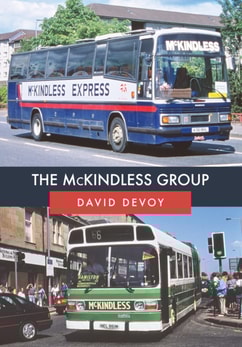
The McKindless bus company started off as a small operation of a few buses, a lorry and two coaches in 1987, and traded under the name of Chartered Coaches.
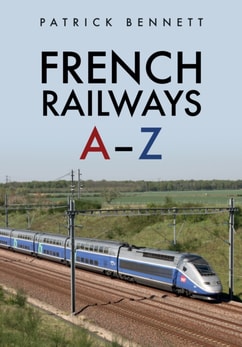
The railways of France present a uniquely interesting picture, consisting as they once did of two entirely separate but overlapping systems: the standard-gauge network of the great railway companies and the mostly metre-gauge network of the local rural railways.
The railway lines of London and the South East include tracks from all four of the constituent companies that made up British Railways and subsequently became the Eastern, Midland, Southern and Western regions.
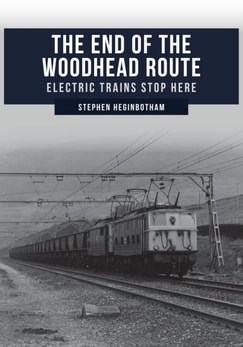
In The End of the Woodhead Route: Electric Trains Stop Here, transport historian Stephen Heginbotham takes a fresh look at this famous and much mourned route.
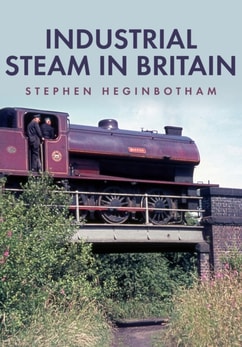
Covering industrial steam throughout the British Isles over several decades, the terrific photographs featured here, captured by David Letcher, document a period of our industrial development that is now long gone.
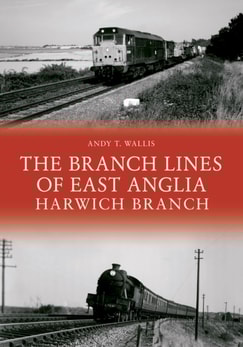
Among the many lines that branch all around the East of England, there are some that can be seen diverging from stations that are never used by the train operating companies.
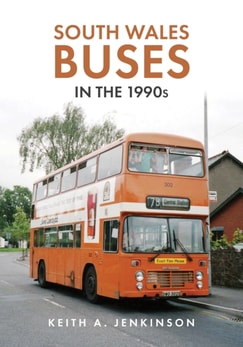
In addition to the major operators such as National Welsh, South Wales Transport, First Group and Stagecoach, South Wales boasted a number of municipal bus operators, most of which have since been acquired by the major groups.
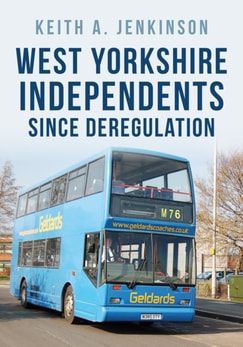
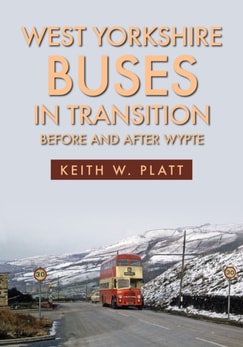
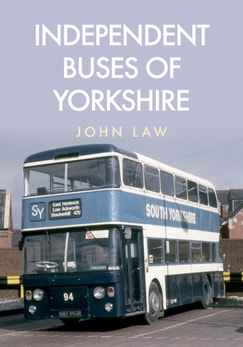
Following the deregulation of bus services in 1986, West Yorkshire became flooded by small independent operators, some of whom survived while others were swallowed up by larger companies.
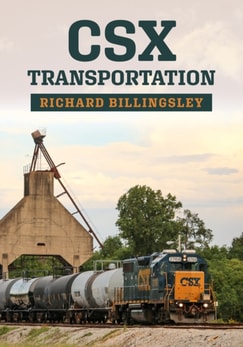
CSX Transportation came to being in 1980 with the merger of Seaboard Coast Lines and the Chessie System, producing a system of over 21,000 route miles in twenty-four states, with incursions into two Canadian provinces.
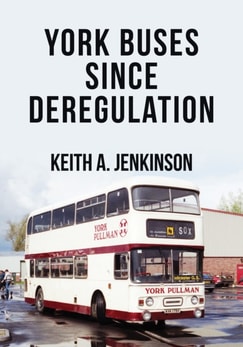
The transport scene in the historic city of York has seen numerous changes since 1986, with the breakup of the National Bus Company into a number of separate units whose ownership have since changed several times.
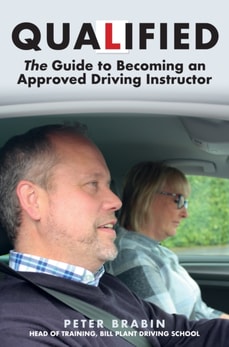
Qualified: The Guide to Becoming an Approved Driving Instructor is a comprehensive industry-standard guide for trainee driving instructors studying for the ADI part 1, 2 and 3 exams; qualified driving instructors looking for a reference guide; and those studying for their standards check.
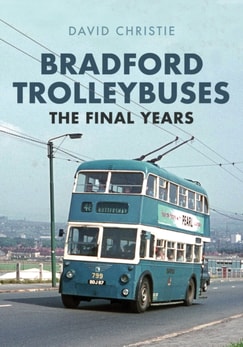
On 1 April 1974, the West Yorkshire Passenger Transport Executive was created by merging the municipal bus fleets of Bradford City Transport, Halifax Corporation with Calderdale Joint Omnibus Committee, Huddersfield Joint Omnibus Committee and Leeds City Transport.
Around the early 2000s, there was a concern among transport enthusiasts that variety in terms of vehicle type and livery in the passenger transport industry in and around the South Wales Valleys would decline.
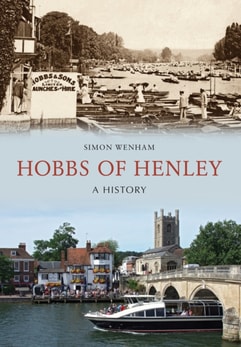
Hobbs of Henley is not only one of the best-known businesses in Henley-on-Thames, it also boasts one of the most exclusive and recognisable fleets of boats plying the river today.
The exact definition of east Scotland can be difficult to define due to its wide geographical areas, but for the purpose of this book the bus services covered are from a wide range of destinations including Aberdeen, Dundee, Edinburgh, Perth, Fife, the Borders and the Lothians.
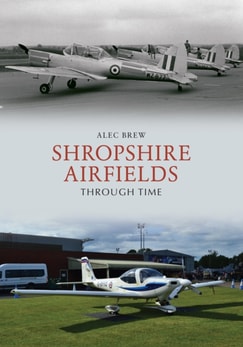
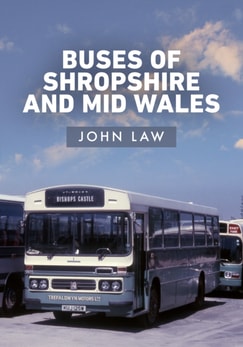
Though there were airfields in Shropshire during the First World War, at Shawbury, Tern Hill and Monkmoor, it was in the late 1930s that a massive building programme began to dot the county with new RAF airfields, mostly for training purposes, until there were over sixteen - in some cases they were so close together that their circuits overlapped.
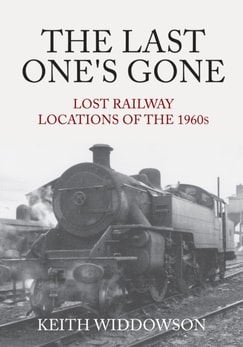
With the effects of the Beeching Axe beginning to be felt, British Railways employee Keith Widdowson set out to photograph as many scenes and locations as he could before they slipped away into the history books.
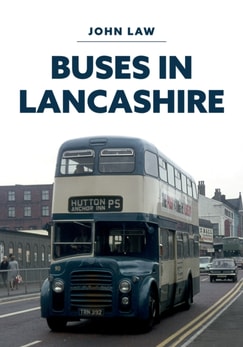
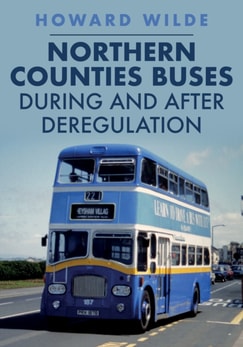
From its formation in 1919 in Wigan, Lancashire, Northern Counties Motor & Engineering Company Limited grew to become one of Britain's most prominent bus builders.
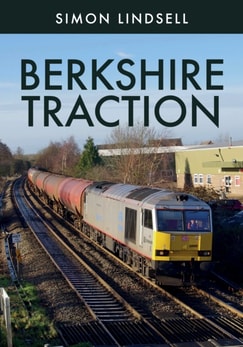
Starting in the late 1970s when the High Speed Trains (HSTs) were first introduced on services out of London Paddington, this book covers approximately forty years of change to the railways of Berkshire.