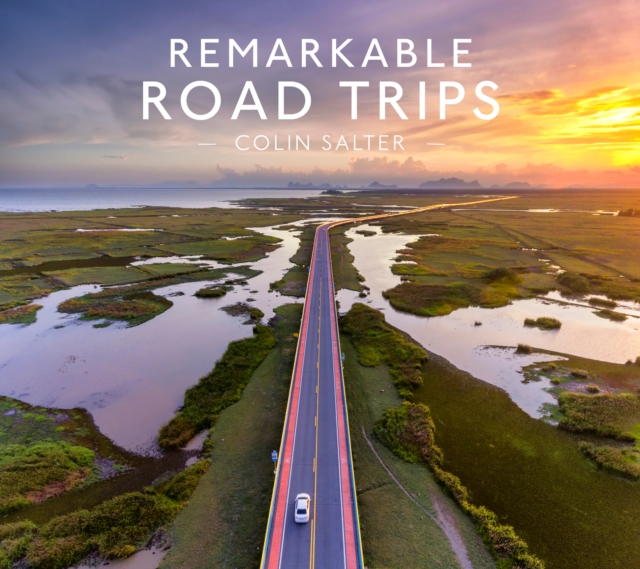
Remarkable Road Trips collects over 50 of the most spectacular, dangerous, and thoroughly memorable road trips from around the worldEntries range from the shortest - the Guoilang Tunnel hewn into the side of a cliff face in China, to the longest, the Dempster Highway in desolate stretches of Arctic Canada.
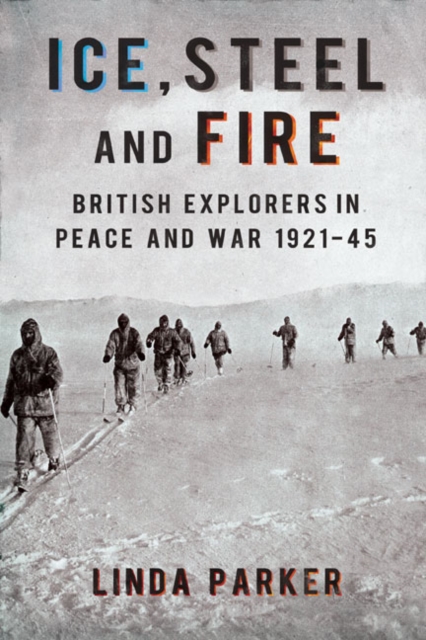
The generation that reached maturity in the inter war years had grown up in the shadow of the heroic age of Polar exploration and the sacrifices of a generation in the Great War.
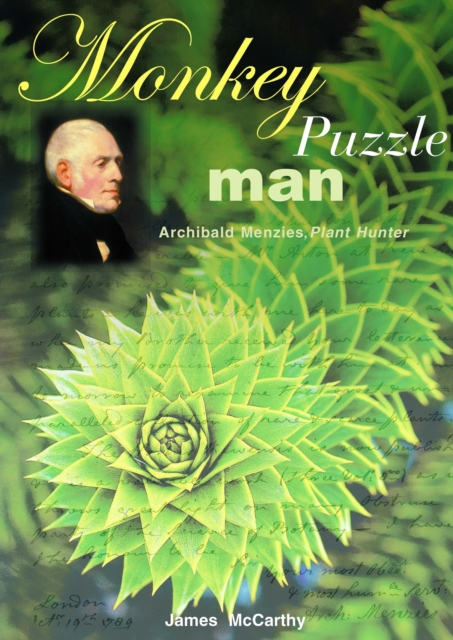
Archibald Menzies was one of a legion of intrepid Scots plant collectors in the 18th and 19th centuries who roamed the world and, by a combination of toughness and knowledge, established the foundations of the botany of the British Empire.
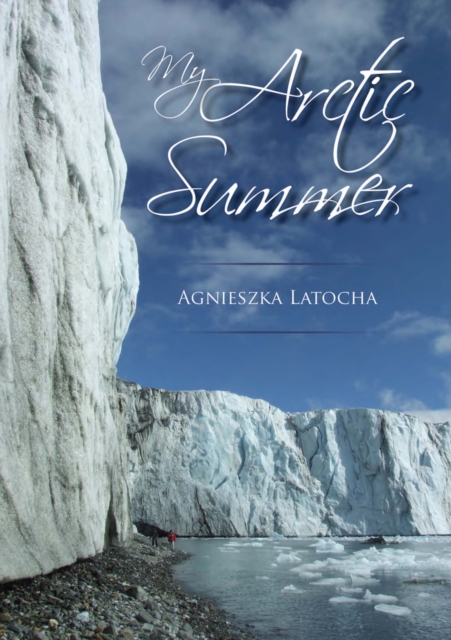
Spitsbergen is the largest island of the Svalbard archipelago which is situated between the Greenland and Barents Seas, approximately 600 miles from the North Pole.
A journey both historical and contemporary among the fantastical landscapes, resourceful inhabitants and isolated tribes of the world's fourth-largest island of enduring fascination for its rich biodiversity: Madagascar.
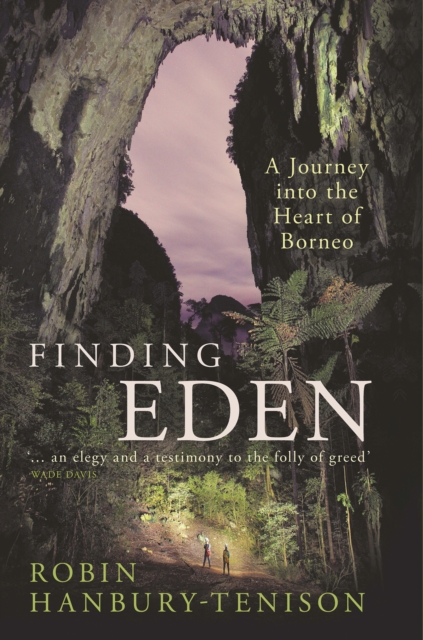
'Sometimes it feels as though the whole planet has been so polluted and ravaged that there are no Edens left, but they are there to be found by those who step off the beaten track.
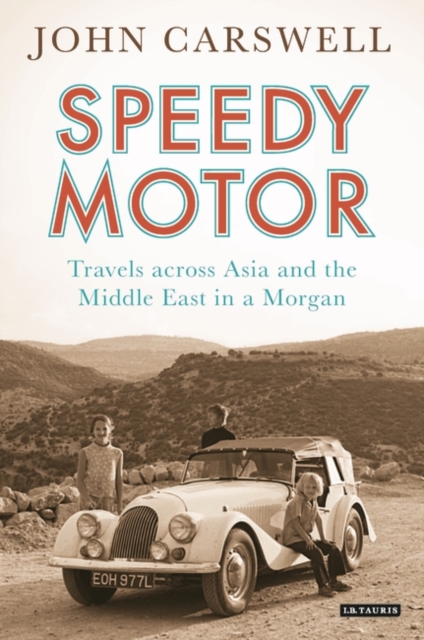
In the summer of 1974, against the backdrop of the Lebanese Civil War, ceramics expert and Morgan sports car enthusiast John Carswell set off with his young family from their home in Beirut on an expedition across Asia and the Middle East.
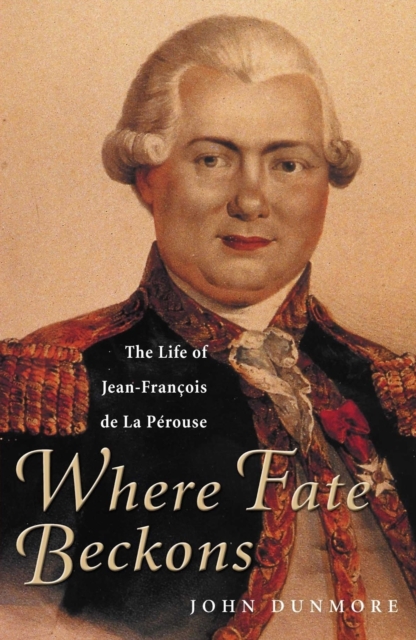
Jean-François De Galup, Comte De La Pérouse is second only to James Cook in his historical significance and was the major explorer of the Pacific in the eighteenth century.
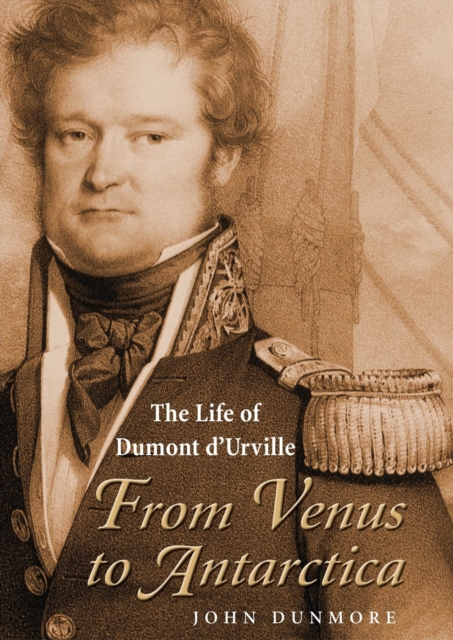
Jules-Sebastien-Cesar Dumont D'Urville (1790-1842) undertook three global voyages of exploration and is the navigator who made the single greatest contribution to perfecting the map of the Pacific in the nineteenth century.
Lonely Planet: The world's leading travel guide publisherGreedy Lords, dubious heroes, wicked relations and innocents in peril - today's world sounds like a grim fairytale!
Zane Grey visits what he considers to be "e;probably the most beautiful and wonderful natural phenomenon in the world,"e; and "e;also Monument Valley, and the mysterious and labyrinthine Canyon Segi with its great prehistoric cliff-dwellings.
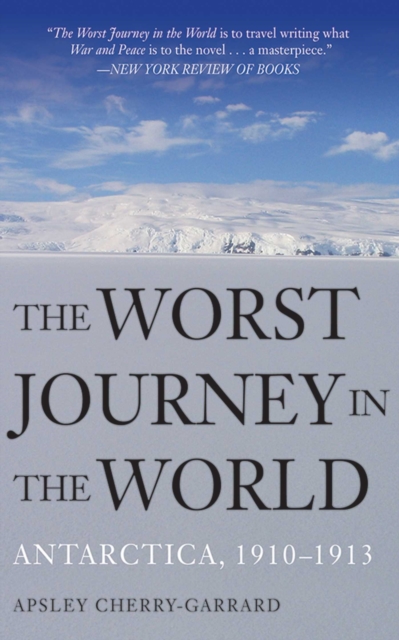
In 1910, hoping that the study of penguin eggs would provide an evolutionary link between birds and reptiles, a group of explorers left Cardiff by boat on Robert Falcon Scotts expedition to Antarctica.
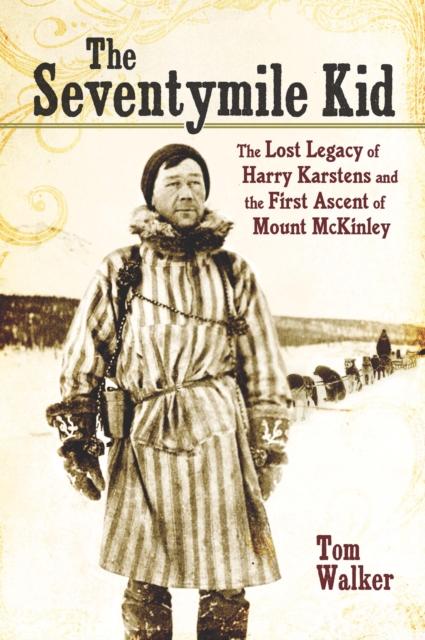
CLICK HERE to download the first two chapters from The Seventymile Kid* A true and complete account of the first successful ascent of Mount McKinleysetting the record straight* The summer of 2013 marks the 100th anniversary of the McKinley's first ascent* Features archival photographs, including rare and never-before-published imagesThe Seventymile Kid tells the remarkable account of Harry Karstens, who was the actualif unheraldedleader of the Hudson Stuck Expedition that was the first to summit Mount McKinley in Alaska.
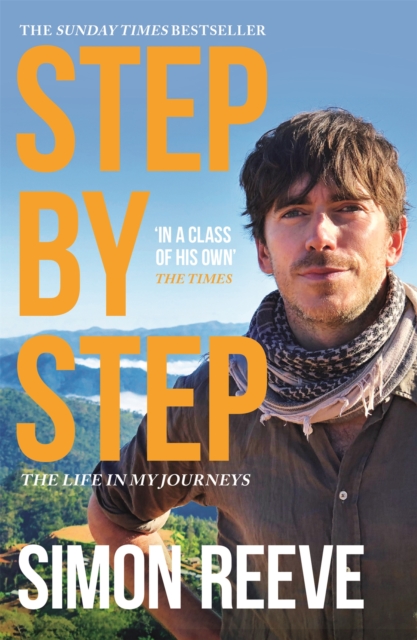
In Journeys to Impossible Places, best-selling author and presenter Simon Reeve reveals the inside story of his most astonishing adventures and experiences, around the planet and close to home.
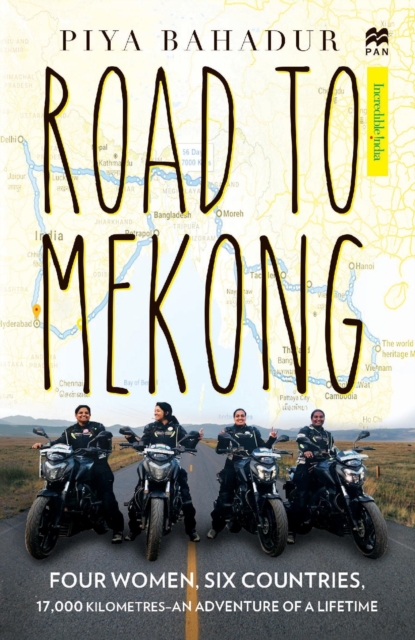
For fifty-six days, four women left their 'regular lives', homes, families and comfort, to ride their motorbikes through scenic landscapes, inhospitable terrain and diverse regions.
In 1871, seventeen-year-old Frederick Dellenbaugh began a great adventure when he joined Major John Wesley Powell and a crew of scientists on Powell's second exploration trip down the Colorado River and into the Grand Canyon.
'Equal parts an inspiring account of Reeve's determination and adventurous spirit, as well as a field guide to some of the most remote parts of the world, Step by Step is a vivid and fascinating title.
'A life-affirming book' Daily Mail'An uplifting personal story of a year lived like no other' Daily ExpressTwo days after her husband of sixty-seven years dies, nonagenarian Miss Norma is diagnosed with cancer.
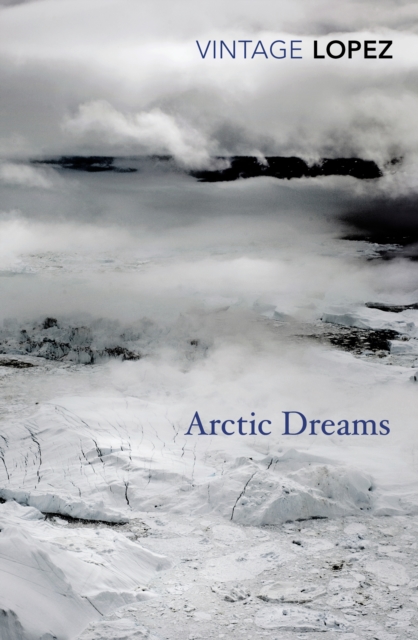
**AS HEARD ON BBC RADIO 4**'A master nature writer' (New York Times) provides the ultimate natural, social and cultural history of the Arctic landscape.
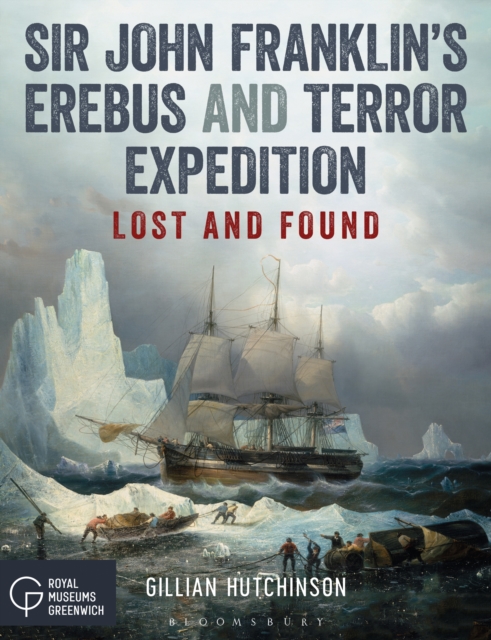
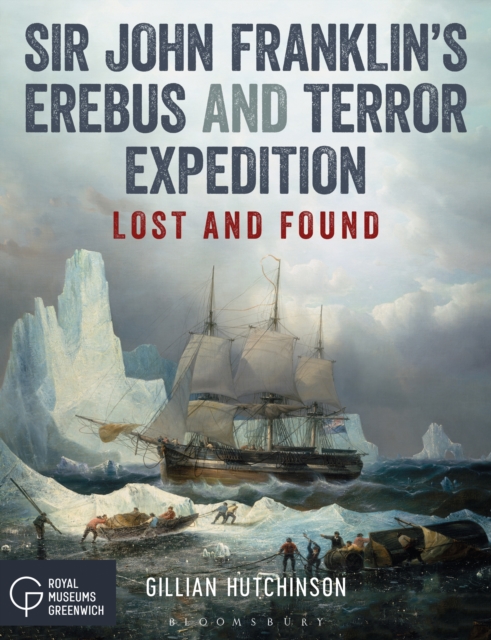
In 1845, British explorer Sir John Franklin set out on a voyage to find the North-West Passage the sea route linking the Atlantic Ocean to the Pacific.
In 1845, British explorer Sir John Franklin set out on a voyage to find the North-West Passage the sea route linking the Atlantic Ocean to the Pacific.
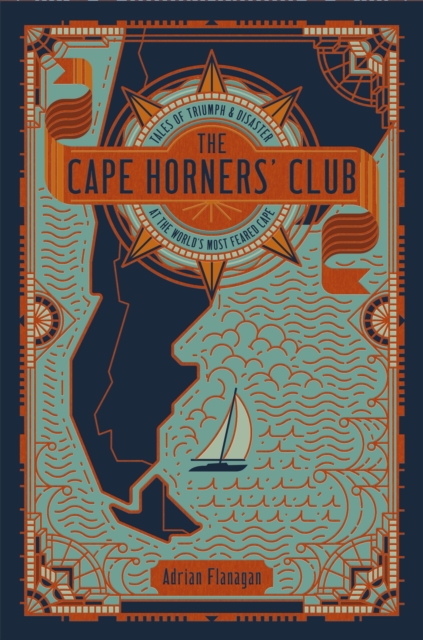
Cape Horn's fearsome reputation and the price it has exacted from those who venture there derives from a lethal contrivance of geography that unleashes the most powerful natural dynamic forces on the earth's surface.