'One of the most fascinating travel books of all time' Times Literary Supplement 'He could not have been more 'modern' if he had been born in the twentieth century' Evening Standard Ibn Battuta was the only medieval traveller who is known to have visited the lands of every Muhammadan ruler of his time and the extent of his journeys is estimated to be at least 75,000 miles.
'One of the most fascinating travel books of all time' Times Literary Supplement 'He could not have been more 'modern' if he had been born in the twentieth century' Evening Standard Ibn Battuta was the only medieval traveller who is known to have visited the lands of every Muhammadan ruler of his time and the extent of his journeys is estimated to be at least 75,000 miles.
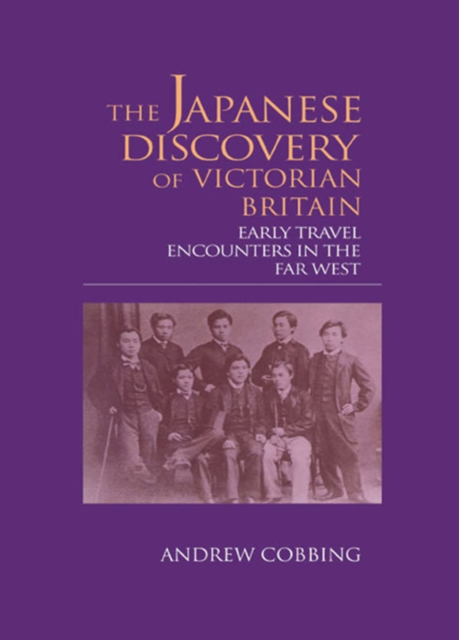
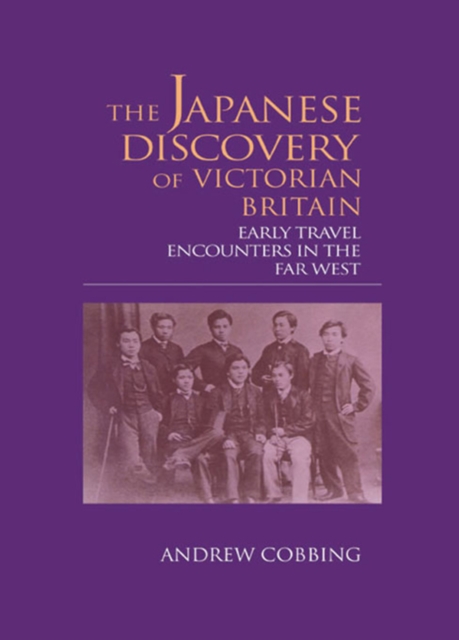
The investigations undertaken in the pursuit of knowledge by the first overseas Japanese travellers during the 1860s and 70s have left a unique record of life in the then unknown west.
The investigations undertaken in the pursuit of knowledge by the first overseas Japanese travellers during the 1860s and 70s have left a unique record of life in the then unknown west.
As many places around the world confront issues of globalization, migration and postcoloniality, travel writing has become a serious genre of study, reflecting some of the greatest concerns of our time.
As many places around the world confront issues of globalization, migration and postcoloniality, travel writing has become a serious genre of study, reflecting some of the greatest concerns of our time.
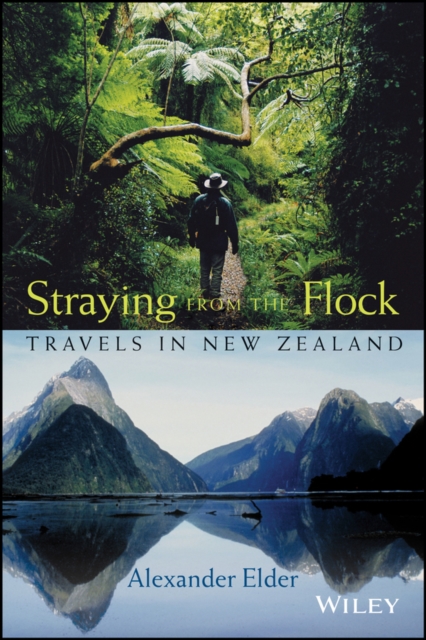
An illuminating road trip through the history, life, and attractions of one of the most beautiful countries in the southern hemisphere The beauty and grandeur of New Zealand has captured the imagination of movie-goers over the past couple of years, and the country is a dream destination for many around the world.
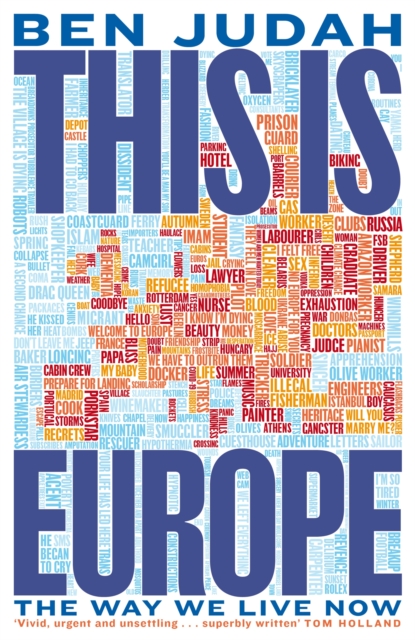
A Times, Financial Times and Telegraph Political Book of the Year'Illuminates some of the great trends of our time' - Gideon Rachman, Financial Times'Vivid, urgent and unsettling' - Tom Holland, author of Dominion_____In a series of vivid, empathetic portraits of other people's lives, journalist Ben Judah invites us to meet some of the people who call Europe their home.
From the acclaimed, bestselling author of Turn Right at Machu Picchu, a fascinating and funny journey into Alaska, America''s last frontier, retracing the historic 1899 Harriman Expedition.
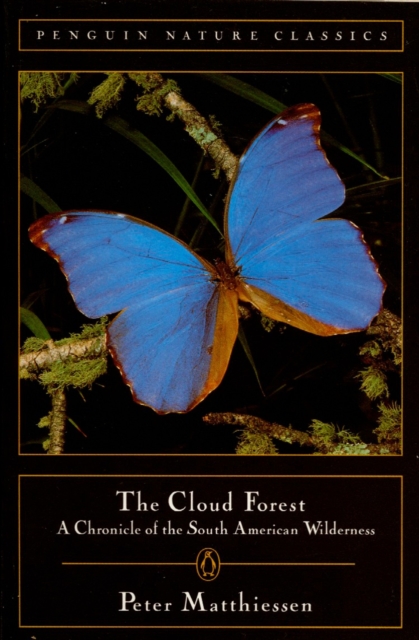
A timeless and majestic portrait of Africa by renowned writer Peter Matthiessen (1927-2014), author of the National Book Award-winning The Snow Leopard and the new novel In Paradise
A finalist for the National Book Award when it was released in 1972, this vivid portrait of East Africa remains as fresh and revelatory now as on the day it was first published.
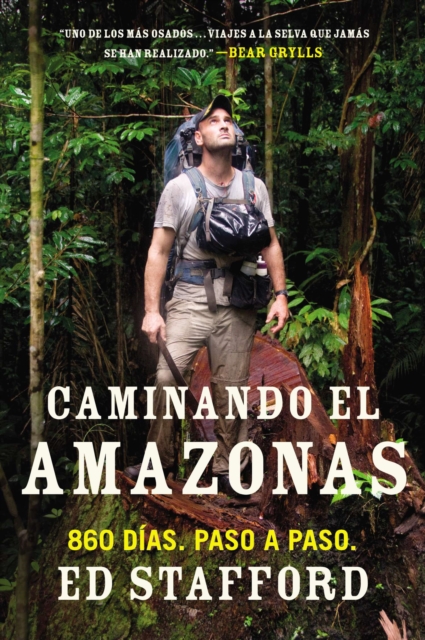
La apasionante narración del histórico recorrido de un hombre a lo largo de todo el Amazonas—y a través del medio ambiente de mayor diversidad biológica del planeta.
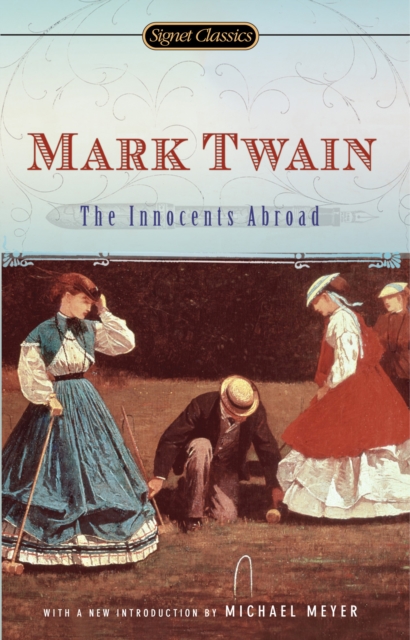
In A Tramp Abroad, Mark Twain’s unofficial sequel to The Innocents Abroad, the author records his hilarious and diverse observations and insights while on a fifteen-month walking trip through Central Europe and the Alps.
"The charm of certain vacant grassy spaces, in Italy, overfrowned by masses of brickwork that are honeycombed by the suns of centuries, is something that I hereby renounce once for all the attempt to express; but you may be sure that whenever I mention such a spot enchantment lurks in it.
After cancer strikes, a middle-aged couple drop everything, sell most of their belongings, buy an old motor home and utility trailer, and set out on a five-month journey around the country.
'This book is my love letter to the UK, and a celebration of all of the things that I have come to adore, from its food and wine to its history and villages.
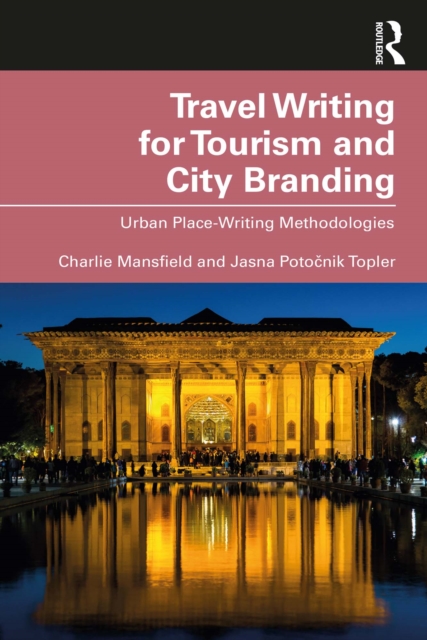
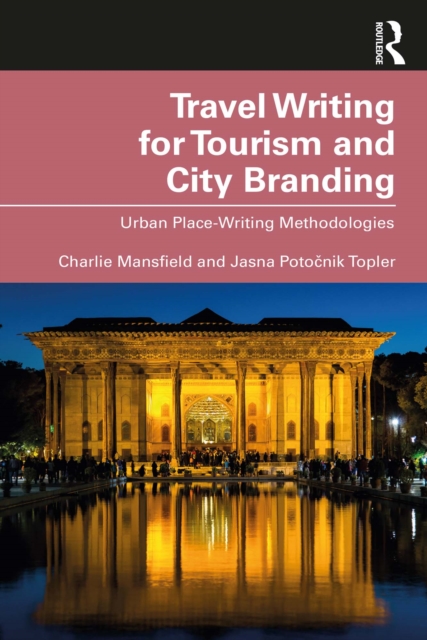
Travel Writing for Tourism and City Branding is an insightful, expert-led book which provides tourism students with a practice-based approach to producing researched literary travel writing on an urban destination, using the writing process as a research tool in itself.
Travel Writing for Tourism and City Branding is an insightful, expert-led book which provides tourism students with a practice-based approach to producing researched literary travel writing on an urban destination, using the writing process as a research tool in itself.
VOLUME II Letters from France; Containing a great variety of original information concerning the most important events that have occurred in that country in the years 1792, and 1793.
This is Volume 3 Of Women's Travel Writing:1750-1850 And Contains A 'Narrative Of Two Voyages To The River Sierra Leone, During The Years 1791-2-3'by A.
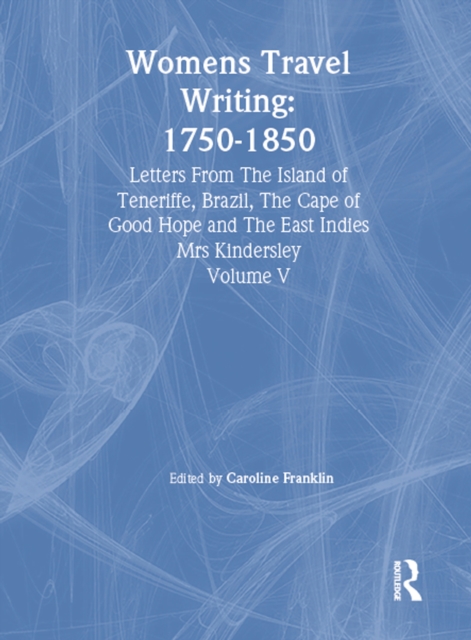
This is Volume 5 Of Women's Travel Writing:1750-1850 and contains Letters from the Island of Tenerife, Brazil, The cape of Good Hope and the East Indies by Mrs Kindersley.
This is Volume 5 Of Women's Travel Writing:1750-1850 and contains Letters from the Island of Tenerife, Brazil, The cape of Good Hope and the East Indies by Mrs Kindersley.