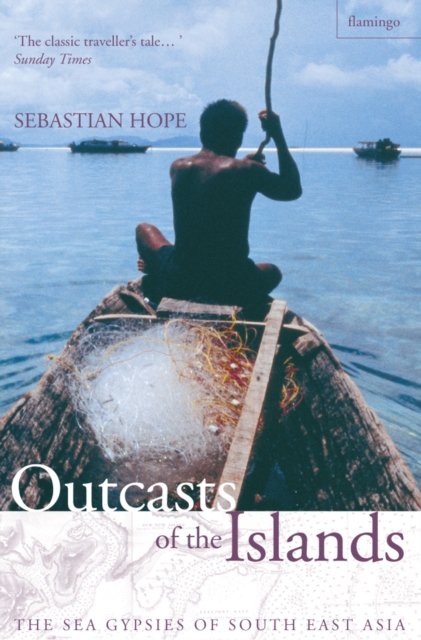
An enchanting tale of travels among South East Asia's Sea Gypsies, scattered groups of semi-nomadic fisher people who occupy the spaces between the islands.
A deliciously different travelogueIn 2005, Cathy and Jason threw in successful careers as TV presenters and producers to become olive farmers in Italy.
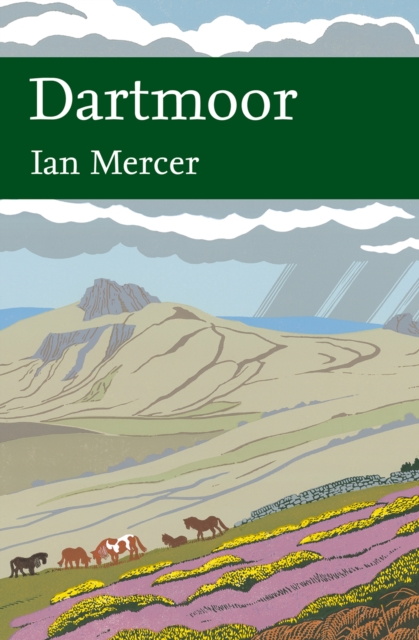
New Naturalist Dartmoor explores the complex and fascinating history of one of southern England's greatest National Parks, an area of enormous interest to naturalists and tourists alike.
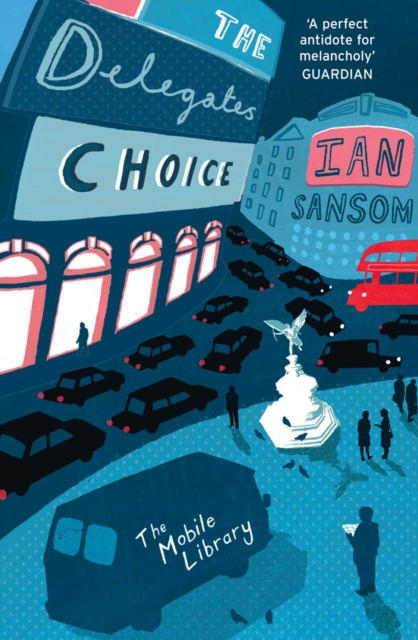
Israel Armstrong, one of literature's most unlikely detectives, returns for more crime solving adventure in this hilarious third novel from the Mobile Library series.
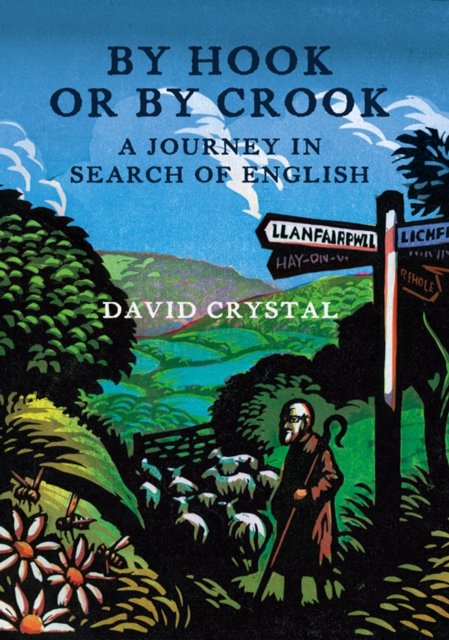
A delightfully discursive, Bill Bryson-esque and personal journey through the groves and the thickets of the English language, by our foremost scholar of the history and structure of the English language.
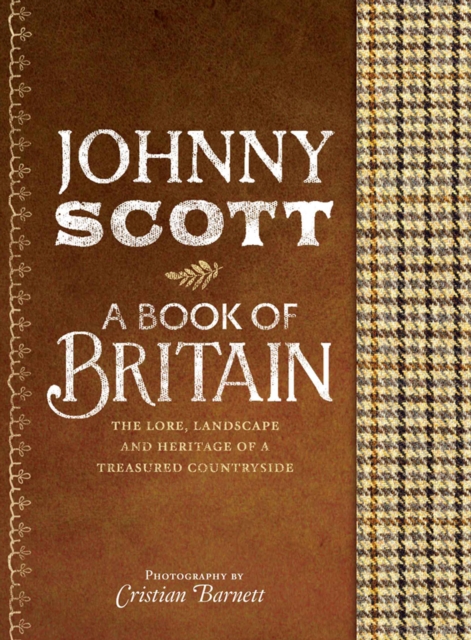
In this remarkable, landmark publication, countryman Sir Johnny Scott evokes all that is romantic about the British countryside, its people, customs and traditions.
For fans of Lorna Sage and Paula Fox, a unique memoir from Irma Kurtz, the acclaimed author of 'The Great American Bus Ride' and internationally renowned agony aunt.
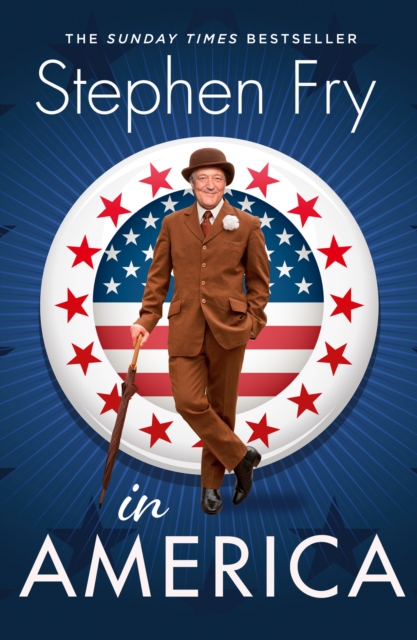
Britain's best-loved comic genius Stephen Fry turns his celebrated wit and insight to unearthing the real America as he travels across the continent in his black taxicab.
One small East African country embodies the battered history of the continent: patronised by colonialists, riven by civil war, confused by Cold War manoeuvring, proud, colorful, with Africa's best espresso and worst rail service.
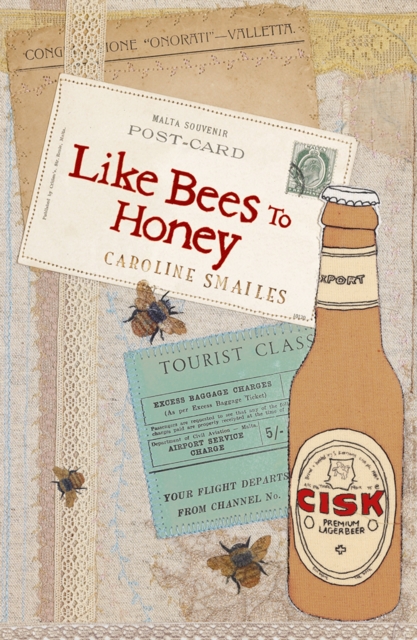
In her third novel, acclaimed author of 'In Search of Adam' and 'Black Boxes' Caroline Smailes draws upon her own family history for a remarkable and unforgettable story of loss and redemption.
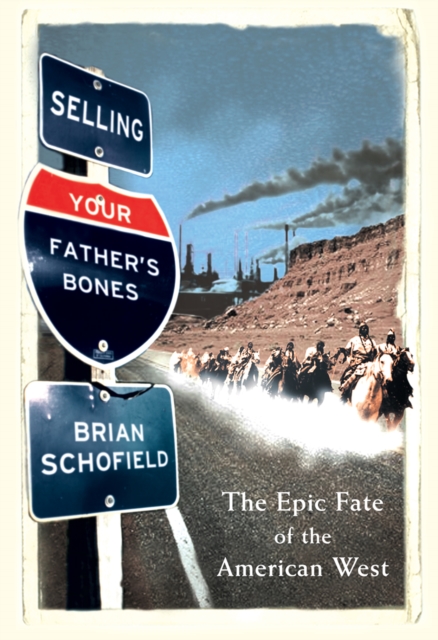
Part historical narrative, part travelogue through the wilds of the West and part environmental polemic, 'Selling Your Father's Bones' is a thrilling journey through the history and wilderness of the stunning area of landscape that is Continental USA.
During the first years of the twentieth century, the British plant collector and explorer Frank Kingdon Ward went on twenty-four impossibly daring expeditions throughout Tibet, China, and Southeast Asia, in search of rare and elusive species of plants.
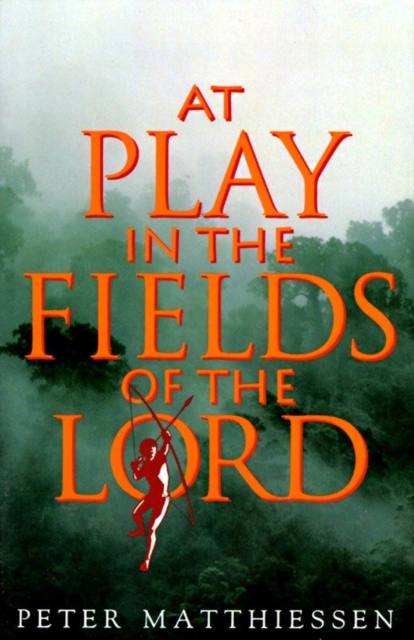
Set in the South American jungle, this thriller follows the clash between two misplaced gringos--one who has come to convert the Indians to Christianity, and one who has been hired to kill them.
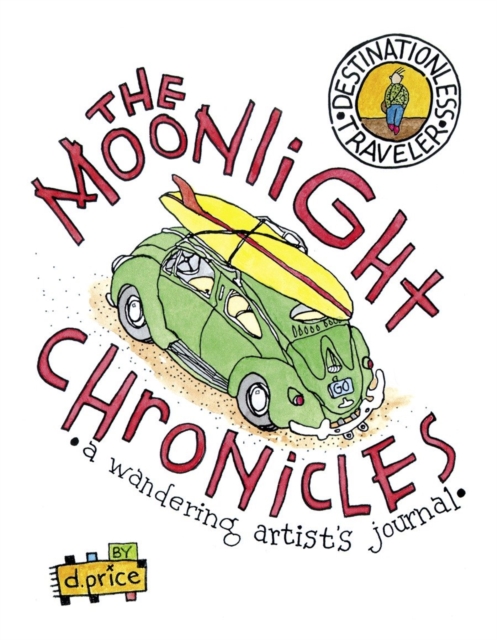
Our favorite freewheelin'' scribe Dan Price''s inaugural collection of vagabond musings, HOW TO MAKE A JOURNAL OF YOUR LIFE, was such a hit that we could hardly wait to bring out THE MOONLIGHT CHRONICLES.
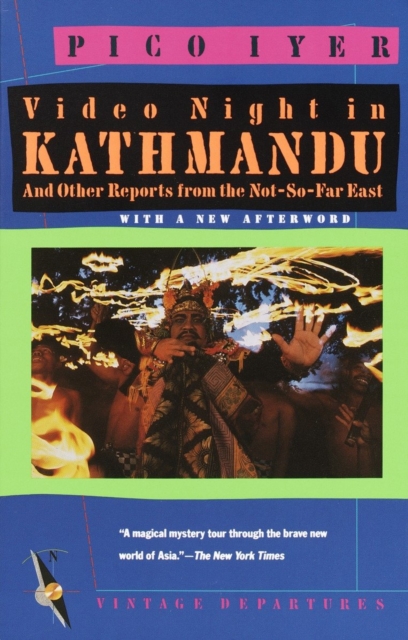
Mohawk hair-cuts in Bali, yuppies in Hong Kong and Rambo rip-offs in the movie houses of Bombay are just a few of the jarring images that Iyer brings back from the Far East.
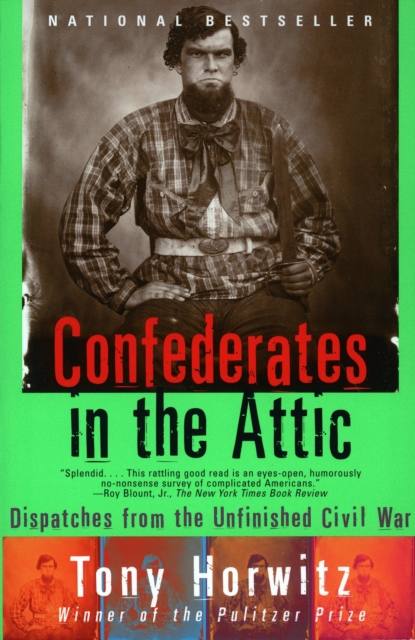
When prize-winning war correspondent Tony Horwitz leaves the battlefields of Bosnia and the Middle East for a peaceful corner of the Blue Ridge Mountains, he thinks he''s put war zones behind him.
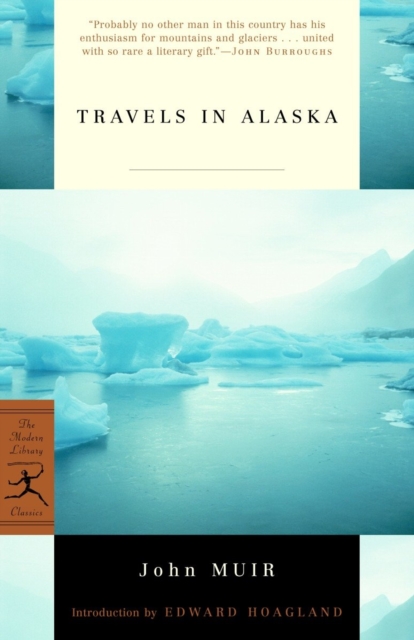
In the late 1800s, John Muir made several trips to the pristine, relatively unexplored territory of Alaska, irresistibly drawn to its awe-inspiring glaciers and its wild menagerie of bears, bald eagles, wolves, and whales.
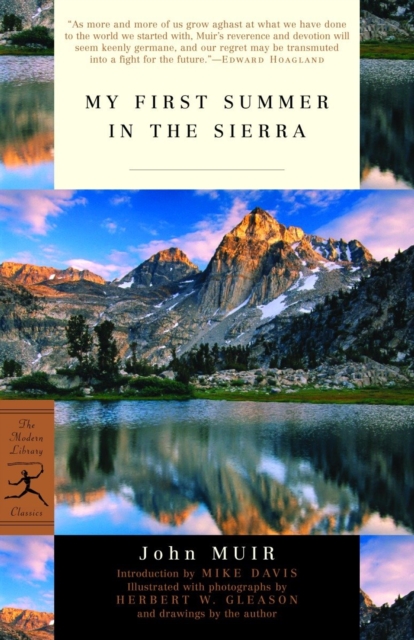
John Muir, a young Scottish immigrant, had not yet become a famed conservationist when he first trekked into the foothills of the Sierra Nevada, not long after the Civil War.