The first comprehensive resource on the chemistry of vanadium, Vanadium: Chemistry, Biochemistry, Pharmacology, and Practical Applications has evolved from over a quarter century of research that concentrated on delineating the aqueous coordination reactions that characterize the vanadium(V) oxidation state.
This second edition volume expands on the previous edition with updates on the latest methods, resources, and studies concerning analysis and prediction of various structural and functional aspects of proteins and ncRNAs.
This second edition volume expands on the previous edition with updates on the latest methods, resources, and studies concerning analysis and prediction of various structural and functional aspects of proteins and ncRNAs.
Practical and provocative, Bioavailability reviews prevalent understanding of the physical-chemical-biological mechanisms that control the bioavailability of both organic and inorganic contaminants in aquatic environments.
The incorporation of nanomaterials into products can improve performance, efficiency, and durability in various fields ranging from construction, energy management, catalysis, microelectronics, plastics, coatings, and paints to consumer articles such as foods and cosmetics.
The field of materials science and technology has undergone revolutionary advances due to the development of novel analytical tools, functional materials, and multidisciplinary approaches to engineering.
The foundational reference in dermal toxicology, this classic text has been completely revised to bring it up to date in the new Eighth Edition, with almost a third of its chapters being newly added.
With the successful mapping of the human genome, we have entered an age of unprecedented opportunity in which researchers are beginning to apply this vast repository of knowledge to the treatment of human disease.
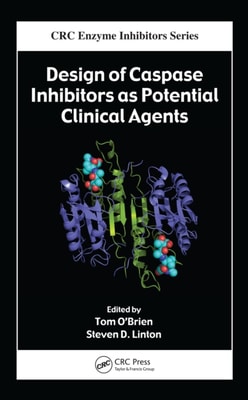
Presents the Therapeutic Potential for Caspase Inhibitors: Present and FutureCaspases represent one of the most specific protease families described to date.
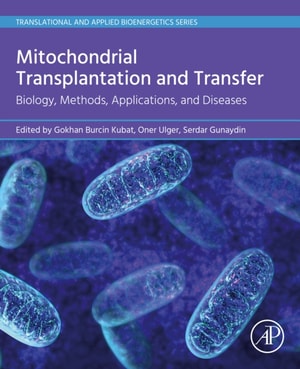
Mitochondrial Transplantation and Transfer: Biology, Methods, Applications, and Disease, a volume in the Translational and Applied Bioenergetics series, offers a detailed overview of mitochondrial transplantation across fundamental biology, disease and early therapeutics research.
Oligopeptides and oligonucleotides, jointly defined as TIDES, have been neglected in the past as potential drugs due to their short half-life and practical difficulties in the manufacturing processes.
This second edition volume expands on the previous edition with new chapters and updated discussions on the latest advancements in the development and practice of metabolic phenotyping.
Reflecting the broad and interdisciplinary nature of toxicology, this third edition of Principles of Toxicology explores the biochemical, physiological, and environmental aspects of the subject.
This second edition volume expands on the previous edition with new chapters and updated discussions on the latest advancements in the development and practice of metabolic phenotyping.
While adenosine triphosphate (ATP) is described as the universal currency of energy in all living organisms at the cellular level, the actual power lies in its phosphate tail.
Back Cover CopyVolume 1 in this book describes how to determine the activity of different isozymes, allozymes, and families of proteinases to advance the fields of enzymology and molecular evolution, and provides useful biomarkers for various biological processes, pathological conditions, and clinical disorders.
Uses Computational Tools to Simulate Endocrine Disruption PhenomenaEndocrine Disruption Modeling provides a practical overview of the current approaches for modeling endocrine activity and the related potential adverse effects they may induce on environmental and human health.
Rats have long been recognized as a valuable biomedical research model, notably in the investigation of aging, toxicology, addiction, and common human diseases such as diabetes and hypertension.
One of few books to cover all aspects of cyclin-dependent kinases (CDKs), this volume examines CDKs as molecular and functional entities, their role in various disease processes, and their potential for pharmacological modulation.
Examining the chemical modification of biological polymers and the emerging applications of this technology, Chemical Modification of Biological Polymers reflects the change in emphasis in this subsection of biotechnology from the study of protein structure and function toward applications in therapeutics and diagnostics.
Glycation, Volume 125 in the Vitamins and Hormones series, highlights new advances in the field, with this new volume presenting interesting chapters written by an international board of authors.
Glycation, Volume 125 in the Vitamins and Hormones series, highlights new advances in the field, with this new volume presenting interesting chapters written by an international board of authors.
Aflatoxins are responsible for damaging up to 25% of the world's food crops, resulting in large economic losses in developed countries and human and animal disease in under-developed ones.
Osmolytes and Intrinsically Disordered Proteins: From Functional Regulation to Disease Pathogenesis, Volume 112 delves into the fascinating interplay between osmolytes and intrinsically disordered proteins (IDPs), exploring their pivotal roles in cellular function and disease mechanisms.
Chemical and Genomic Methods in Nucleic Acid Biology, Volume 704 highlights new advances in the field of nucleic acids, with this new volume presenting interesting chapters written by an international board of authors.
Reflecting a rich technical and interdisciplinary exchange of ideas, Water and Life: The Unique Properties of H20 focuses on the properties of water and its interaction with life.
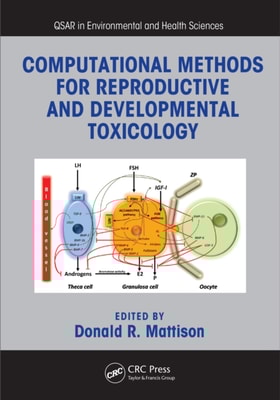
Building from the perspective of reproductive and developmental biology, Computational Methods for Reproductive and Developmental Toxicology provides a timely and comprehensive overview of approaches in reproductive and developmental toxicology.
Chemical Intolerance identifies phenolic (aromatic) chemical compounds present in natural foodstuffs, pollens, certain food additives, tobacco smoke, perfumes, air pollution, etc.
Ultrastructure of Microalgae provides both fundamental and specific information regarding the ultrastructure of the major components of the microalgal cell.
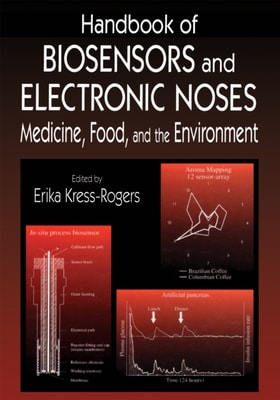
In developing the electronic nose and biosensor devices, researchers not only copy biochemical pathways, but also use nature's approach to signal interpretation as a blueprint for man-made sensing systems.
This book provides a multidisciplinary coverage of all manifestations of antimicrobials and antimicrobial resistance technology to promote eco-friendly processes and techniques for environmental sustainability.
This monograph brings together the proceedings of a workshop held in Geneva, Switzerland in March 2000 under the joint sponsorship of the University of Sheffield and F Hoffmann La Roche Ltd.
Biomolecules and Organic Solvents discusses the behavior of enzymes and multi-enzyme complexes in organic solvents, in addition to the problem of water-protein interactions and the characteristics of water at interphases.
NMR Spectroscopy in Liquids and Solids provides an introduction of the general concepts behind Nuclear Magnetic Resonance (NMR) and its applications, including how to perform adequate NMR experiments and interpret data collected in liquids and solids to characterize molecule systems in terms of their structure and dynamics.