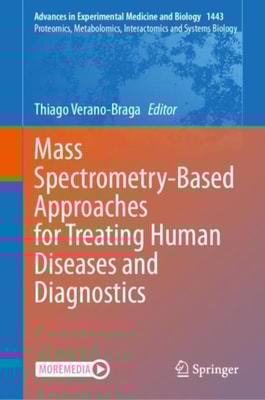
This book presents the technological advances in the field of mass spectrometry-based approaches for treating human diseases and diagnostics as well as the application of such approaches to study, in depth, human diseases, biomarkers discovery and validation, and to provide mechanistic insights of potential new therapeutics.
This book presents the technological advances in the field of mass spectrometry-based approaches for treating human diseases and diagnostics as well as the application of such approaches to study, in depth, human diseases, biomarkers discovery and validation, and to provide mechanistic insights of potential new therapeutics.
This reference work is strong informative about the role of the gut microbiome in organism metabolism and fully discusses the relationship between gut alterations and/or gut microbiome-derived metabolites and the pathogenesis of many diseases, as well as recent advances in clinical applications of microbiome and microbial effector molecules.
This reference work is strong informative about the role of the gut microbiome in organism metabolism and fully discusses the relationship between gut alterations and/or gut microbiome-derived metabolites and the pathogenesis of many diseases, as well as recent advances in clinical applications of microbiome and microbial effector molecules.
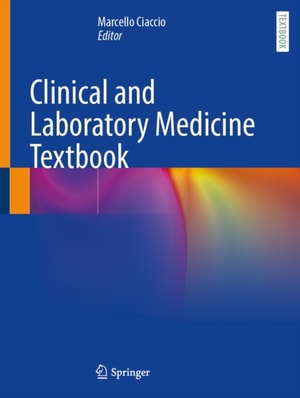
This textbook describes several diseases and clinical conditions, from physiopathological mechanisms to main clinical pictures, highlighting the importance of laboratory medicine, with the aim to provide the necessary tools for guiding correct laboratory findings interpretation.
This textbook describes several diseases and clinical conditions, from physiopathological mechanisms to main clinical pictures, highlighting the importance of laboratory medicine, with the aim to provide the necessary tools for guiding correct laboratory findings interpretation.
This monograph is aimed at providing researchers new to the subject with information on the structure and mechanisms in the chemistry, biochemistry or processing of carbohydrates.
Profiles of Drug Substances, Excipients, and Related Methodology, Volume 49 provides timely and pertinent information on a variety of timely topics, including Physical Profiles of Drug Substances and Excipients; Analytical Profiles of Drug Substances and Excipients; ADME Profiles of Drug Substances and Excipients; Methodology Related to the Characterization of Drug Substances and Excipients; and Methods of Chemical Synthesis.
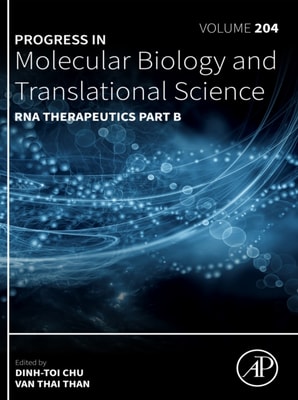
RNA Therapeutics, Part B, Volume 204 updates on a new class of medication based on RNA molecules, with chapters on a variety of topics, including RNA therapeutics for cardiovascular disorders, RNA therapeutics for kidney injury, RNA therapeutics for beta-thalassemia, RNA therapeutics for infectious diseases, RNA therapeutics for reproductive diseases, Potential of RNA and transcriptomic data to drive drug repurposing for various diseases, RNA therapeutics for glioma/glioblastoma, RNA therapeutics for regenerative medicine, Advances in the liposome-based delivery systems for RNA therapeutics in cancer, Advances in the polymeric nanoparticulate delivery systems for RNA therapeutics in cancer, and more.
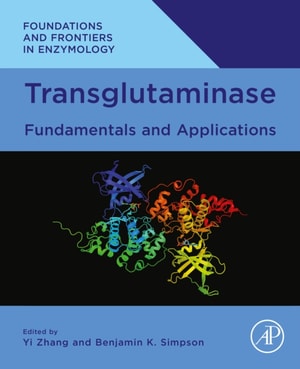
Transglutaminase: Fundamentals and Applications, a new volume in the Foundations and Frontiers in Enzymology series, stands as a comprehensive resource on this increasingly important class of enzymes.
Transglutaminase: Fundamentals and Applications, a new volume in the Foundations and Frontiers in Enzymology series, stands as a comprehensive resource on this increasingly important class of enzymes.
Glycosphingolipids in the Central Nervous System: Diversity in Structure, Metabolism, Distribution, and Function comprehensively covers progress made in the discovery, profiling and understanding of the metabolism, function and functional mechanism of GSLs in the CNS -as well as their synthesis, relationships with and therapeutic applications to neurodegenerative disorders, and related CNS diseases.
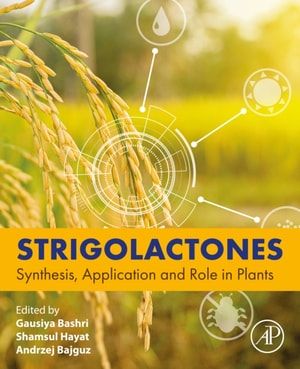
Strigolactones: Synthesis, Application and Role in Plants presents the current state of the science for this recently discovered class of plant hormones, offering foundational insights through latest developments.
Profiles of Drug Substances, Excipients, and Related Methodology, Volume 49 provides timely and pertinent information on a variety of timely topics, including Physical Profiles of Drug Substances and Excipients; Analytical Profiles of Drug Substances and Excipients; ADME Profiles of Drug Substances and Excipients; Methodology Related to the Characterization of Drug Substances and Excipients; and Methods of Chemical Synthesis.
Glycosphingolipids in the Central Nervous System: Diversity in Structure, Metabolism, Distribution, and Function comprehensively covers progress made in the discovery, profiling and understanding of the metabolism, function and functional mechanism of GSLs in the CNS -as well as their synthesis, relationships with and therapeutic applications to neurodegenerative disorders, and related CNS diseases.
Strigolactones: Synthesis, Application and Role in Plants presents the current state of the science for this recently discovered class of plant hormones, offering foundational insights through latest developments.
Ureases: Foundations, Classes, and Applications provides a thorough, practical analysis of ureases-enzymes of growing relevance across a range of biotechnological applications and drug discovery.
A balanced, comprehensive overview of Environmental Quality Standards (EQS), Derivation and Use of Environmental Quality and Human Health Standards for Chemical Substances in Water and Soil addresses the selection and prioritization of substances for standard derivation.
Despite the connections between soils and human health, there has not been a great amount of attention focused on this area when compared to many other fields of scientific and medical study.
Introduction to Bioorganic Chemistry and Chemical Biology is the first textbook to blend modern tools of organic chemistry with concepts of biology, physiology, and medicine.
Reviewing current studies and previously unpublished research from leading laboratories around the world, Unravelling Lipid Metabolism With Microarrays demonstrates the use of microarrays and transcriptomic approaches to clarify the biological function of lipids.
Nutrition for Sport, Exercise, and Performance offers a clear, practical, and accessible guide to building a comprehensive understanding of sport and exercise nutrition from leading experts in nutrition and exercise science.
Nutrition for Sport, Exercise, and Performance offers a clear, practical, and accessible guide to building a comprehensive understanding of sport and exercise nutrition from leading experts in nutrition and exercise science.
Ureases: Foundations, Classes, and Applications provides a thorough, practical analysis of ureases-enzymes of growing relevance across a range of biotechnological applications and drug discovery.
Following in the tradition of the popular first edition, Principles of Food Toxicology, Second Edition integrates the general principles of toxicology with a systematic characterization of the most important food-borne toxicants.
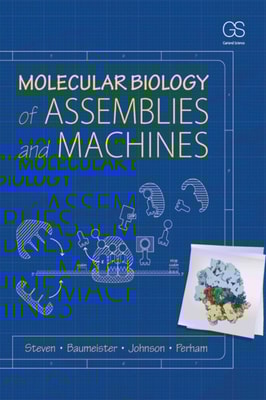
Molecular Biology of Assemblies and Machines provides a comprehensive narrative of the ways in which macromolecular structures assemble and how they interact with other complexes and organelles in the cell.
The IACUC Administrator's Guide to Animal Program Management supports IACUC administrators who assist with developing, managing, and overseeing a program of animal care and animal use.
Cutting across traditional subject boundaries, Principles of Ecotoxicology, Fourth Edition gives readers an integrated view of ecotoxicology, from molecules to ecosystems.
This detailed volume explores the production and purification of glycoproteins for therapeutic use or basic research, as well as the necessary in-depth understanding of cellular and acellular systems available for these purposes, their advantages and disadvantages, and considerations for choosing the most appropriate system for the desired application.