This book covers the latest findings of a wide variety of viral, prokaryotic and eukaryotic macromolecular protein complexes and builds upon the solid macromolecular foundations established by previous volumes of the Subcellular Biochemistry series.
The book is an update on contentious or unsettled issues concerning invasive diagnostic and therapeutic challenges in cancer and related disorders, focusing on the surgical approach.
The major purpose of this book is to present Johann Gregor Mendel (1822-1884) in a real and interesting way based on the most recent historical research and analysis of authentic sources.
The book provides a comprehensive review of the fundamental and practical aspects of bioanalytical support and the integral role it plays in the development of safe and efficacious biopharmaceutical drugs with speed and cost-effectiveness.
The book Heat Shock Proteins in Inflammatory Diseases provides the most comprehensive highlight and insight of the expression, function and therapeutic activity of Heat Shock Proteins in inflammatory diseases including sepsis, psoriasis, neurodegenerative diseases, cancers, viral infection and autoimmune rheumatic diseases.
The scope of this contributed volume is to provide an overview of the latest translational research in the field of lupus pathogenesis, with particular emphasis on how these discoveries progress in parallel with therapeutic drug development.
The proposed book is envisioned for the nascent and entry-level researchers who are interested to work in the field of drug delivery and its applications specifically for macrophage targeting.
The main aim of this book is to collect a series of research articles and reviews from a diverse group of scientists to share their research work on the role of free radical research and environmental toxicity.
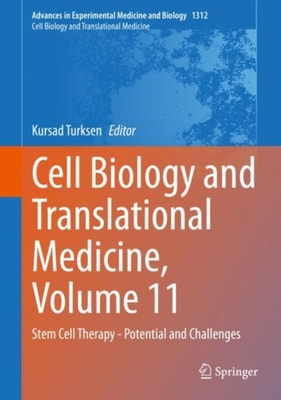
Leading researchers are specially invited to provide a complete understanding of a key topic within the multidisciplinary fields of physiology, biochemistry and pharmacology.
Soybean Seed Composition covers three decades of advances in quantitative trait loci (QTL) mapping of seed protein, oil, fatty acids, amino acids, sugars, mineral nutrients, isoflavones, lunasin, and other beneficial compounds.
This contributed volume is the first of a series that introduces safe, feasible, and practical decellularization and recellularization techniques for tissue and organ reconstruction.
This new edition describes the role of heat shock proteins in the life cycle of malaria parasites, particularly in the context of intracellular parasite stages.
Ribonucleic acid (RNA) is a macromolecule that plays a central role in cell physiology: RNA molecules act as intermediates between the deoxyribonucleic acid (DNA), where genetic information is stored, and proteins, which perform the necessary functions within the cell.
The major purpose of this book is to present Johann Gregor Mendel (1822-1884) in a real and interesting way based on the most recent historical research and analysis of authentic sources.
The present book on Molecular & Diagnostic Imaging and Treatment Strategies of ovarian cancer is one of two companion books with the second one being focused on Cell and Molecular Biology of Ovarian Cancer.
This book gives a comprehensive overview of the unique roles that non-coding repetitive elements such as satellite DNAs play in different physiological and evolutionary processes.
Leading researchers are specially invited to provide a complete understanding of a key topic within the multidisciplinary fields of physiology, biochemistry and pharmacology.
This book explains about amino acids (AAs) which are not only building blocks of protein, but are also signaling molecules as well as regulators of gene expression and the protein phosphorylation cascade.
This book discusses the mathematical simulation of biological systems, with a focus on the modeling of gene expression, gene regulatory networks and stem cell regeneration.
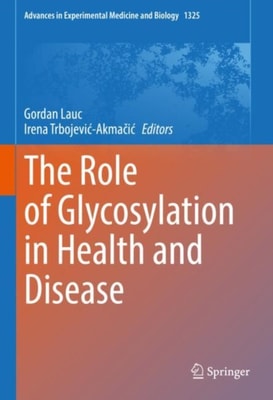
Glycobiology is an emerging field of studying glycans (sugars) and glycoconjugates that are essentially involved in almost all biological processes, from fine-tuning glycoprotein function to protein-protein interactions, signaling, immune response, host-pathogen interactions, etc.
The reproduction and spread of a virus during an epidemic proceeds when the virus attaches to a host cell and viral genetic material (VGM) (protein, DNA, RNA) enters the cell, then replicates, and perhaps mutates, in the cell.