This volume compiles a broad range of step-by-step protocols, complementary to the ones published in the first edition of this book, to study various aspects of mitochondrial structure and function in different model organisms, both in vitro and in vivo.
Featuring experimental approaches that shed light on the complexity of Ras GTPase biological functions, Ras Signaling: Methods and Protocols contains general overviews and detailed applications of both well-established and recently developed research techniques, including biochemical, biophysical, molecular biology, genetic and behavioral approaches, advanced high resolution fluorescence and electron microscopy imaging and "e;omics"e; technologies.
The main aim of this fourth volume is to complement the first three volumes published in 2004 and 2012 by adding advanced methodologies and perspectives.
The field of genetics is rapidly evolving, and new medical breakthroughs are occurring as a result of advances in knowledge gained from genetics research.
Advances in Genetics provides the latest information on the rapidly evolving field of genetics, presenting new medical breakthroughs that are occurring as a result of advances in our knowledge of genetics.
The first of two new volumes covering mitochondria, Mitochondrial Function, Part A presents modern methods that have been developed to examine mitochondrial electron transport chain complexes, iron-sulfur proteins and reactive oxygen species.
This book provides valuable coverage on various immunomodulatory research associated with nutraceutical studies, from plant to animal and marine sources.
This book introduces readers to intestinal and epidermal barriers, and to toxicity induction of environmental toxicants or stresses in the intestine, epidermis, neurons, muscle, and reproductive organs in Caenorhabditis elegans.
Reporter genes have played, and continue to play, a vital role in many areas of biological research by providing a ready means for qualitative and quantitative assessment of the activity of genes and location of gene products in different environments.
From brightly coloured corals to shimmering shoals of fish, the diversity of life on a coral reef is celebrated in this visually stunning picture book with a strong ecological message about the need to protect this most precious of environments.
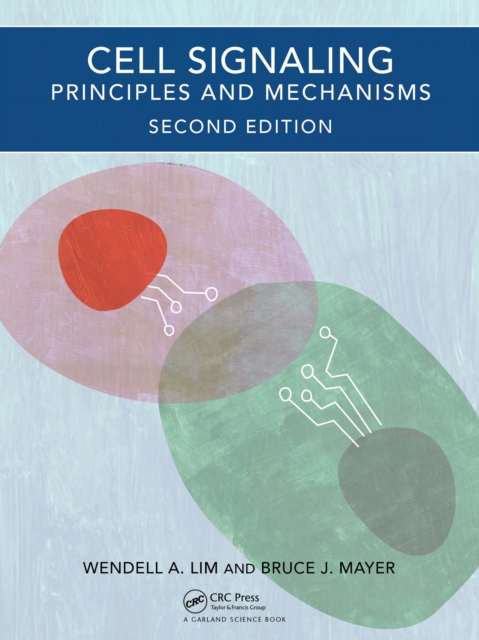
Cell Signaling provides undergraduate and graduate students with the conceptual tools needed to make sense of the dizzying array of pathways that cells use to detect, process, and respond to signals from the environment.
Learn the funny and fascinating story of Charles Darwin and the groundbreaking discoveries that resulted from his love of the humble worm in this hilarious, illustrated children's book.
Gas molecules such as O2, NO, CO and ethylene are present in the environment and are endogenously (enzymatically) produced to act as signalling molecules in biological systems, including the regulation of metabolic networks, chemotaxis, circadian rhythms, mammalian hypoxia responses, and plant ethylene responses by transcriptional, translational, or post translational control.
This volume provides detailed protocols for the performance, analysis, and troubleshooting of in vitro and in vivo experiments related to programmed cell death.
This volume explores techniques used to study either the structure or the functions of caveolae and their components in several normal and pathophysiological situations.
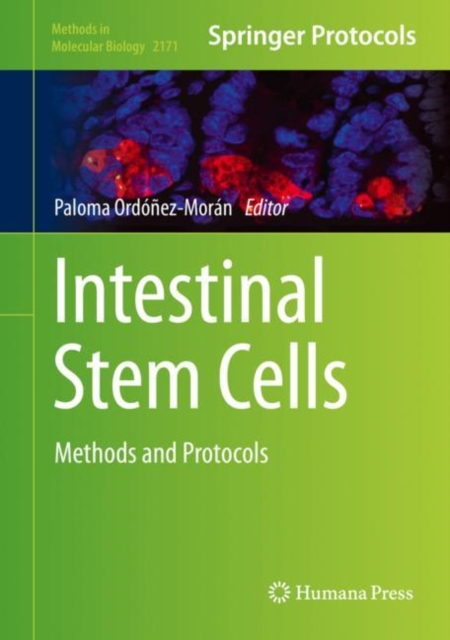
This detailed book encapsulates the most up-to-date methods of the intestinal stem cell field and provides guidance on a variety of techniques for studying intestinal stem cells properties.
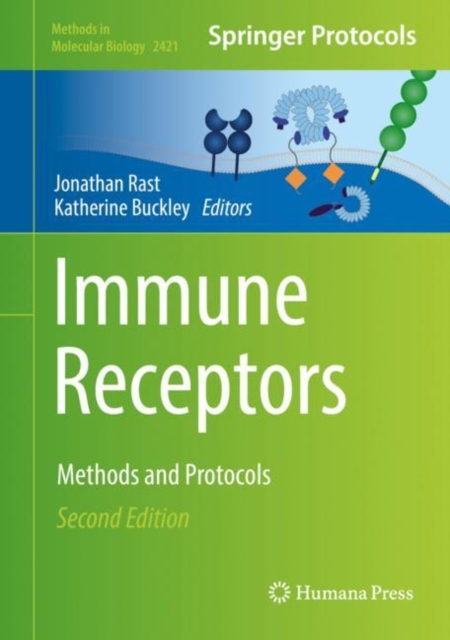
This volume explores immune cell receptors that are used in the detection of microbes, either by binding directly to non-self molecules or through indirectly sensing microbe-associated cellular disturbances.
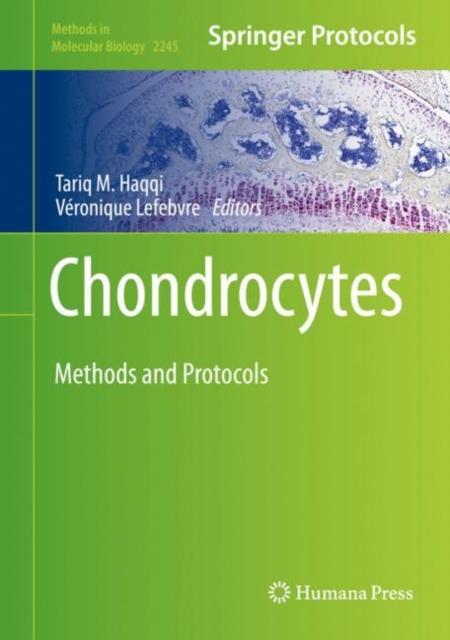
This detailed book collects a variety of methods from investigators at the forefront of chondrocyte biology and pathology research that they have tailored for their research projects in order to tackle the unique properties and challenges of the chondrocyte and those of its tissue matrix.
This volume details a comprehensive range of methods for imaging epithelial-to-mesechymal transition (EMT)/MET in in vivo systems, and methods to leverage these systems to dissect the underlying mechanisms.
This new edition explores innovative approaches and keystone methodologies reflecting the recent advances in the field of plant cell division that have enabled us to study this fascinating process in a quantitative manner, at high resolution both in space and time using cell biology, biochemistry, and molecular biology.
This new edition explores lab protocols describing new techniques to study cytotoxic T-cells (CTLs), as well as chapters of a more general discursive nature, all with an emphasis on the use of systems biology in immunology.
This detailed volume explores techniques for researching brown adipose tissue (BAT) and the fascinating biology and therapeutic potential of thermogenic adipocytes.
Meet the tiny-but-tough tardigrade and the awe-inspiring blue whale in this illustrated introduction to invertebrates, fish, amphibians, reptiles, birds, and mammals.
This detailed volume explores the development of technologies and protocols that are currently being used to understand the nature and activities of the plant cytoskeleton.
This volume discusses the latest analytical approaches used to sample defined molecular populations of metabolites via functional group derivatization, specialized chromatographic methods, and ionization techniques.
This book examines detailed experimental and computational approaches for the analysis of many aspects vital to the understanding of membrane protein structure and function.
This detailed book collects methods based on the evolution of the chromosome conformation capture (3C) technique and other complementary approaches to dissect chromatin conformation with an emphasis on dissection of nuclear compartmentalization and visualization in imaging.
This book collects up-to-date advanced protocols and advice from leading experts in the area of membrane protein biology that can be applied to structural and functional studies of any membrane protein system.
This volume details methods used to track cells in the body and will serve as a reference for preclinical and clinical researchers in the fields of medicine and biomedical science.
This detailed new edition aims to provide a range of methods and protocols for studying vascular morphogenesis in vivo and in vitro to reflect up-to-date advances in the field.