In this volume of ASPA, devoted to developmental biology research, 9 authors from different fields of developmental biology present their investigations on various developing plant and animal models.
The purpose of the book is to bring together in one place the different facets of regenerative biology and medicine while providing the reader with an overview of the basic and clinically-oriented research that is being done.
The chapters contained in this two-volume set provide a broad perspective on the novel strategies and conceptual paradigms that drive the current resurgence of interest in somitogenesis - the process by which somites form and elaborate differentiated tissues and structures.
This volume of Current Topics in Developmental Biology showcases the research and therapeutic value of stem cells, and is proof of the increasing maturation of the fields of regenerative and molecular medicine.
In keeping with the tradition of excellence of past volumes of Current Topics in Developmental Biology, this volume provides a comprehensive survey of major issues at the forefront of modern developmental biology and developmental medicine.
Together with other volumes in this series, Volume 56 of Current Topics in Developmental Biology presents thoughtful and forward-looking articles on developmental biology and developmental medicine.
Together with other volumes in this series, Volume 53 presents thoughtful and forward-looking articles on developmental biology and developmental medicine.
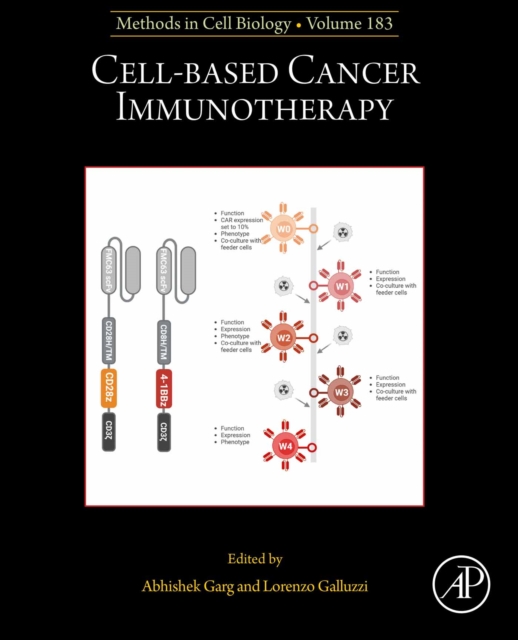
Cell-based Cancer Immunotherapy, Volume 183 provides the latest progress concerning research on anticancer cellular immunotherapies and their immunological, translation, or clinical aspects.
This book provides an overview of the extensive work that has been done on the design and implementation of the COVID-19 Philippines Local Government Unit Monitoring Platform, more commonly known as Feasibility Analysis of Syndromic Surveillance Using Spatio-Temporal Epidemiological Modeler for Early Detection of Diseases (FASSSTER).
With the explosion of knowledge from molecular biology and the burgeoning interest in generating or regenerating tissues or organs through various bioengineering or stem cell approaches, many scientists and students have shown a renewed interest in the phenomenon of regeneration.
Coupled with biomechanical data, organic geochemistry and cladistic analyses utilizing abundant genetic data, scientific studies are revealing new facets of how plants have evolved over time.
A superb compilation of reviews from leading experts in the field of nuclear receptors, volume 16 in the Advances in Developmental Biology series covers the role of different nuclear receptor subfamilies in development, physiology and metabolism.
A superb compilation of reviews from leading experts in the field of Wnt signaling (signaling molecules that regulate cell-to-cell interactions during embryogenesis), volume 17 in the Advances in Developmental Biology series offers 7 chapters, each devoted to a separate area of research on Wnt signaling.
This volume explores the latest developments in the field and showcases the vast potential of human induced pluripotent stem cells (hiPSCs) in advancing neuroscience research.
The Guide to Investigation of Mouse Pregnancy is the first publication to cover the mouse placenta or the angiogenic tree the mother develops to support the placenta.
This book looks at where stem cell technology is presently and how it is instrumental in advancing the field of disease modeling and cell transplantation.
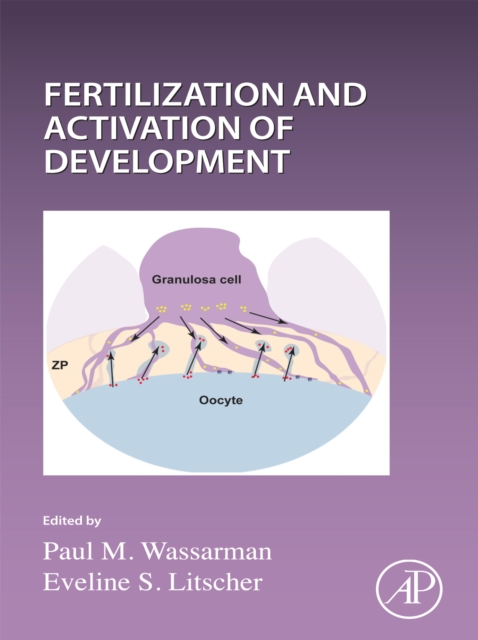
Fertilization and Activation of Development, Volume 162 in the Current Topics in Developmental Biology series, highlights new advances in the field, with this new volume presenting interesting chapters written by an international board of authors.