Primate Sexuality provides an authoritative and comprehensive synthesis of current research on the evolution and physiological control of sexual behaviour in the primates - prosimians, monkeys, apes, and human beings.
This book proposes a new two-step approach to the evolution of language, whereby syntax first evolved as an auto-organizational process for the human conceptual apparatus (as a Language of Thought), and this Language of Thought was then externalized for communication, owing to social selection pressures.
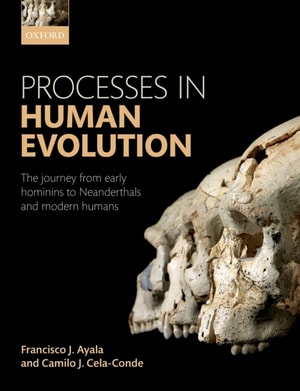
The discoveries of the last decade have brought about a completely revised understanding of human evolution due to the recent advances in genetics, palaeontology, ecology, archaeology, geography, and climate science.
This is an open access publication, available online and distributed under the terms of a Creative Commons Attribution Non Commercial No Derivatives 4.
Since the publication of the first edition of this book in 2010, an explosion of spectacular discoveries in the field of regeneration has compelled the current revisit of the field of Regenerative Nephrology.
The Rise of Homo sapiens provides an unrivalled interdisciplinary introduction to the subject of hominin cognitive evolution that is appropriate for general audiences and students in psychology, archaeology, and anthropology.
The Rise of Homo sapiens provides an unrivalled interdisciplinary introduction to the subject of hominin cognitive evolution that is appropriate for general audiences and students in psychology, archaeology, and anthropology.
Humanity's physical design flaws have long been apparent--we get hemorrhoids and impacted wisdom teeth, for instance--but do the imperfections extend down to the level of our genes?
This book is the first comprehensive history of international efforts to protect the ozone layer, the greatest success yet achieved in managing human impacts on the global environment.
From the gene that causes people to age prematurely to the "e;bitter gene"e; that may spawn broccoli haters, this book explores a few of the more exotic locales on the human genome, highlighting some of the tragic and bizarre ways our bodies go wrong when genes fall prey to mutation and the curious ways in which genes have evolved for our survival.
Robert Arking's Biology of Aging, 3rd edition, is an introductory text to the biology of aging which gives advanced undergraduate and graduate students a thorough review of the entire field.
"e;Peking Man,"e; a cave man once thought a great hunter who had first tamed fire, actually was a composite of the gnawed remains of some fifty women, children, and men unfortunate enough to have been the prey of the giant cave hyena.
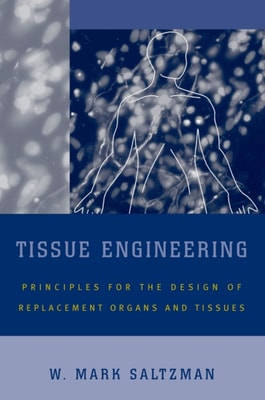
Tissue or organ transplantation are among the few options available for patients with excessive skin loss, heart or liver failure, and many common ailments, and the demand for replacement tissue greatly exceeds the supply, even before one considers the serious constraints of immunological tissue type matching to avoid immune rejection.
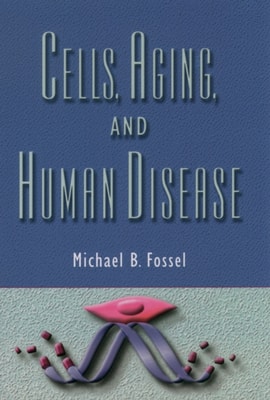
Cells, Aging, and Human Disease is the first book to explore aging all the way from genes to clinical application, analyzing the fundamental cellular changes which underlie human age-related disease.
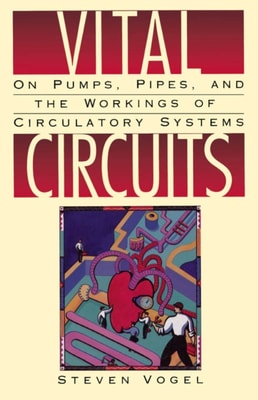
Most of us think about our circulatory system only when something goes wrong, but the amazing story of how it goes right--"e;magnificently right,"e; as author Steven Vogel puts it--is equally worthy of our attention.
'Pontzer's findings have huge implications for our attitudes to exercise, diet and public health' Mark Webster, Sunday Times A myth-busting tour of the body's hidden foundations from a pioneering evolutionary biologist 'Public health strategies stubbornly cling to the simplistic armchair engineer's view of metabolism, hurting efforts to combat obesity, diabetes, heart disease, cancer, and the other diseases that are most likely to kill us' Herman Pontzer's ground-breaking research has revealed how, contrary to received wisdom, exercise does not increase our metabolism.
In The Journey of Man, renowned geneticist and anthropologist Spencer Wells traced human evolution back to our earliest ancestors, creating a remarkable and readable map of our distant past.
In The Universe Within, Neil Shubin, one of the world's leading experts, reveals to us the extraordinary cosmic and evolutionary adventure of our own bodies.