This book describes community ophthalmology professionals in South Asia who demonstrate social entrepreneurship in global health to help the rural poor.
This volume, written in a readable and enticing style, is based on a simple premise, which was to have several exceptional ethnographers write about their experiences in an evocative way in real time during the COVID-19 pandemic.
This book presents important concepts from medical and socio-cultural anthropology to health professionals working with organ transplantation involving indigenous populations.
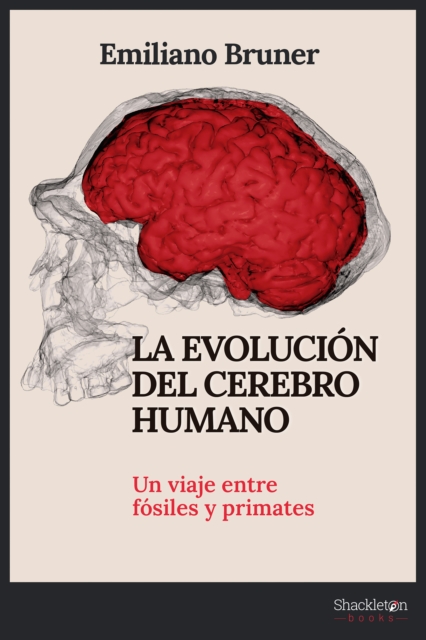
Emiliano Bruner, uno de los principales expertos en paleoantropología, nos muestra cómo evolucionó el cerebro desde los primeros homininos hasta el homo sapiens.
First published in 1980, The limbo people is based upon research carried out in a day centre ('the Centre') for elderly Jewish people in a London Borough and studies the experience and the conception of time among the elderly.
First published in 1982 in the Identity of Man Professor Clark considers a problem which has puzzled men from the authors of the books of the Old Testament to Charles Darwin and his successors: how to reconcile the animal appetites of men with their awareness of gods and their intimations of immortality.
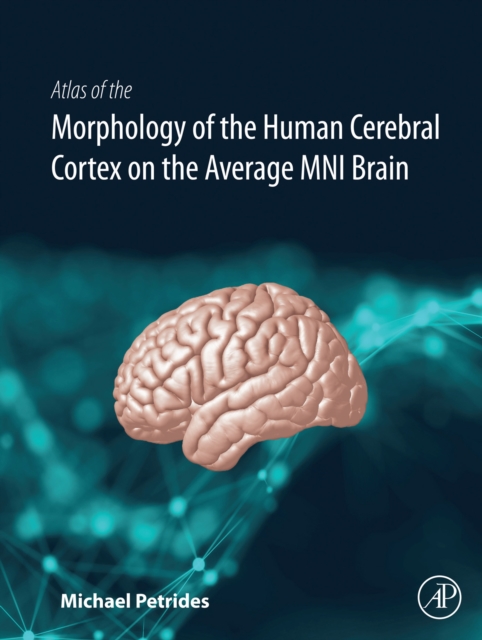
Atlas of the Morphology of the Human Cerebral Cortex on the Average MNI Brain provides a comprehensive identification of the sulci and gyri of the human brain on a series of coronal sections of the average MNI brain and identifies the likely location of the cytoarchitectonic areas of the cerebral cortex.
Atlas of the Morphology of the Human Cerebral Cortex on the Average MNI Brain provides a comprehensive identification of the sulci and gyri of the human brain on a series of coronal sections of the average MNI brain and identifies the likely location of the cytoarchitectonic areas of the cerebral cortex.
First published in 1982 in the Identity of Man Professor Clark considers a problem which has puzzled men from the authors of the books of the Old Testament to Charles Darwin and his successors: how to reconcile the animal appetites of men with their awareness of gods and their intimations of immortality.
First published in 1980, The limbo people is based upon research carried out in a day centre ('the Centre') for elderly Jewish people in a London Borough and studies the experience and the conception of time among the elderly.
This book is an ethnographic work that uses a critical medical anthropology approach to examine the concept of fever care in the context of southern India.
The epic story of human evolution, from our primate beginnings more than five million years ago to the agricultural eraOver the course of five million years, our primate ancestors evolved from a modest population of sub-Saharan apes into the globally dominant species Homo sapiens.
This ambitious sourcebook surveys both the traditional basis for and the present state of indigenous women's reproductive health in Mexico and Central America.
Recent work in the mobilities literature has highlighted the importance of thinking about mobility and immobility as a continuum, where movement intersects with processes that might entail episodes of transition, waiting, emptiness, and fixity.
Intended for all readers--including magicians, detectives, musicians, orthopedic surgeons, and anthropologists--this book offers a thorough account of that most intriguing and most human of appendages: the hand.
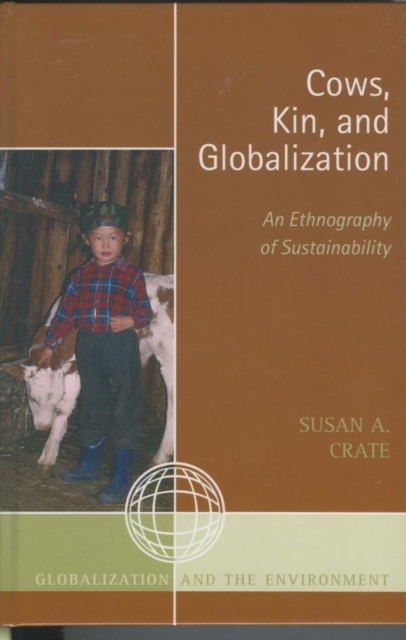
Crate presents the first cultural ecological study of a Siberian people: the Viliui Sakha, contemporary horse and cattle agropastoralists in northeastern Siberia.
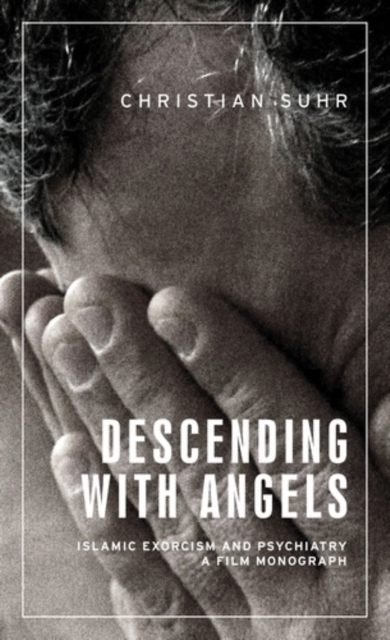
Over several years, Christian Suhr followed Muslim patients being treated for jinn possession and psychosis in a Danish mosque and in a psychiatric hospital.
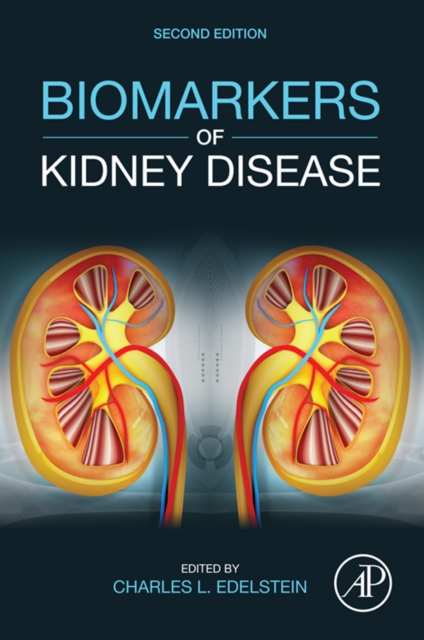
Biomarkers of Kidney Disease, Second Edition, focuses on the basic and clinical research of biomarkers in common kidney diseases, detailing the characteristics of an ideal biomarker.
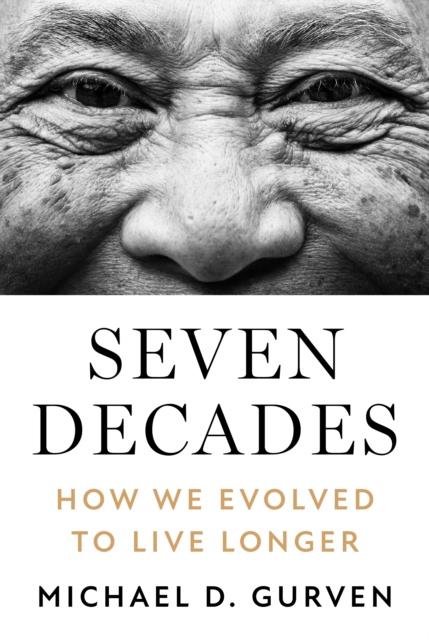
An anthropologist uncovers new evidence for the evolutionary origins of human longevityand explains why growing old is an opportunity, not a burdenOur ability to live for decades may seem like a modern luxury made possible by clean water and advances in medicine.
To the Western eye, there is something jarringly incongruous, even shocking, about the image of a six-year-old girl being held down by loving relatives so that her genitals can be cut.