Exploring the earliest literary evidence for human-animal relations, this volume presents and analyzes biblical and Mesopotamian (Sumerian, Assyrian, and Babylonian) sources from the third millennium BCE through to the consolidation of the biblical literature in the first millennium BCE.
The North American Wildlife Conservation Model (NAM) is the driver of a strong anthropocentric stance, which has legalized an ongoing, annual exploitation of hundreds of millions of wild animals, who are killed in the United States through trapping, hunting and other lethal practices.
This book argues that legal theory provides a jumping-off point for the study of controversial topics related to the work of Practicing Healthcare Ethicists (PHEs).
Alternative medicine (AM) is popular; about 40% of the US general population have used alternative treatment in the past year, and in Germany this figure is around 70%.
This book deals with the theme of creativity in the animal world, conceived as a basic function for adapting to specific situations and as a source of innovations and inventions.
This is the first monograph to deal with medicine as a form of hermeneutics, now in a thoroughly revised and updated edition, including a whole new chapter on medical ethics.
In this book, Christian Erk examines the ethical (im)permissibility of killing human beings in general and of selected killings in particular, namely suicide, lethal selfdefence, abortion and euthanasia, as well as organ transplantation and assisted suicide.
This book provides a brief introduction to the growing field of animal maltreatment evaluation and treatment, with a special emphasis on clinical training from a forensic psychology perspective.
This book provides a scientific and ethical approach to all forms of fraud and misconduct focusing on a scholarly however practice-oriented description of the problems, roots and potential solutions.
Reading Slaughter: Abattoir Fictions, Space, and Empathy in Late Modernity examines literary depictions of slaughterhouses from the development of the industrial abattoir in the late nineteenth century to today.
This book serves as an introduction to the concepts of medical biotechnology, with great details about fundamentals and early disciplines of study as well as emerging fields and the latest research.
This book addresses the fundamental conflict of interest that physicians face in their daily work lives between the ethics of proper medical care versus the demands of standard business practices.
This volume elucidates the pivotal ethical and legal issues arising from the use of brain organoids for research, therapeutic and enhancement purposes.
This book engages with some of the most pressing ethical issues that arise from the use of animals in various business practices, providing interdisciplinary approaches to improving the nonhuman and human lives in animal-related industries.
This book offers a comprehensive analysis of philosophical, social, ethical, and legal challenges arising as a consequences of current advances in neurosciences and neurotechnology.
The Covid pandemic has led us into an upheaval that has made us question the certainties underlying what it means to be a human being in our age; the ability to control medical and social facts through evidence.
This book provides a robust analysis of the history of clinical ethics, the philosophical theories that support its practice, and the practical institutional criteria needed to become a practicing clinical ethicist.
The book discusses geoscience issues in Peru from a geoethical perspective, based on the leading experience of the Peruvian section of the International Association for Promoting Geoethics, in its seven years of activity.
This book includes a number of distinct religious and secular views on the anthropological, ethical and social challenges of reproductive technologies in the light of human rights and in the context of global bioethics.
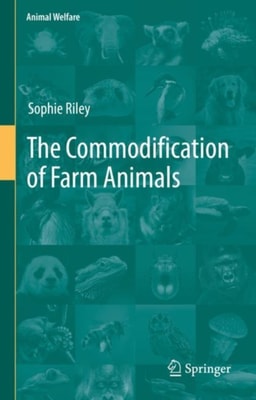
This book examines how the developments in veterinary science, philosophy, economics and law converged during the nineteenth and early twentieth centuries to entrench farm animals along a commodification pathway.
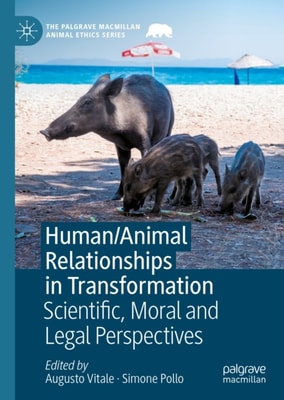
The ethics of human/animal relationships is a growing field of academic research and a topic for public discussion and regulatory interventions from law-makers, governments and private institutions.
Over the last decade, technical advances have allowed genomic testing which provides a great opportunity for diagnosis but also an increased chance of uncertain or unexpected findings.
This book addresses the many ethical issues and extraordinary risks that nurses and others are facing during the COVID-19 pandemic, which creates physical, emotional, and economic burdens, affecting nurses' overall health and well-being.
This book examines the works of major artists between the seventeenth and nineteenth centuries, as important barometers of individual and collective values toward non-human life.
The Sensory Modes of Animal Rhetorics: A Hoot in the Light presents the latest research in animal perception and cognition in the context of rhetorical theory.
This book describes the alarming condition of agriculture in the Anthropocene, when the ethical conception of agriculture as a service of common utility for both society and environment has progressively been marginalized.
This book configures a consistent epistemology of biolaw that distinguishes itself from bioethics and from a mere set of international instruments on the regulation of biomedical practices.
Animals, Museum Culture and Children's Literature in Nineteenth-Century Britain: Curious Beasties explores the relationship between the zoological and palaeontological specimens brought back from around the world in the long nineteenth century-be they alive, stuffed or fossilised-and the development of children's literature at this time.
This book examines the controversial and repercussive contention that an objective of the law should be to promote personal morality - to make people ethically better.