Discover the Hidden Forces Shaping Life on EarthHave you ever wondered how populations of animals, plants, and even humans fluctuate and sustain themselves over time?
Advances and Applications in Biotechnology: Volume 1-Prospects of Farm Animals and Future Developments explores the dynamic and evolving role of livestock in global agriculture, emphasizing sustainable practices, molecular innovations, and emerging technologies.
Discover the Hidden Forces Shaping Life on EarthHave you ever wondered how populations of animals, plants, and even humans fluctuate and sustain themselves over time?
Advances and Applications in Biotechnology: Volume 1-Prospects of Farm Animals and Future Developments explores the dynamic and evolving role of livestock in global agriculture, emphasizing sustainable practices, molecular innovations, and emerging technologies.
Dieses deutschsprachige Standardwerk deckt das gesamte Spektrum der Genetik ab, von der klassischen Formalgenetik bis hin zur Genomforschung und Gentechnologie.
Dieses deutschsprachige Standardwerk deckt das gesamte Spektrum der Genetik ab, von der klassischen Formalgenetik bis hin zur Genomforschung und Gentechnologie.
This book addresses the need to develop future crops that are highly resilient and adaptable to fluctuating environmental conditions, in order to sustain global food security in the years ahead.
The book Pharmacology of GPCRs Biased Signaling and Agonists explores the intricate world of G protein-coupled receptors (GPCRs), a diverse and crucial family of cell surface receptors that play a pivotal role in mediating the effects of various signaling molecules.
This book represents the synthesis of many current cancer theories, which combined, offers a novel and innovative approach in the diagnosis, prevention, and treatment of cancer.
Due to the high prevalence of polypharmacy in older adults, there is a growing interest among healthcare facilities and practitioners to perform pharmacogenomic testing in this population.
This book represents the synthesis of many current cancer theories, which combined, offers a novel and innovative approach in the diagnosis, prevention, and treatment of cancer.
This book explores the emerging field of plant molecular farming, highlighting its potential in producing biopharmaceuticals, combating diseases, and advancing sustainable agriculture.
This book explores the emerging field of plant molecular farming, highlighting its potential in producing biopharmaceuticals, combating diseases, and advancing sustainable agriculture.
This contributed volume offers a comprehensive exploration of the latest breakthroughs in the fields of transcriptomics and epitranscriptomics, with an emphasis on understanding gene expression and RNA modifications in plants.
This contributed volume offers a comprehensive exploration of the latest breakthroughs in the fields of transcriptomics and epitranscriptomics, with an emphasis on understanding gene expression and RNA modifications in plants.
Due to the high prevalence of polypharmacy in older adults, there is a growing interest among healthcare facilities and practitioners to perform pharmacogenomic testing in this population.
This book offers the first comprehensive academic treatment of death-feigning behavior, a widespread yet understudied anti-predator strategy observed across the animal kingdom.
The book Pharmacology of GPCRs Biased Signaling and Agonists explores the intricate world of G protein-coupled receptors (GPCRs), a diverse and crucial family of cell surface receptors that play a pivotal role in mediating the effects of various signaling molecules.
This book explores the intricate world of epigenetics and its pivotal role in precision medicine and the identification of epigenetic biomarkers for patient stratification, highlighting the importance of non-coding RNAs (ncRNAs), DNA methylation and histone modifications.
This updated edition explores different spectroscopic and biophysical methods used to study the structure and folding of RNA and to follow their interactions with proteins.
This updated edition explores different spectroscopic and biophysical methods used to study the structure and folding of RNA and to follow their interactions with proteins.
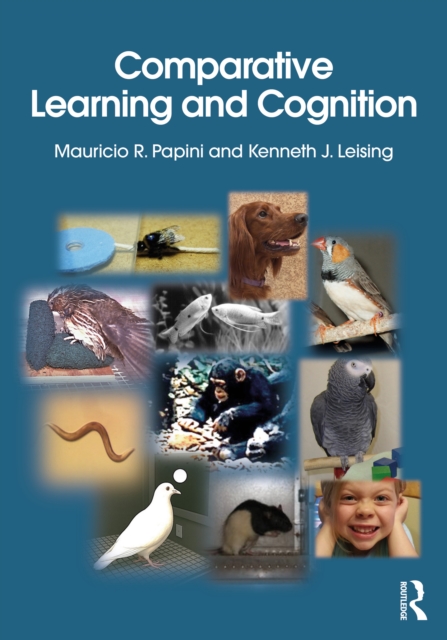
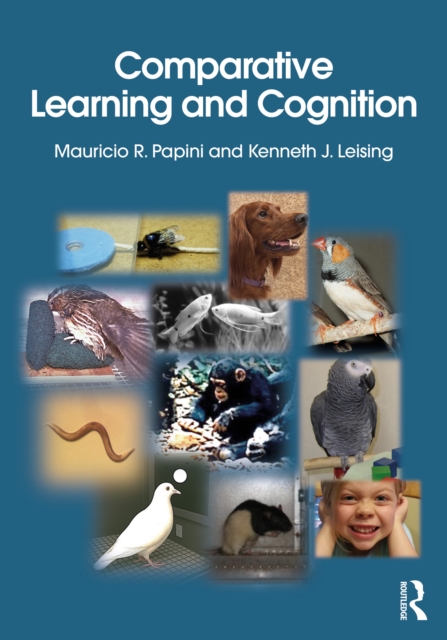
Comparative Learning and Cognition offers a comprehensive analysis of experimental and field research on learning, cognition, and behavior in nonhuman animals.
Comparative Learning and Cognition offers a comprehensive analysis of experimental and field research on learning, cognition, and behavior in nonhuman animals.
This comprehensive volume offers an in-depth exploration of the latest advancements in omics technologies and their practical applications across environmental science, agriculture, healthcare, and biotechnology.
This comprehensive volume offers an in-depth exploration of the latest advancements in omics technologies and their practical applications across environmental science, agriculture, healthcare, and biotechnology.
This book offers the first comprehensive academic treatment of death-feigning behavior, a widespread yet understudied anti-predator strategy observed across the animal kingdom.
This book explores the intricate world of epigenetics and its pivotal role in precision medicine and the identification of epigenetic biomarkers for patient stratification, highlighting the importance of non-coding RNAs (ncRNAs), DNA methylation and histone modifications.
This book addresses the need to develop future crops that are highly resilient and adaptable to fluctuating environmental conditions, in order to sustain global food security in the years ahead.
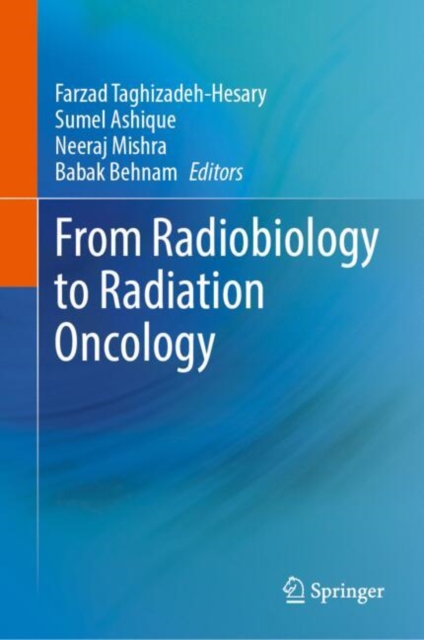
This book offers a wide perspective on the fundamental and state-of-the-art knowledge in radiobiology, radiation oncology, and the connection between both fields.
This book offers a wide perspective on the fundamental and state-of-the-art knowledge in radiobiology, radiation oncology, and the connection between both fields.
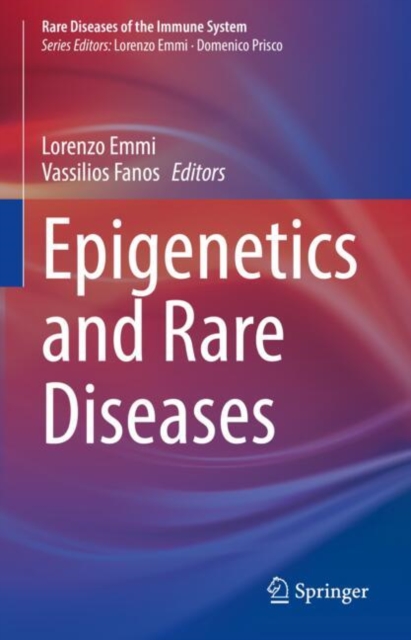
Epigenetics, as well as all -omics fields of study, such as transcriptomics, proteomics and metabolomics, have caused a revolution in all branches of medicine in recent years.
Epigenetics, as well as all -omics fields of study, such as transcriptomics, proteomics and metabolomics, have caused a revolution in all branches of medicine in recent years.