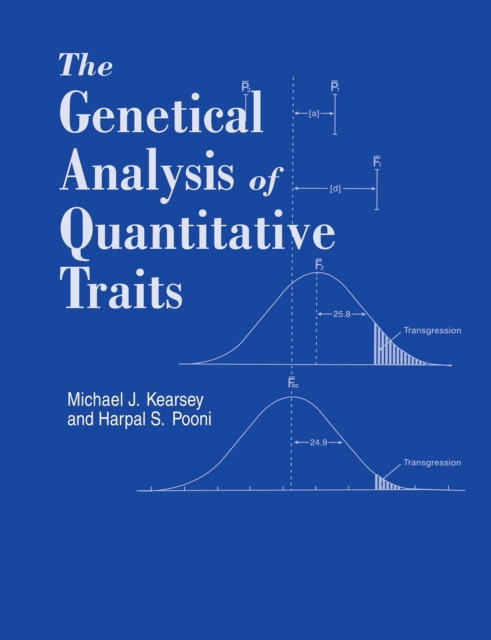
This text provides a guide to the experimental and analytical methodologies available to study quantitative traits, a review of the genetic control of quantitative traits, and a discussion of how this knowledge can be applied to breeding problems and evolution.
Phylogenomics: A Primer, Second Edition is for advanced undergraduate and graduate biology students studying molecular biology, comparative biology, evolution, genomics, and biodiversity.
Phylogenomics: A Primer, Second Edition is for advanced undergraduate and graduate biology students studying molecular biology, comparative biology, evolution, genomics, and biodiversity.
One of the oldest scientific traditions, plant breeding began in Neolithic times with methods as simple as saving the seeds of desirable plants and sowing them later.
One of the oldest scientific traditions, plant breeding began in Neolithic times with methods as simple as saving the seeds of desirable plants and sowing them later.
Forensic DNA Analysis: Technological Development and Innovative Applications provides a fascinating overview of new and innovative technologies and current applications in forensic genetics.
Forensic DNA Analysis: Technological Development and Innovative Applications provides a fascinating overview of new and innovative technologies and current applications in forensic genetics.
Originally published in 1987 Rates of Evolution is an edited collection drawn from a symposium convened to bring together palaeontologists, geneticists, molecular biologists and developmental biologists to examine some aspects of the problem of evolutionary rates.
Originally published in 1987 Rates of Evolution is an edited collection drawn from a symposium convened to bring together palaeontologists, geneticists, molecular biologists and developmental biologists to examine some aspects of the problem of evolutionary rates.
The Domestication of Humans explains the alternative to the African Eve model by attributing human modernity, not to a speciation event in Africa, but to the unintended self-domestication of humans.
The Domestication of Humans explains the alternative to the African Eve model by attributing human modernity, not to a speciation event in Africa, but to the unintended self-domestication of humans.
There is a new trend in anti-cancer therapeutics development: a targeted therapy and precision medicine that targets a subgroup of patients with specific biomarkers.
There is a new trend in anti-cancer therapeutics development: a targeted therapy and precision medicine that targets a subgroup of patients with specific biomarkers.
Exploring plant genetic resources is crucial in a time when food security has been a critical topic worldwide due to crop shortages and the impact of climate change.
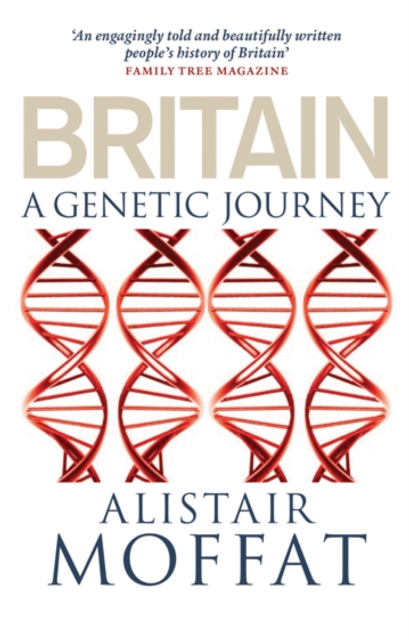
Based on exciting new research involving the largest sampling of DNA ever made in Britain, Alistair Moffat, author of the bestselling The Scots: A Genetic Journey , shows how all of us who live on these islands are immigrants.
Biological Identification provides a detailed review of, and potential future developments in, the technologies available to counter the threats to life and health posed by natural pathogens, toxins, and bioterrorism agents.
Epigenetics and Reproductive Health, a new volume in the Translational Epigenetics series, provides a thorough overview and discussion of epigenetics in reproduction and implications for reproductive medicine.
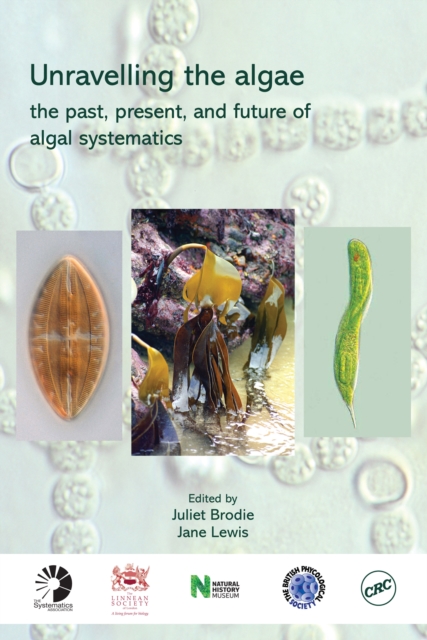
Acting as titans in global control of the biosphere and colonizing virtually all corners of the earth, algae, extremely diverse and numerous oxygenic, photosynthetic organisms, can be major players in and drivers of environmental change.
This book highlights key findings generated during the past years from the main disciplines that constitute Physical Virology, from theoretical physics and simulations to material sciences and vaccines development to structural biology.
What might the cinema tell us about how and why the prospect of cloning disturbs our most profound ideas about gender, sexuality, difference, and the body?
For much of the twentieth century scientists sought to explain objects and processes by reducing them to their components-nuclei into protons and neutrons, proteins into amino acids, and so on-but over the past forty years there has been a marked turn toward explaining phenomena by building them up rather than breaking them down.
While the creation of Dolly the sheep, the world's most famous clone, triggered an enormous amount of discussion about human cloning, in Dolly Mixtures the anthropologist Sarah Franklin looks beyond that much-rehearsed controversy to some of the other reasons why the iconic animal's birth and death were significant.
In light of scientific advances such as genomics, predictive diagnostics, genetically engineered agriculture, nuclear transfer cloning, and the manipulation of stem cells, the idea that genes carry predetermined molecular programs or blueprints is pervasive.
In recent decades, Susan Oyama and her colleagues in the burgeoning field of developmental systems theory have rejected the determinism inherent in the nature/nurture debate, arguing that behavior cannot be reduced to distinct biological or environmental causes.
In genetics laboratories in Latin America, scientists have been mapping the genomes of local populations, seeking to locate the genetic basis of complex diseases and to trace population histories.
Artificial Intelligence, Machine Learning, and Deep Learning in Precision Medicine and Liver Diseases: Concept, Technology, Application, and Perspectives combines four major applications of artificial intelligence (AI) within the field of clinical medicine specific to liver diseases: radiology imaging, electronic health records, pathology, and multiomics.