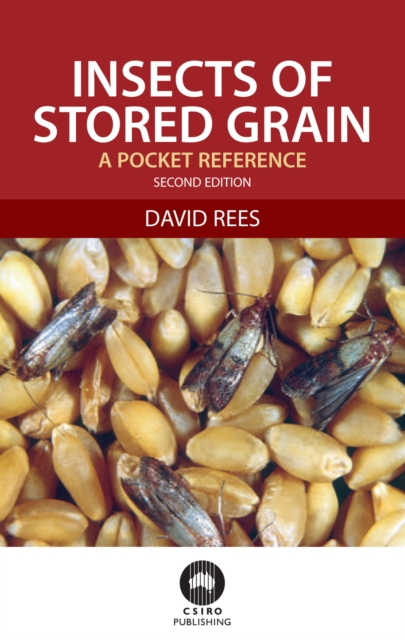
A pocket reference that allows the non-specialist to identify major insect and arachnid pests found in stored cereal grains, grain products and grain legumes.
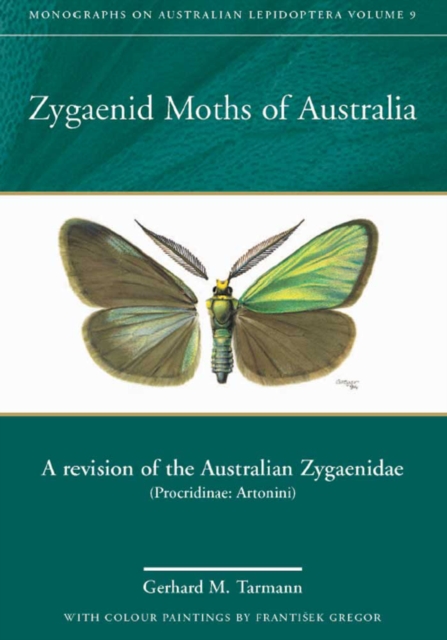
Moths are often thought of as the ugly cousins of butterflies, yet their colours can be just as remarkable and, with over 20,000 species in Australia, their biology and lifestyles are far more diverse.
Olethreutine moths often have fruit-boring larvae and this economically important group includes many horticultural pests such as codling moths, Oriental fruit moths and macadamia nut borers.
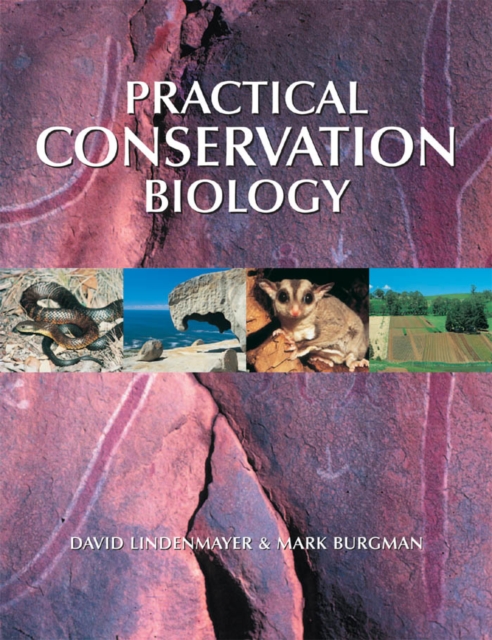
Practical Conservation Biology covers the complete array of topics that are central to conservation biology and natural resource management, thus providing the essential framework for under-graduate and post-graduate courses in these subject areas.
Shorebirds of Australia brings together the latest information about the evolution, ecology and behaviour of shorebirds and how they are distributed in Australia.
Since it first became known to European scientists and naturalists in 1798, the platypus has been the subject of controversy, interest and absolute wonder.
Practical Conservation Biology covers the complete array of topics that are central to conservation biology and natural resource management, thus providing the essential framework for under-graduate and post-graduate courses in these subject areas.
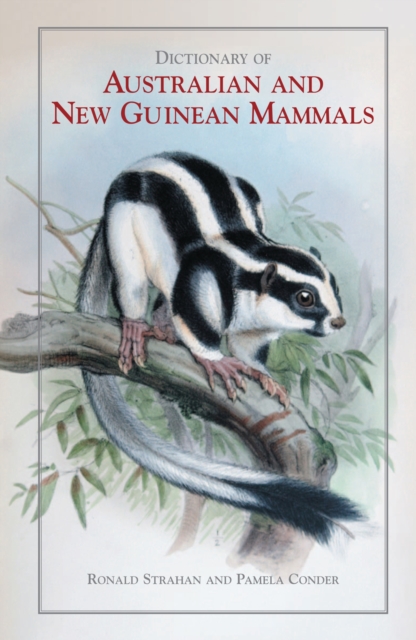
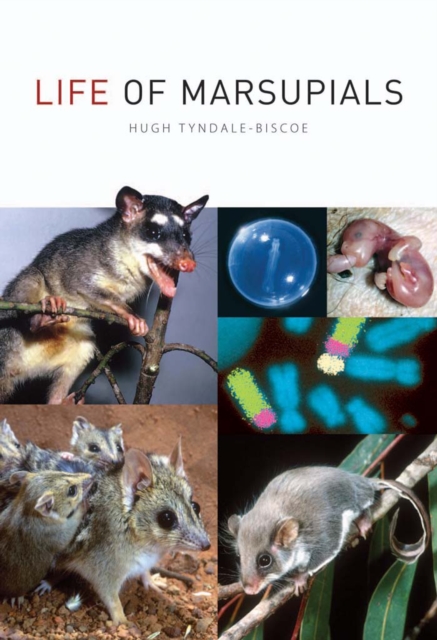
Over the past half a century research has revealed that marsupials - far from being 'second class' mammals - have adaptations for particular ways of life quite equal to their placental counterparts.
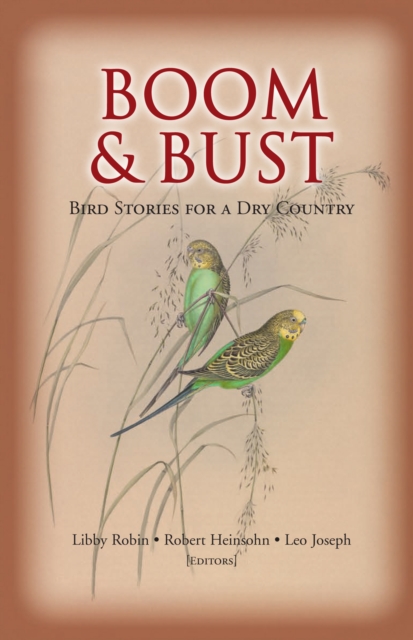
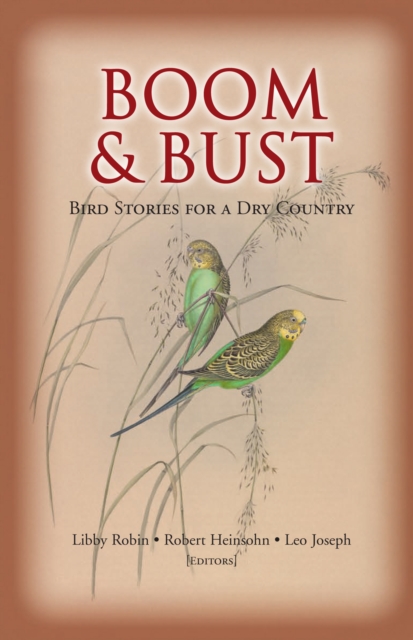
In Boom and Bust, the authors draw on the natural history of Australia's charismatic birds to explore the relations between fauna, people and environment in a continent where variability is 'normal' and rainfall patterns not always seasonal.
This three-volume series represents a comprehensive treatment of the beetles of Australia, a relatively under-studied fauna that includes many unusual and unique lineages found nowhere else on Earth.
In Boom and Bust, the authors draw on the natural history of Australia's charismatic birds to explore the relations between fauna, people and environment in a continent where variability is 'normal' and rainfall patterns not always seasonal.
This is the first comprehensive, reliable, well-illustrated book covering the enormous diversity of Australian moths, summarising our knowledge of them by the acknowledged experts in the field.
Over the past half a century research has revealed that marsupials – far from being ‘second class’ mammals – have adaptations for particular ways of life quite equal to their placental counterparts.
Over the course of a scientific career spanning more than fifty years, Alex Grossmann (1930-2019) made many important contributions to a wide range of areas including, among others, mathematics, numerical analysis, physics, genetics, and biology.
Stephen Jay Gould (1941-2002) was a leading critic of human behavioral genetics, human sociobiology, evolutionary psychology, and the modern evolutionary synthesis.
Over the course of a scientific career spanning more than fifty years, Alex Grossmann (1930-2019) made many important contributions to a wide range of areas including, among others, mathematics, numerical analysis, physics, genetics, and biology.
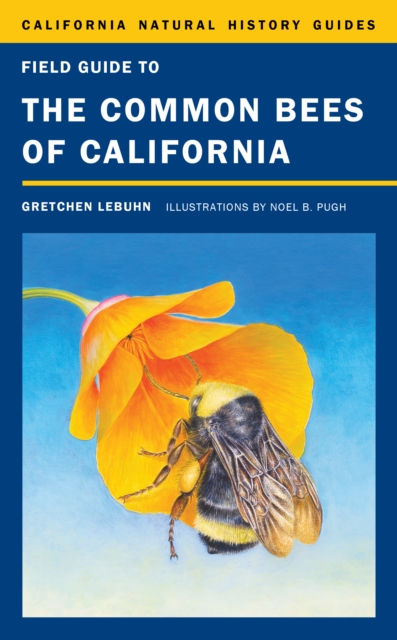
This engaging and easy-to-use natural history guidebook provides a thorough overview of native and honey bee biology and offers tools for identifying the most common bees of California and the Western United States.
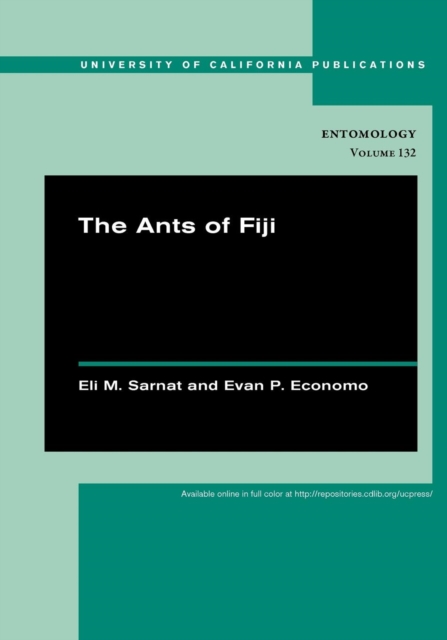
The ant fauna of the Fijian archipelago is a diverse assemblage of endemic radiations, pan-Pacific species, and exotics introduced from around the world.