The purpose of this edited book is to bring together the ideas and findings of data mining researchers and bioinformaticians by discussing cutting-edge research topics such as, gene expressions, protein/RNA structure prediction, phylogenetics, sequence and structural motifs, genomics and proteomics, gene findings, drug design, RNAi and microRNA analysis, text mining in bioinformatics, modelling of biochemical pathways, biomedical ontologies, system biology and pathways, and biological database management.
This book explores existing and potential strategies for using the genome sequences of human, mouse, other vertebrates and human pathogens to solve key problems in the treatment of immunological diseases and chronic infections.
Praise from the reviews: "e;Without reservation, I endorse this text as the best resource I've encountered that neatly introduces and summarizes many points I've learned through years of experience.
The new science of nutrigenomics and its ethical and societal challenges Gene-diet interactions--which underlie relatively benign lactose intolerance to life-threatening conditions such as cardiovascular disease--have long been known.
Current applications and recent advances in genomics and proteomics Genomics and Proteomics Engineering in Medicine and Biology presents a well-rounded, interdisciplinary discussion of a topic that is at the cutting edge of both molecular biology and bioengineering.
Advances in Genetics provides the latest information on the rapidly evolving field of genetics, presenting new medical breakthroughs that are occurring as a result of advances in our knowledge of the topic.
The book contains contributions concerning the application of the new instrumental and methodological developments in omics technologies, including those related to Genomics, Transcriptomics, Proteomics, Peptidomics and Metabolomics, Lipidomics and Foodomics.
Application of Mutation Breeding Methods in the Improvement of Vegetatively Propagated Crops: An Interpretive Literature Review summarizes advances in the use of artificially induced mutations to improve cultivated plants, particularly those that are vegetatively propagated.
Interaction of Translational and Transcriptional Controls in the Regulation of Gene Expression presents the proceedings of the Fogarty International Conference on Translational/Transcriptional Regulation of Gene Expression, held at the National Institutes of Health in Bethesda, Maryland, on April 7-9, 1982.
The compilation of this book was prompted by the necessity of a bench volume which could provide the necessary background information on materials, experimental design, pitfalls and dificulties, in order to perform a particular test in an acceptable way with a minimal need for additional expert help.
Distributed in the East European countries, Democratic People's Republic of Korea, People's Republic of Mongolia, Republic of Cuba and the Socialist Republic of Vietnam by Kultura, Budapest, HungaryThis volume presents the second part of brief characterizations and identification keys for oribatid mites inhabiting the Neotropical Region, as well as a check-list and bibliography of all described species from this area.
Catalogue of Palaearctic Diptera, Volume 7: Dolichopodidae-Platypezidae offers information on family Dolichopodidae and family Platypezidae, including type-species designation, authors, and proposed names.
Over the past few years there have been considerable advances in our understanding of cellular control mechanisms, and current research is now linking areas of biology that were previously thought of as being quite separate.
The conference on "e;RNA: Catalysis, Splicing, Evolution"e; brought together a unique assembly of scientific leaders in this currently very important field.
This book focuses on the nature, origins, and degeneracy (or redundancy) of viral regulatory elements and on the strategies that enable viruses to adapt to cells, examining experimental findings and models regarding HIV and HPV regulatory mechanisms.
The fields of molecular biology and genetics are faced with an enormous accumulation of information: DNA sequencing, associated sequences of amino acids in proteins, genetics, macromolecular structures and other sets have created a quantitative backlog of data which needs to be organized and analyzed.
Advances in genetic technology in general and medical genetics in particular will enable us to intervene in the process of human biological development which extends from zygotes and embryos to people.
In a series of provocative conversations with Skeptic magazine Ssenior editor Frank Miele, renowned University of California-Berkeley psychologist Arthur R.
This book focuses on the nature, origins, and degeneracy (or redundancy) of viral regulatory elements and on the strategies that enable viruses to adapt to cells, examining experimental findings and models regarding HIV and HPV regulatory mechanisms.
The fields of molecular biology and genetics are faced with an enormous accumulation of information: DNA sequencing, associated sequences of amino acids in proteins, genetics, macromolecular structures and other sets have created a quantitative backlog of data which needs to be organized and analyzed.
Advances in genetic technology in general and medical genetics in particular will enable us to intervene in the process of human biological development which extends from zygotes and embryos to people.
In a series of provocative conversations with Skeptic magazine Ssenior editor Frank Miele, renowned University of California-Berkeley psychologist Arthur R.
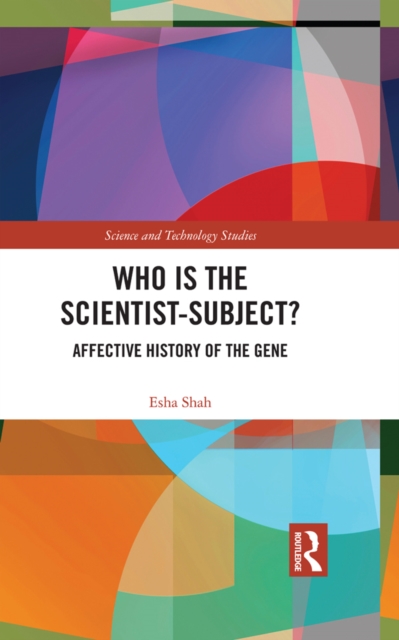
This book explores two disparate sets of debates in the history and philosophy of the life sciences: the history of subjectivity in shaping objective science and the history of dominance of reductionism in molecular biology.
This book explores two disparate sets of debates in the history and philosophy of the life sciences: the history of subjectivity in shaping objective science and the history of dominance of reductionism in molecular biology.
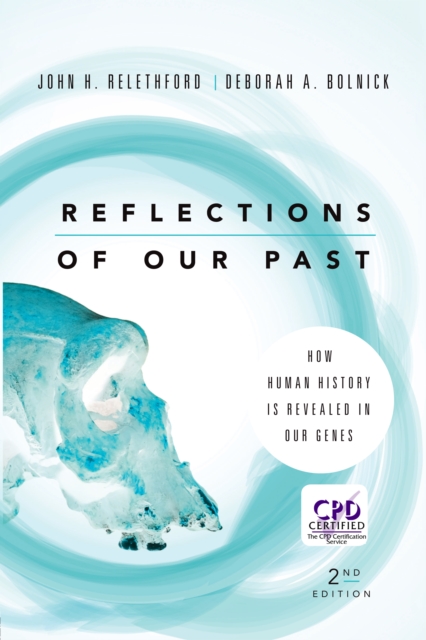
The rise of the multi-billion dollar ancestry testing industry points to one immutable truth about us as human beings: we want to know where we come from and who our ancestors were.
The rise of the multi-billion dollar ancestry testing industry points to one immutable truth about us as human beings: we want to know where we come from and who our ancestors were.
Defense-related Proteins in Plants presents detailed information on the identification, characterization, mechanism of action, and application in crop improvement programs of these mechanisms in a single, cohesive volume.
First published in 1998, this was the first book to present a comprehensive summary of both the global as well as institutional issues which are involved in biotechnology sharing.
First published in 1998, this was the first book to present a comprehensive summary of both the global as well as institutional issues which are involved in biotechnology sharing.