This series, established by Victor Gold in 1963, brings before the chemical community substantial, authoritative, and considered reviews of areas of chemistry in which quantitative methods are used in the study of the structures of organic compounds and their relation to physical and chemical properties.
This is a well-established series for the publication of authoritative reviews on the methods and results of the application of quantitative physical and mathematical methods to organic chemistry.
Insect physiology is currently undergoing a revolution with the increased application of molecular biological techniques to investigate the molecular mechanisms underlying the physiological responses to insect cells.
Insect physiology is currently undergoing a revolution with the increased application of molecular biological techniques to investigate the molecular mechanisms underlying the physiological responses to insect cells.
Insect Physiology is currently undergoing a revolution with the increased application of molecular biological techniques to investigate the molecular mechanisms underlying the physiological responses to insect cells.
The latest volume in this distiguished series provides more up-to-date reviews on topical subjects of importance to all invertebrate physiologists and neurobiologists.
This latest volume in this series contains articles on a variety of insect physiological topics from the nervous system to the cuticle and circulatory system.
Ig A DeficiencyThe Role of Cellular Immunity in Protection against HIV InfectionMouse Mammary Tumour Virus: Immunological Interplays between Virus and HostThe Transporter Associated with Antigen ProcessingNF-kB in cytokine gene expressionNF-kB as a target for immunosuppressive and anti-inflammatory molecules- The Role of Cellular Immunity in Protection against HIV Infection- Mouse Mammary Tumor Virus: Immunological Interplays between Virus and Host- The Transporter Associated with Antigen Processing- NF-kB in cytokine gene expression- NF-kB as a target for immunosuppressive and anti-inflammatory molecules
Guide to Yeast Genetics and Molecular Biology presents, for the first time, a comprehensive compilation of the protocols and procedures that have made Saccharomyces cerevisiae such a facile system for all researchers in molecular and cell biology.
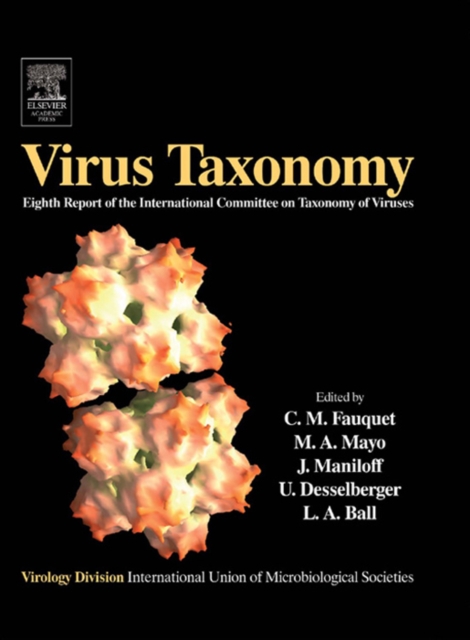
Virus Taxonomy is a standard and comprehensive source for the classification of viruses, created by the International Committee of the Taxonomy of Viruses.
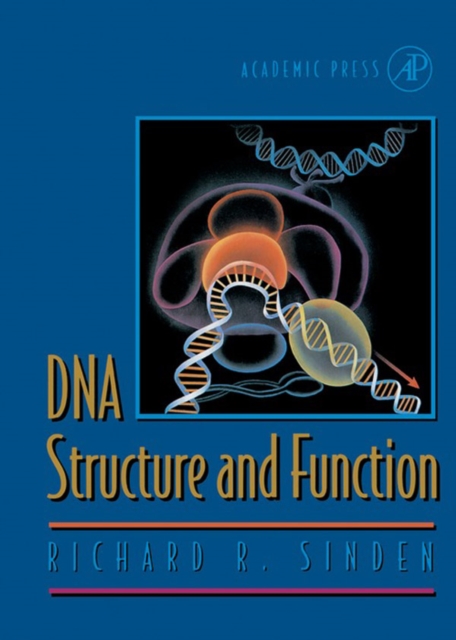
DNA Structure and Function, a timely and comprehensive resource, is intended for any student or scientist interested in DNA structure and its biological implications.
The content of this volume is designed to reach a wide audience, including those involved with relevant technologies such as electrophoresis and mass spectrometry, to those interested in how proteomics can benefit research.
Advances in Genetics increases its focus on modern human genetics and its relation to medicine with the merger of this long-standing serial with Molecular Genetic Medicine.
This volume of Advances in Genetics illustrates the series goal to publish the most current, up-to-date reviews in the field of molecular and human genetics.