The critically acclaimed laboratory standard for more than forty years, Methods in Enzymology is one of the most highly respected publications in the field of biochemistry.
The critically acclaimed laboratory standard for more than forty years, Methods in Enzymology is one of the most highly respected publications in the field of biochemistry.
Antisense technology is the ability to manipulate gene expression within mammalian cells providing powerful experimental approaches for the study of gene function and gene regulation.
Containing a comprehensive collection of convenient and quantitative methods for studying centrosomes, spindle pole bodies and related organelles, this text is a valuable resource for researchers and others interested in studying the role of these organelles in cell replication.
The chapters in CYTOMETRY MCB volumes, including this 4th Edition, provide comprehensive description of particular cytometric methods and review their applications.
This volume of the acclaimed Methods in Cell Biology series provides specific examples of applications of confocal microscopy to cell biological problems.
The Second Edition of Gene Therapy of Cancer provides crucial updates on the basic science and ongoing research in this field, examining the state of the art technology in gene therapy and its therapeutic applications to the treatment of cancer.
Advances in Genetics increases its focus on modern human genetics and its relation to medicine with the merger of this long-standing serial with Molecular Genetic Medicine.
This book discusses the different regulatory pathways for Advanced Therapy Medicinal Products implemented by national agencies in North and South America, Europe and Asia and by international bodies in the effort of international harmonization.
This volume of Current Topics in Developmental Biology showcases the research and therapeutic value of stem cells, and is proof of the increasing maturation of the fields of regenerative and molecular medicine.
Together with other volumes in this series, Volume 55 presents thoughtful and forward-looking articles on developmental biology and developmental medicine.
Homology Effects offers contributions from an international panel of researchers whose aim has been both to introduce newcomers to the field of homology effects, and to bring colleagues up to date.
This book discusses the role of microbes in agriculture for plant attributes, soil fertility, and bio-remediation, which aid in sustainable agriculture.
This book provides deep insights into the ecology of the plague bacterium Yersinia pestis in natural foci, its diversity, genetic variability and the function of the vector, thus painting a holistic picture of how plague pandemics have evolved and how the bacterium has adapted perfectly to its environment over such a long period of time.
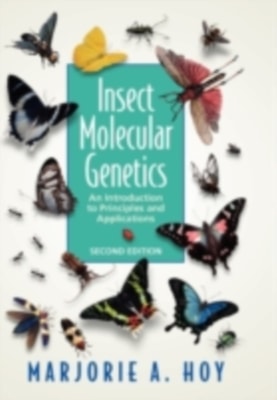
Insect Molecular Genetics, 2nd edition, is a succinct book that briefly introduces graduate and undergraduate students to molecular genetics and the techniques used in this well established and important discipline.
As per the reports of FAO, the human population will rise to 9 billion by the end of 2050 and 70% of more food must be produced over the next three decades to feed the additional population.
This book provides deep insights into the ecology of the plague bacterium Yersinia pestis in natural foci, its diversity, genetic variability and the function of the vector, thus painting a holistic picture of how plague pandemics have evolved and how the bacterium has adapted perfectly to its environment over such a long period of time.
Sequence analyses of numerous fungal genomes over the past two decades have provided us with extensive insights into the phylogenetic relationships of fungi and the distribution of genes and their inferred functions, across the fungal kingdom.
Targeted Genome Engineering via CRISPR/Cas9 in Plants provides in-depth insights into the use of the emerging "e;CRISPR/Cas9"e; technology for precise genome editing.
Significant advances in our knowledge of genetics were made during the twentieth century but in the most recent decades, genetic research has dramatically increased its impact throughout society.
The critically acclaimed laboratory standard for more than fifty years, Methods in Enzymology is one of the most highly respected publications in the field of biochemistry.
This second edition of a very successful text reflects the tremendous pace of human genetics research and the demands that it places on society to understand and absorb its basic implications.