Following the completion of the mouse and human genome sequences, a major challengeisthefunctionalcharacterizationofeverymammaliangeneandthedeciph- ing of their molecular interaction network.
Structural genomics is a newly emerging field that has arisen following the successful footsteps of the major sequencing efforts generally bundled under the heading "e;genomics"e;.
A DNA barcode in its simplest definition is one or more short gene sequences taken from a standardized portion of the genome that is used to identify species through reference to DNA sequence libraries or databases.
Once a tedious, highly skilled operation, reverse-transcription polymerase chain reaction (RT-PCR) has become a routine and invaluable technique used in most laboratories.
Focusing on two-dimensional electrophoresis (2-DE), this book sets forth the principles and recent developments of sample preparation and fractionation tools in expression proteomics.
Plant genomics is a growing and constantly evolving field of study, one which has gained much ground in past years through the development of advanced research and data management tools.
Fluorescence in situ Hybridization (FISH) belongs to that special category of well-established molecular biology techniques that, since their inception a few decades ago, have succeeded in keeping a prominent position within the constantly expanding list of laboratory pro- dures for biomedical research and clinical diagnostics.
Metagenomics has proven to be a powerful tool for exploring the ecology, metabolic profiling, and comparison of complex microbial communities as well as its important applications in the mining of metagenomes for genes encoding novel biocatalysts and drug molecules for bioindustries.
Due to their novel concepts and extraordinary high-throughput sequencing capacity, the "e;next generation sequencing"e; methods allow scientists to grasp system-wide landscapes of the complex molecular events taking place in various biological systems, including microorganisms and microbial communities.
Phytoplasmas are a group of bacteria that are capable of multiplying and causing severe diseases in a wide range of plant species and are transported between plants by insect vectors in which the bacteria can also multiply.
Plants are amazing organisms to study, some are important sources for pharmaceuticals, and others can help to elucidate molecular mechanisms required for a plant's development and its interactions with the biotic or abiotic environment.
Since the discovery of DNA structure and throughout the ensuing "e;DNA era"e;, the field of DNA replication has expanded to cover a vast number of experimental systems.
The discovery of wide-spread RNA-based regulation in bacteria has led to new evaluations of the importance of bacterial regulatory RNA in every aspect of bacterial physiology.
Many fundamental discoveries concerning epigenetics and the elucidation of mechanisms of epigenetic regulation have developed from studies performed in plants.
Lymphomas are lymphoid malignancies derived from B or T lymphocytes, and their study has been and still is paradigmatic for many aspects of cancer research.
Central to the synthesis of proteins, the performance of catalysis, and many other physiological processes, the aberrant expression of which can be linked to human diseases including cancers, RNA has proven to be key target for therapeutics as well as a tool for therapy.
After the generation of genome sequence data from a wide variety of plants, databases are filled with sequence information of genes with no known biological function, and while bioinformatics tools can help analyze genome sequences and predict gene structures, experimental approaches to discover gene functions need to be widely implemented.
Gene therapy offers many conceptual advantages to treat muscle diseases, especially various forms of muscular dystrophies; however, it faces a number of unique challenges, including the need to deliver a therapeutic vector to all muscles throughout the body.
This laboratory manual, published in cooperation with the International Society for Transgenic Technology (ISTT), provides almost all current methods that can be applied to the creation and analysis of genetically modified animals.
Very Short Introductions: Brilliant, Sharp, Inspiring In this exploration of the concept of the gene, Jonathan Slack looks at the discovery, nature, and role of genes in both evolution and development.
Developing Sustainable and Health Promoting Cereals and Pseudocereals: Conventional and Molecular Breeding reviews the most recent developments in the fields of cereal and pseudocereal breeding, with particular emphasis on the latest biotechnological techniques likely to lead to breakthrough changes in plant breeding.
Micropropagation is a reliable technology applied commercially worldwide for large-scale plant multiplication, germplasm conservation, pathogen elimination, genetic manipulations and supply of selected plants.
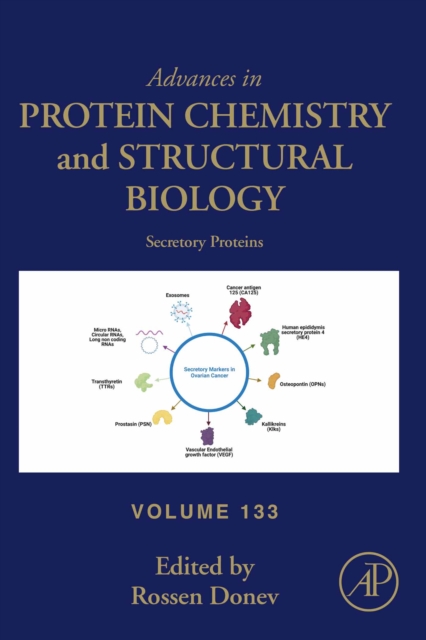
Secretory Proteins, Volume 133 in the Advances in Protein Chemistry and Structural Biology series highlights new advances in the field, including chapters on Proprotein Convertases regulate trafficking and maturation of key proteins within the secretory pathway, Secretory Proteins in Cancer Diagnosis, Senescent Cells and SASP in Cancer Microenvironment: new approaches in cancer therapy, Autophagy for secretory protein: Therapeutic targets in cancer, Secretory proteins and pathways of secretion of osteosarcoma, Monocyte secretory proteins as drug targets for arresting progression of atherosclerosis, The secretory phenotypes of envenomed cells: insights into venom cytotoxicity, Macromolecules for secretory pathway in SARS-CoV-2 infection, and much more.
Sex and Cohabitation Among Early Humans: Anthropological and Genetic Evidence for Interbreeding Among Early Humans explores the available information regarding interbreeding among different ancestral human species.