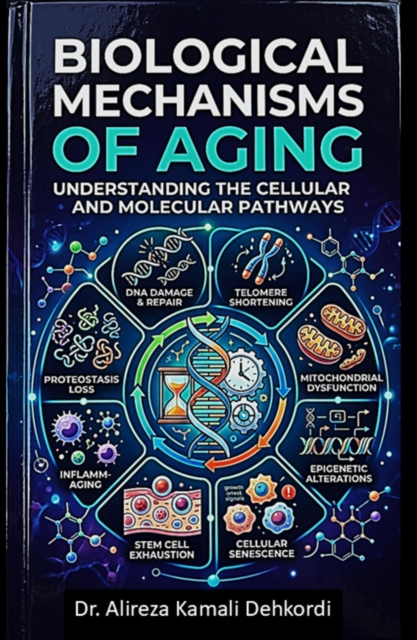
Abstract Aging is a progressive, systemic decline in biological function driven by interconnected molecular and cellular processes that accumulate across the lifespan.
This book presents a comprehensive overview of intricate mechanisms of virulence, antimicrobial resistance, immune evasion, and biofilm formation of Staphylococcus aureus.
This book presents a comprehensive overview of intricate mechanisms of virulence, antimicrobial resistance, immune evasion, and biofilm formation of Staphylococcus aureus.
This book presents a detailed exploration of the genetic, molecular, and environmental variables in the progression of solar radiation induced skin cancer, or photocarcinoma.
This book presents a detailed exploration of the genetic, molecular, and environmental variables in the progression of solar radiation induced skin cancer, or photocarcinoma.
Metagenomics for Microbiology, Second Edition unveils the intricate and diverse world of microbial communities, emphasizing their critical roles in health, disease, and ecosystem functionality.
This second volume on meta-omics technologies brings together the rapidly growing facets of this discipline, focusing on its application in crop improvement.
This contributed volume offers cutting-edge insights into managing both abiotic and biotic stress in Brassica crops like mustard, rapeseed, cabbage, and radish.
This contributed volume offers cutting-edge insights into managing both abiotic and biotic stress in Brassica crops like mustard, rapeseed, cabbage, and radish.
This second volume on meta-omics technologies brings together the rapidly growing facets of this discipline, focusing on its application in crop improvement.
Forensic Investigative Genetic Genealogy (FIGG) and DNA Evidence is a vital guide for professionals and practitioners, providing the most complete and current view of the use of DNA from crime scenes and its comparison with DNA test results available on online databases.
ncRNAs in Abiotic Stress Tolerance in Plants offers a timely and comprehensive examination of non-coding RNAs (ncRNAs) and their pivotal role in regulating plant responses to biotic and abiotic stresses.
Forensic Investigative Genetic Genealogy (FIGG) and DNA Evidence is a vital guide for professionals and practitioners, providing the most complete and current view of the use of DNA from crime scenes and its comparison with DNA test results available on online databases.
ncRNAs in Abiotic Stress Tolerance in Plants offers a timely and comprehensive examination of non-coding RNAs (ncRNAs) and their pivotal role in regulating plant responses to biotic and abiotic stresses.
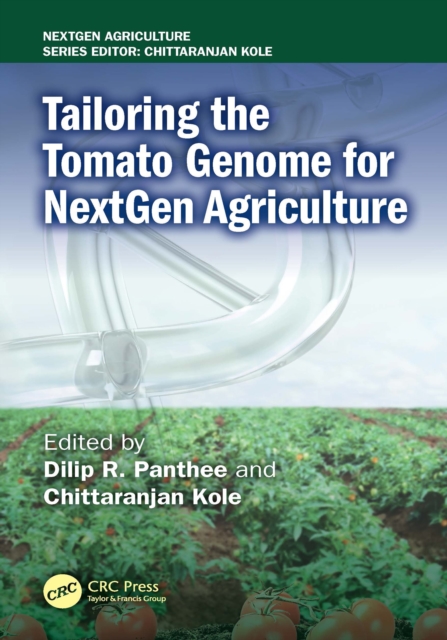
Tailoring the Tomato Genome for NextGen Agriculture gives a comprehensive view of the modern revolution in tomato breeding-bridging classical genetics with modern molecular and data-driven innovations.
Tailoring the Tomato Genome for NextGen Agriculture gives a comprehensive view of the modern revolution in tomato breeding-bridging classical genetics with modern molecular and data-driven innovations.
This book sheds light on genotype × environment interactions in plant breeding, providing a detailed examination of how these interactions affect crop performance and yield stability.
This book sheds light on genotype × environment interactions in plant breeding, providing a detailed examination of how these interactions affect crop performance and yield stability.
With one volume each year, this series keeps scientists and advanced students informed of the latest developments and results in all areas of the plant sciences.
With one volume each year, this series keeps scientists and advanced students informed of the latest developments and results in all areas of the plant sciences.
With regard to global climate changes, one of our future challenges will be to develop crop plants that cope better with changing environmental conditions.
With one volume each year, this series keeps scientists and advanced students informed of the latest developments and results in all areas of the plant sciences.
This book presents the latest research on combination cancer therapy and the transformative role of microRNA (miRNA) modulation in improving treatment precision and outcomes.