A geneticist and internationally recognized anti-racism educator provides a powerful, science-based rebuttal to common fallacies about human difference.
It is widely recognized that analytical technologies and techniques are playing a pioneering role in a range of today's foremost challenging scientific endeavours, including especially biological and biomedical research.
SHORTLISTED FOR THE 2018 BAILLIE GIFFORD PRIZE FOR NON-FICTIONShe Has Her Mother's Laugh presents a profoundly original perspective on what we pass along from generation to generation.
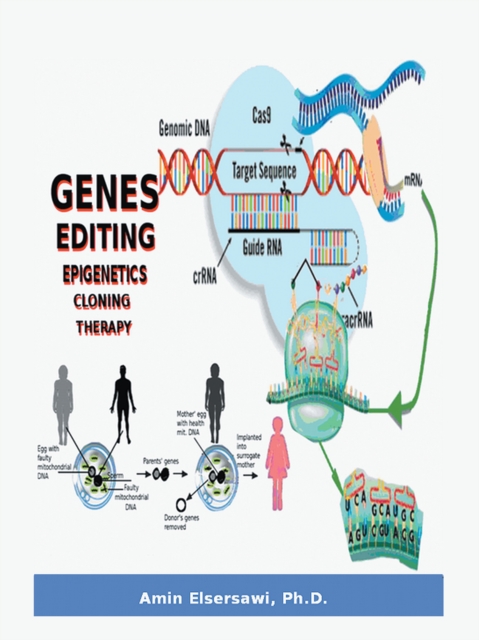
Simple clear and detailed descriptions of complex subjects like transcription, translation, protein synthesis, mutation, non-coding genes, exons, introns, DNA methylation, restriction enzymes and recombinant DNA.
This book illuminates the essential role of plant genetic resources (PGR) in tackling global challenges such as climate change, desertification, and salinization of agricultural land.
This book describes the origin of Western ethics in the teachings of the Hebrew scriptures, voiced by Biblical figures claiming to receive messages from God.
**Selected for 2025 Doody's Core Titles(R) in Clinical Genetics**For decades, Emery and Rimoin's Principles and Practice of Medical Genetics and Genomics has served as the ultimate resource for clinicians integrating genetics and genomics into medical practice.
As per the reports of FAO, the human population will rise to 9 billion by the end of 2050 and 70% of more food must be produced over the next three decades to feed the additional population.
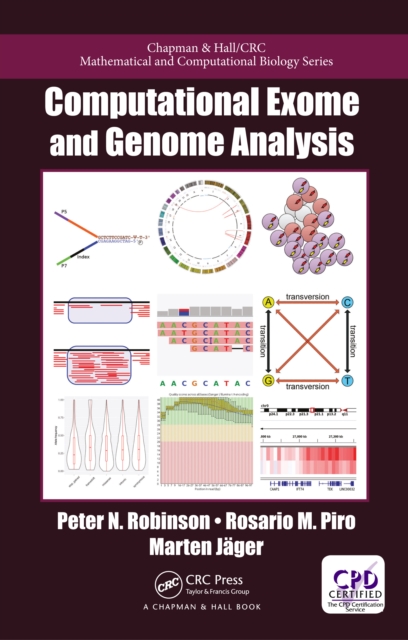
Exome and genome sequencing are revolutionizing medical research and diagnostics, but the computational analysis of the data has become an extremely heterogeneous and often challenging area of bioinformatics.
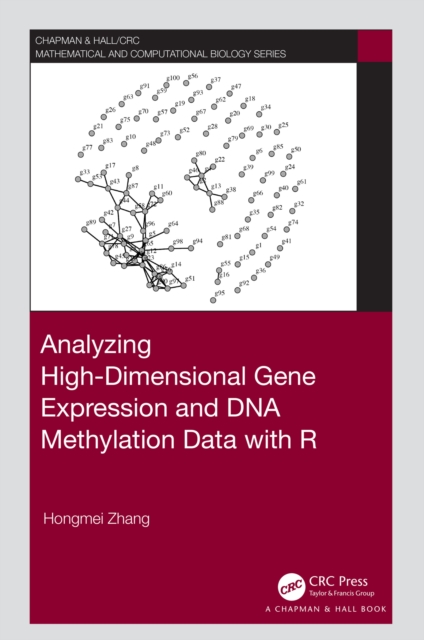
Analyzing high-dimensional gene expression and DNA methylation data with R is the first practical book that shows a ``pipeline"e; of analytical methods with concrete examples starting from raw gene expression and DNA methylation data at the genome scale.
This innovative book provides a unique perspective on the biomedical and societal implications of personalized medicine and how it will help mitigate the healthcare crisis and rein in ever-growing expenditure.
A truly international and multi-disciplinary compendium of current best practices authored by top practitioners from around the world, the book covers current trends and technology advances in the following disciplines within forensic science: bloodstain pattern analysis, forensic photography, ballistics, latent prints, forensic genetics and DNA, questioned documents, forensic toxicology, forensic clinical medicine, forensic pathology, forensic odontology, forensic anthropology, forensic entomology, forensic biometry, forensic psychology and profiling, law comparison and ethics, and much more.
Earlier books on the handling of plant chromosomes have not included many of the innovations in cytological techniques for many important crops that have become available in recent years, including information on associating genes with chromosomes.
Many of our current agricultural crops are natural or agricultural hybrids (between two or more species), or polyploids (containing more than one genome or set of chromosomes).
A single source reference covering every aspect of biotechnology, Biotechnology Fundamentals, Second Edition breaks down the basic fundamentals of this discipline, and highlights both conventional and modern approaches unique to the industry.
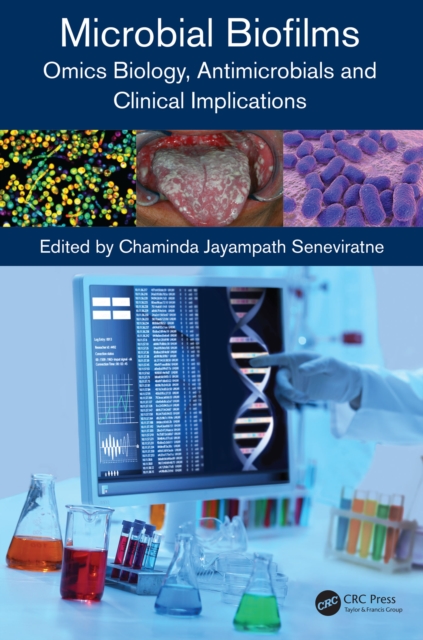
Microbial Biofilms: Omics Biology, Antimicrobials and Clinical Implications is a comprehensive survey of microbial biofilms and their role in human health and disease with contributions from world renowned experts in molecular microbiology, proteomics, genomics, metabolomics and infectious diseases.
An invaluable resource for computational biologists and researchers from other fields seeking an introduction to the topic, Chromatin: Structure, Dynamics, Regulation offers comprehensive coverage of this dynamic interdisciplinary field, from the basics to the latest research.
Originally published in 1982 by Pearson/Prentice-Hall, the Forensic Science Handbook, Third Edition has been fully updated and revised to include the latest developments in scientific testing, analysis, and interpretation of forensic evidence.
The Extended Specimen highlights the research potential for ornithological specimens, and is meant to encourage ornithologists poised to initiate a renaissance in collections-based ornithological research.
This book delineates how systems biology, pharmacogenomic, and behavioral approaches, as applied to neurodevelopmental toxicology, provide a structure to arrange information in a biological model.
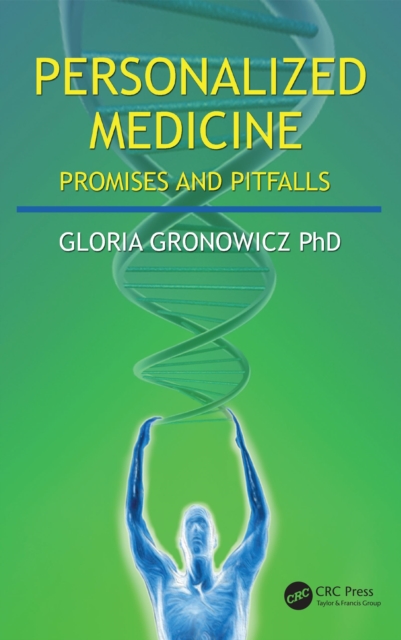
Personalized Medicine: Promises and Pitfalls broadly explores the tailoring of medical treatment to a patient's characteristics, needs, and preferences during all stages of care, including prevention, diagnosis, treatment, and follow-up.
Applied Molecular Biotechnology: The Next Generation of Genetic Engineering explains state-of-the-art advances in the rapidly developing area of molecular biotechnology, the technology of the new millennium.
While every cell of an organism has an identical genomic content, extremely complex networks exist to tailor the genomic output to the needs of that cell.
Offering up-to-date information on the uses and composition of the plant, Advances in Hemp Research provides growers, researchers, manufacturers, and suppliers with methods and data for the processing and cultivation of hemp for textile and paper products.
Providing a broad overview of basic and clinical aspects of alpha 1-antitrypsin (a 1AT) deficiency, this up-to-date reference discusses the complex pathobiological processes underlying the pathogenesis of a1AT deficiency, describes the a1AT gene and its promoter, and details specific therapies to prevent the major clinical manifestations of the disorder.
This book focuses on four of the hallmarks of aging: aspartic acid racemization, advanced glycation end products, telomere shortening and mitochondrial mutations; describing their role in aging and diseases; and their application to age-at-death estimation in forensic sciences in greater depth, displaying the interconnecting pathways among these processes.
Research in modern experimental and theoretical population genetics has been strengthened by advances in molecular techniques for the analysis of genetic variability.