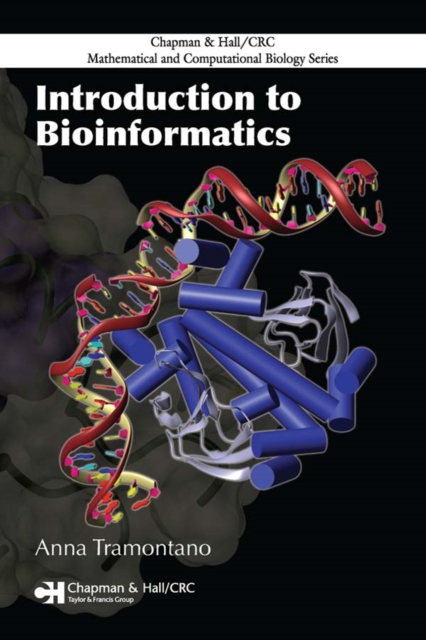
Guiding readers from the elucidation and analysis of a genomic sequence to the prediction of a protein structure and the identification of the molecular function, Introduction to Bioinformatics describes the rationale and limitations of the bioinformatics methods and tools that can help solve biological problems.
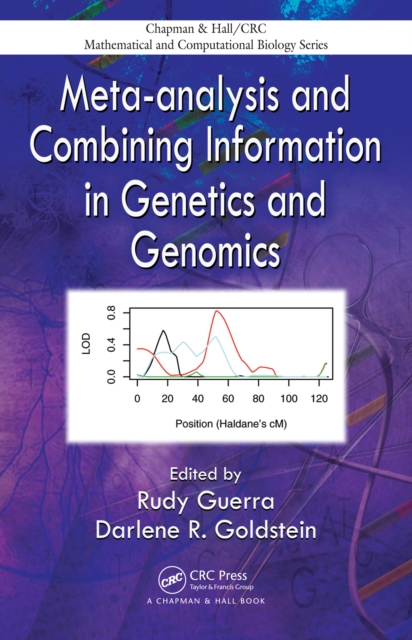
Novel Techniques for Analyzing and Combining Data from Modern Biological StudiesBroadens the Traditional Definition of Meta-AnalysisWith the diversity of data and meta-data now available, there is increased interest in analyzing multiple studies beyond statistical approaches of formal meta-analysis.
The association of a suspect with the victim or crime scene through DNA evidence is one of the most powerful statements of complicity in a crime imaginable.
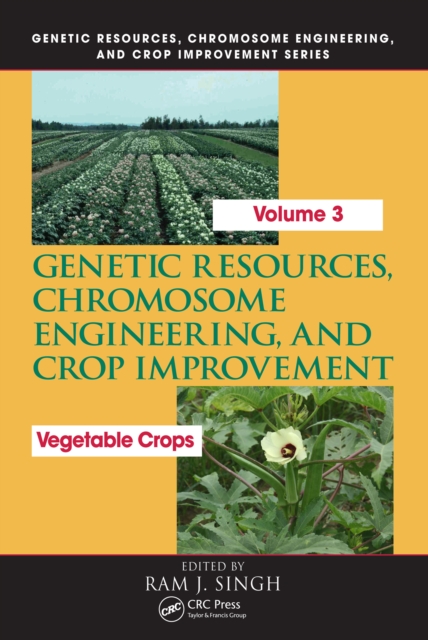
Summarizing landmark research, Volume 3 of this essential series furnishes information on the availability of germplasm resources that breeders can exploit for producing high-yielding vegetable crop varieties.
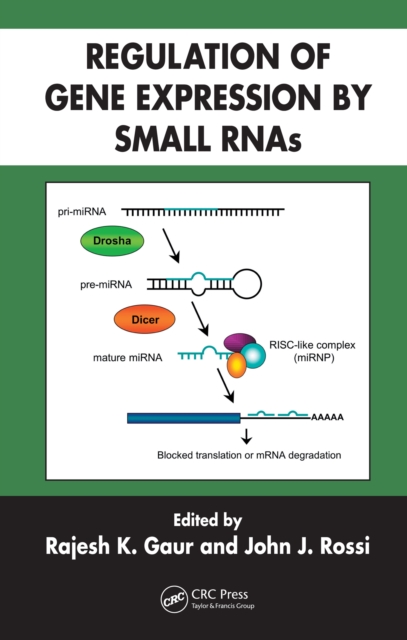
New Findings Revolutionize Concepts of Gene FunctionEndogenous small RNAs have been found in various organisms, including humans, mice, flies, worms, fungi, and bacteria.
A Fresh Look at Taxonomy The most fundamental of all biological sciences, taxonomy underpins any long term strategies for reconstructing the great tree of life or salvaging as much biodiversity as possible.
Understanding the biochemistry of food is basic to all other research and development in the fields of food science, technology, and nutrition, and the past decade has seen accelerated progress in these areas.
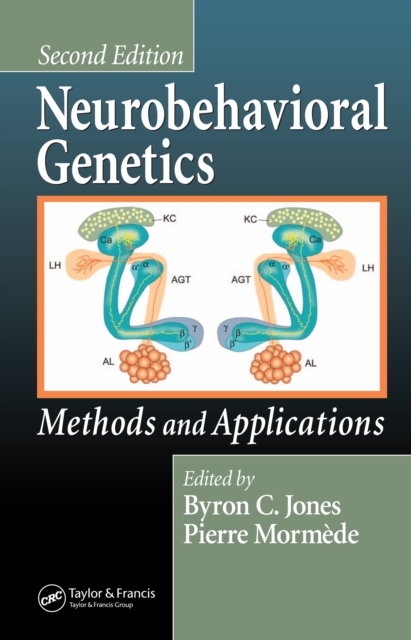
A complete background to concepts and principles of behavioral genetics, Neurobehavioral Genetics: Methods and Applications, Second Edition features a broad spectrum of the most current techniques in neurobehavioral genetics in a single source.
Summarizing current knowledge on symbiotic organisms in the biology of insects, Insect Symbiosis, Volume IIdescribes the diversity of symbiotic bacteria associated with pests such as whiteflies, aphids, mealybugs, psyllids, and tsetse flies.
The complete mapping of the human genome, along with the development of sophisticated molecular technologies, has accelerated research on the relationship between nutrients and genes.
Bringing together experts from across the globe, Model Plants and Crop Improvement provides a critical assessment of the potential of model plant species for crop improvement.
Recent evidence proving the molecular link between unchecked, chronic inflammation and cancer has implicated the transcription factor NF-kB as a key factor in both inhibiting apoptosis and promoting cell proliferation.
Regulation of Downstream Targets, Volume 134 in the Advances in Protein Chemistry and Structural Biology series, presents interesting chapters on topics such as Transcriptional regulatory mechanisms and signaling networks in Viral Infections, Identification of potential key genes associated with pathogenesis and prognosis of endometrial cancer based on Integrated Bioinformatics Approaches, Differential regulation of genes in stage IB pancreatic cancer associated with increased risk of metastasis, AMPK-related LKB1-downstream targets, A compilation of bioinformatic approaches to identify novel downstream targets for the detection and prophylaxis of cancer, Protein phosphatases and their targets: Critical determinants of signaling pathway in plants, and more.
Rice blast, caused by the fungal pathogen Magnaporthe grisea, is one of the most destructive rice diseases worldwide and destroys enough rice to feed more than 60 million people annually.
The domestic pig is perceived as an animal with intelligence and character and yet, in the industrialized world, the majority of people have had little or no contact with them.
Essential processes in biology such as cell and nuclear division, development, intracellular transport and physiological response, rely on the perception of environmental and intracellular signals and their transduction to subcellular targets.
Investigations on various aspects of plant-pathogen interactions have the ultimate aim of providing information that may be useful for the development of effective crop disease management systems.
Studies on the phenomenon of plant pathogenesis (disease development) have been useful to have a deep insight into the interactions between host plant and the pathogen.
Studies on molecular biology of pathogens, infection process and disease resistance, have provided information essentially required to understand the vulnerable stages at which the pathogens can be tackled effectively and to adopt novel strategies to incorporate disease resistance genes from diverse sources and /or to induce resistance of cultivars with desirable agronomic attributes using biotic or abiotic agents.
Flowering plants dominate much of the Earth's surface and yet, as sessile organisms, they must constantly resist attack by numerous voracious herbivores.
Animal welfare is attracting increasing interest worldwide, but particularly from those in developed countries, who now have the knowledge and resources to be able to improve the welfare of farm animals.
Biotechnology and Sustainable Agriculture 2006 and Beyond is a collection of papers presented at the XIth international congress of the International Association of Plant Tissue Culture & Biotechnology (IAPTC&B).
Animal welfare is attracting increasing interest worldwide, but particularly from those in developed countries, who now have the knowledge and resources to be able to offer the best management systems for their farm animals, as well as potentially being able to offer plentiful resources for companion, zoo and laboratory animals.
Ascochyta blights consistently affect large areas of grain legume production (pea, lentil, chickpea and faba bean) in all countries where they are cultivated.