An in-depth exploration of the interaction between mind and material world, mediated by language, image, and making—in design, the arts, culture, and science.
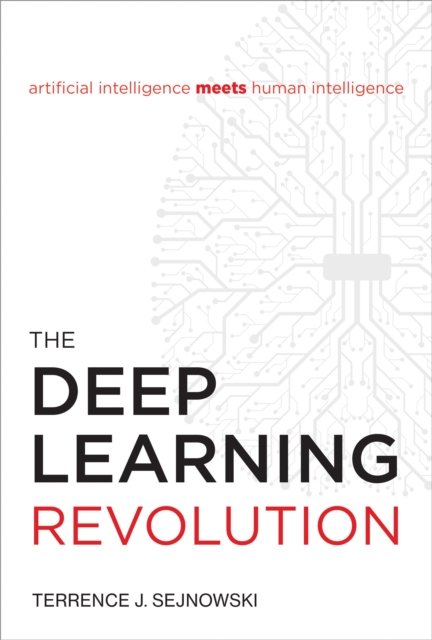
How deep learning—from Google Translate to driverless cars to personal cognitive assistants—is changing our lives and transforming every sector of the economy.
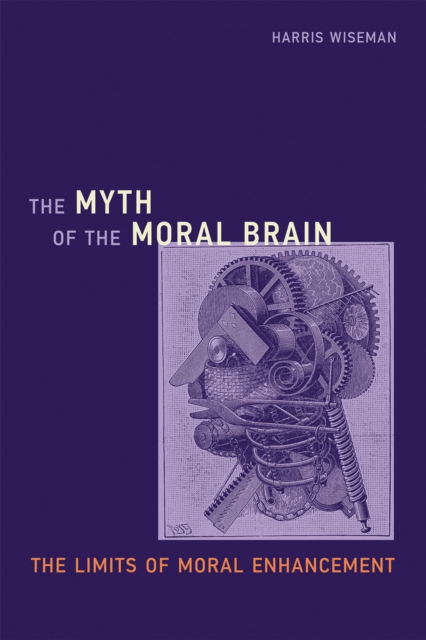
An argument that moral reasoning plays a crucial role in moral judgment through episodes of rational reflection that have established patterns for automatic judgment foundation.
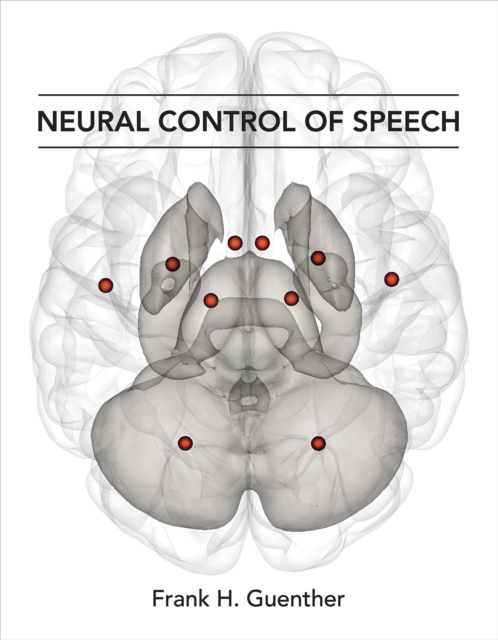
A comprehensive and unified account of the neural computations underlying speech production, offering a theoretical framework bridging the behavioral and the neurological literatures.
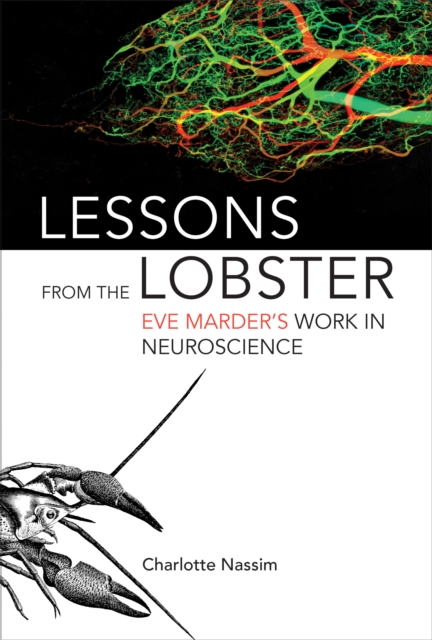
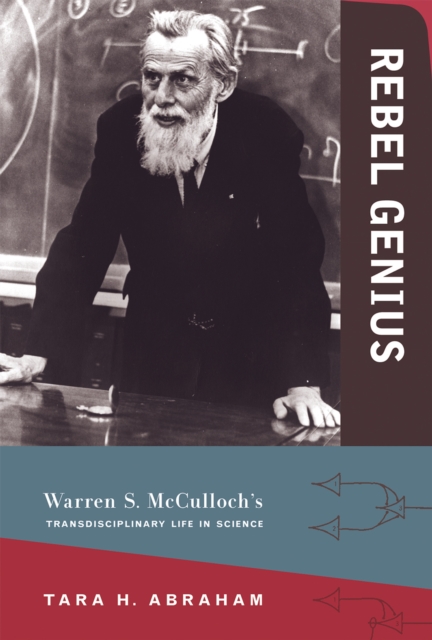
The life and work of a scientist who spent his career crossing disciplinary boundaries—from experimental neurology to psychiatry to cybernetics to engineering.
How developments in science and technology may enable the emergence of purely digital minds—intelligent machines equal to or greater in power than the human brain.
A new computational and dimensional approach to understanding and classifying mental disorders: modeling key learning and decision-making mechanisms across different mental disorders.
A work that reveals the profound links between the evolution, acquisition, and processing of language, and proposes a new integrative framework for the language sciences.
A phenomenological conception of language, drawing on Heidegger, Merleau-Ponty, and Wittgenstein, with implications for both the philosophy of language and current cognitive science.
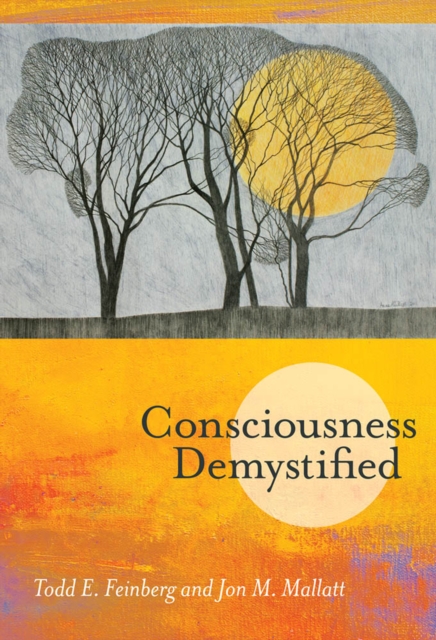
A neuroscientifically informed theory arguing that the core of qualitative conscious experience arises from the integration of sensory and cognitive modalities.
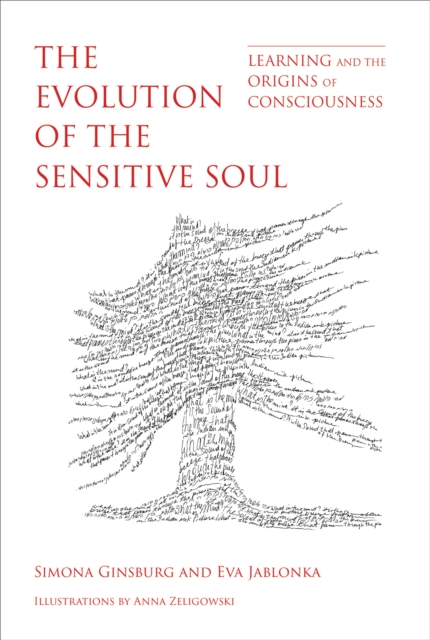
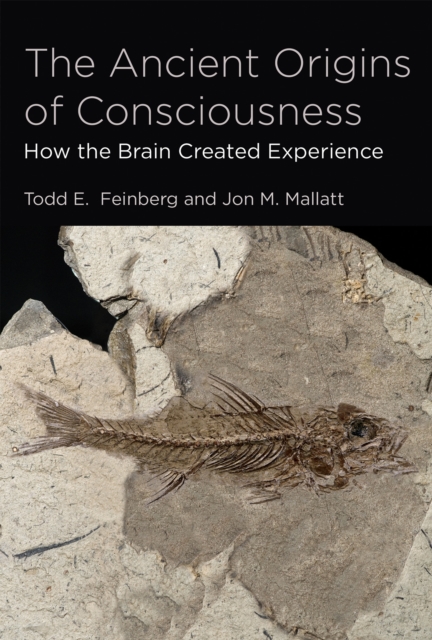
How consciousness appeared much earlier in evolutionary history than is commonly assumed, and why all vertebrates and perhaps even some invertebrates are conscious.
A study that goes beyond the debate over functional specialization to describe the ways that emotion and cognition interact and are integrated in the brain.
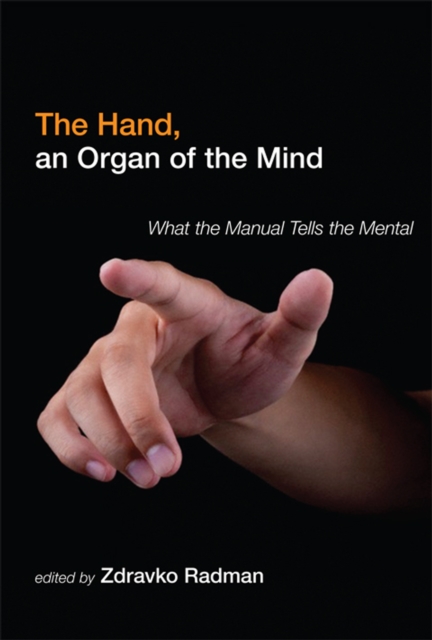
Theoretical and empirical accounts of the interconnectedness between the manual and the mental suggest that the hand can be understood as a cognitive instrument.
The book represents a critical update on interactions between the host and its gut microbiome that conditions the socio-biology of the mind and behaviour.
Psychology of Emotion reviews both theory and methods in emotion science, exploring findings about the brain; the function, expression, and regulation of emotion; similarities and differences due to gender and culture; the relationship between emotion and cognition; and emotion processes in groups.