This book provides the reader with a comprehensive understanding of oral biochemistry by explaining the role of basic biochemistry and dentistry concepts and identifying their metabolic processes of soft tissues that comprise oral and maxillofacial anatomy.
When compared to other major fruits, citrus fruits have resistance to pests and diseases, a short growing season and productivity even under harsh environmental conditions.
In both Islamic and non-Islamic countries many population groups worldwide, such as vegetarians and people of the Jewish faith, consumers do not eat pork.
This book provides the reader with a comprehensive understanding of oral biochemistry by explaining the role of basic biochemistry and dentistry concepts and identifying their metabolic processes of soft tissues that comprise oral and maxillofacial anatomy.
In both Islamic and non-Islamic countries many population groups worldwide, such as vegetarians and people of the Jewish faith, consumers do not eat pork.
In this exciting update, readers will learn how feeding direct-fed microbials (including eubiotics, postbiotics, prebiotics, and synbiotics) is becoming increasingly widespread during food animal production.
In this exciting update, readers will learn how feeding direct-fed microbials (including eubiotics, postbiotics, prebiotics, and synbiotics) is becoming increasingly widespread during food animal production.
When compared to other major fruits, citrus fruits have resistance to pests and diseases, a short growing season and productivity even under harsh environmental conditions.
This book aims to provide methods, protocols, and discussion topics for those who wish to examine in depth the molecular mechanisms of adaptation and versality of bacteria and would like to envisage their evolution responses in the fast changing Antropocene.
This volume provides state-of-the-art knowledge on xenobiotics in urban ecosystems, addressing a wide range of related issues, such as xenobiotic types and chemical composition, environmental fate, remedial approaches, regulatory policies and socioeconomic impacts.
This book "e;Microbial Products for Future Industrialization"e; focuses on the exploitation of various advanced microbial and molecular biology technologies and their associated processes, especially the microbial-molecular-chemical nexus, for the future industrialization of emerging new microbial products.
This book "e;Microbial Products for Future Industrialization"e; focuses on the exploitation of various advanced microbial and molecular biology technologies and their associated processes, especially the microbial-molecular-chemical nexus, for the future industrialization of emerging new microbial products.
This volume details preparations, separations, identification, analysis of postbiotics types and mechanism, uses of postbiotics in health, pharma, aquacultures, and the food industry.
Genetically Engineered Organisms in Bioremediation provides comprehensive coverage of biotechnological applications of genetically engineered microorganisms for the bioremediation of polluted environments.
Bacterial Secondary Metabolites: Synthesis and Applications in Agroecosystem presents the structure, properties, and biotechnological applications of bacterial metabolites and their upcoming industrial, pharmaceutical, antimicrobial, and anticancer applications.
This book provides a broad overview of diagnostic pathology, integrating historical perspectives with the current practice of diagnostic pathology across various sub-fields such as surgical pathology, cytopathology, autopsy and forensic pathology, neuropathology and more.
Genetically Engineered Organisms in Bioremediation provides comprehensive coverage of biotechnological applications of genetically engineered microorganisms for the bioremediation of polluted environments.
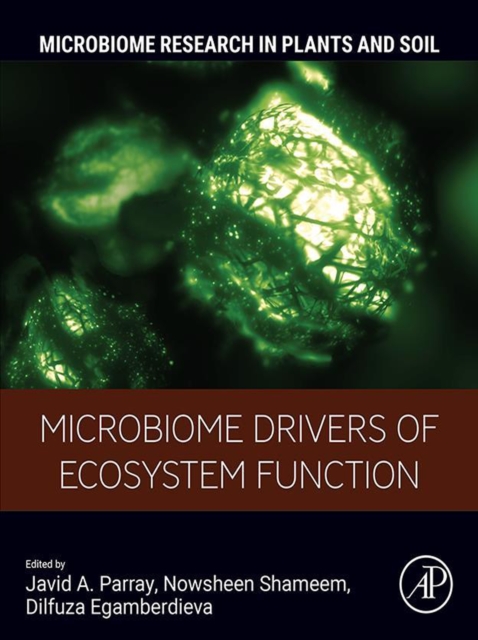
Microbiome Drivers of Ecosystem Function focuses on the advancements in microbial technologies towards harnessing the microbiome for improved crop productivity and health that are at the frontier of agricultural sciences.
Bacterial Secondary Metabolites: Synthesis and Applications in Agroecosystem presents the structure, properties, and biotechnological applications of bacterial metabolites and their upcoming industrial, pharmaceutical, antimicrobial, and anticancer applications.
This book provides a broad overview of diagnostic pathology, integrating historical perspectives with the current practice of diagnostic pathology across various sub-fields such as surgical pathology, cytopathology, autopsy and forensic pathology, neuropathology and more.
Modernizing Global Health Security to Prevent, Detect, and Respond explores-through thoughtful, thorough, and diverse scientific review and analyses-factors that have led to recent public health emergencies and offers a vision for a better protected global environment.
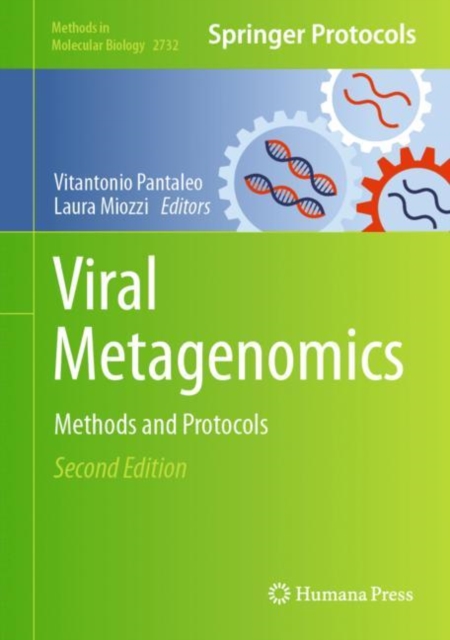
This second edition volume expands on the previous edition with discussions about the latest viral metagenomics aspects covering a range of different specimens such as soil, freshwater, wastewater, fecal samples, blood plasma, clinical tissues, fungi, and herbarium samples.
This book illustrates advancements in the sophisticated tools and techniques for discovering and designing new antiviral drugs, identifying approved drugs against new and emerging viruses through large-scale computational virtual screening or drug repurposing approaches, and their evaluation in various in vitro and in vivo models.
Yeasts are a versatile group of eukaryotic microorganisms, exhibiting heterogeneous nutritional profiles and an extraordinary ability to survive in a wide range of natural and man-associated ecosystems, including cold habitats.
CRISPR/Cas is a recently described defense system that protects bacteria and archaea against invasion by mobile genetic elements such as viruses and plasmids.
Reports on the emergence and prevalence of resistant bacterial infections in hospitals and communities raise concerns that we may soon no longer be able to rely on antibiotics as a way to control infectious diseases.
Hier werden Mikroorganismen, ihre Wirkungen in Alltag und Umwelt sowie biotechnologische Produkte in einfachen und anschaulichen Versuchen sichtbar gemacht.
Ammonia oxidising bacteria (AOB) and archaea are ubiquitous microorganisms, but their abundance and diversity vary widely across environments and play a crucial role in many ecosystems and aquatic ecosystems in particular.
Ammonia oxidising bacteria (AOB) and archaea are ubiquitous microorganisms, but their abundance and diversity vary widely across environments and play a crucial role in many ecosystems and aquatic ecosystems in particular.
Microbial biofilm plays an important role in the life cycle of microorganisms surviving in diverse and harsh environments such as extremes of temperatures, pH, salinity, nutrient scarcity etc.
Microbiome Drivers of Ecosystem Function focuses on the advancements in microbial technologies towards harnessing the microbiome for improved crop productivity and health that are at the frontier of agricultural sciences.
The first edition of The Prokaryotes, published in 1981, took a bold step to become the most comprehensive and authoritative encyclopedic handbook on prokaryotes.
This volume details preparations, separations, identification, analysis of postbiotics types and mechanism, uses of postbiotics in health, pharma, aquacultures, and the food industry.
Microbial biofilm plays an important role in the life cycle of microorganisms surviving in diverse and harsh environments such as extremes of temperatures, pH, salinity, nutrient scarcity etc.