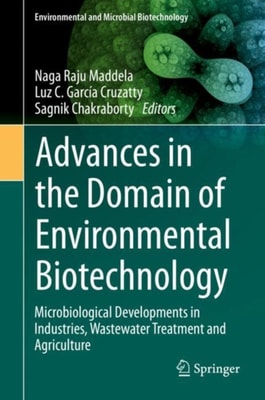
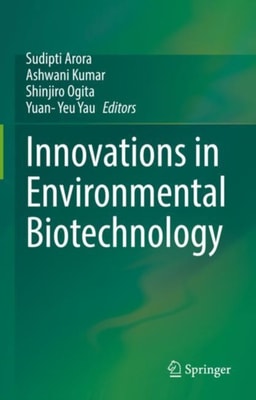
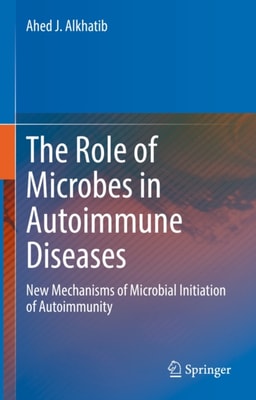
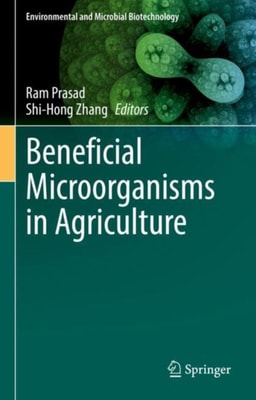
The book has 2 sections; Section A focuses on Environmental Sustainability and Green Technology and Section B covers Emerging Technologies in Environmental Biotechnology.
This volume comprehensively reviews recent advances in our understanding of the diversity of microbes in various types of terrestrial ecosystems, such as caves, deserts and cultivated fields.
This book provides essential insights into microbial pathogenesis, host-pathogen interactions, and the anti-microbial drug resistance of various human pathogens on the basis of various model organisms.
This book highlights different natural products that are derived from the plants and microbes that have shown potential as the lead compounds against infectious diseases and cancer.
This book provides an overview of bidirectional communication between gut-microbiome-brain, pathways, nutrients, and metabolites that are involved in microbiota gut-brain axis (MGBA) interactions.
This book provides a comprehensive overview of the different water-associated infectious diseases and their linked pathogens with plausible strategies for their mitigation.
The book highlights the importance of prebiotics, probiotics and synbiotics in the signalling mechanism between gut microbiota and brain, also referred to as the gut-brain axis.
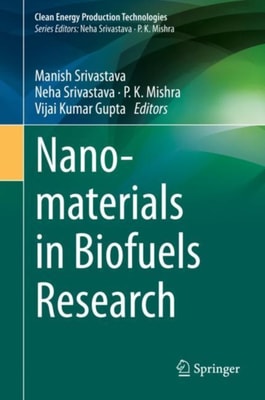
As renewable energy sources, biofuels have tremendous potential to replace fossil fuels in future energy scenarios, offering green alternative energy sources.
This book provides comprehensive coverage of the theoretical developments and technological breakthroughs that have deepened our understanding of environmental pollution and human health, while also promoting a comprehensive strategy to address these problems.
This book describes many novel approaches of microbial bioremediation including conventional and modern approaches, metagenomics, biosurfactants and nano-based bioremediation.
Biochar prepared from agricultural biomass has received considerable attention because of the huge availability of ago-waste at zero cost, flexibility, high efficiency, renewability, faster contaminant removal rate, ability to treat concentrated effluent and reduction of sludge production after the treatment.
This book offers present-day retrospectives and future perspectives on 'phytobiont' studies in the context of phyto-micro restitution, filling some of the information gaps in this promising research field.
This edited book volume aims to bringing out a comprehensive collection of latest information and developments on the management of biotic stresses by the use of rhizospheric microbes across the globe.
This edited book provides an account of past, present, and future constraints in microalgae-based biorefineries, emphasizing cultivation and refining processes.
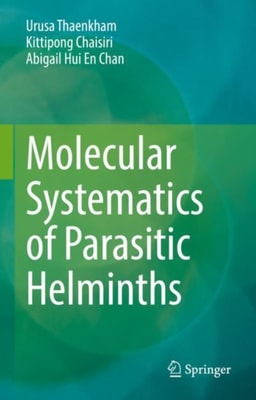
This book aims to provide fundamental knowledge and information for research in molecular systematics on parasitic helminths (nematode, trematode, cestode).
The book comprehensively discusses the mechanisms of pathogenesis and drug resistance; current diagnostics landscape of four key human pathogens; bacterial, fungal, protozoans and viral which are the causes of major infectious diseases.
This book compiles the latest information in the field of antibacterial discovery, especially with regard to the looming threat of multi-drug resistance.
This book introduces readers to basic studies on and applied techniques involving lactic acid bacteria, including their bioengineering and industrial applications.
This book describes the accomplishments of a curious and imaginative scientist, and his endeavours to translate or even to extrapolate scientific insights into the world of art.
This book presents a comprehensive view on mycotoxins of agricultural as well as non-agricultural environments and their health effects in humans and animals.
Surface bio-contamination has become a severe problem that contributes to outbreaks of community acquired and nosocomial infections through contiguous fomite transmission of diseases.
This book discusses recent advances in our understanding of the role of oxidants in microbial pathophysiology, providing valuable insights into the complex role of reactive oxygen species (ROS) in host-microbial interactions.