A major new theory of why human intelligence has not evolved in other speciesThe Human Evolutionary Transition offers a unified view of the evolution of intelligence, presenting a bold and provocative new account of how animals and humans have followed two powerful yet very different evolutionary paths to intelligence.
How the classic mirror test served as a portal for scientists to explore questions of self-awarenessSince the late eighteenth century, scientists have placed subjects-humans, infants, animals, and robots-in front of mirrors in order to look for signs of self-recognition.
Songs, barks, roars, hoots, squeals, and growls: exploring the mysteries of how animals communicate by soundWhat is the meaning of a bird's song, a baboon's bark, an owl's hoot, or a dolphin's clicks?
Songs, barks, roars, hoots, squeals, and growls: exploring the mysteries of how animals communicate by soundWhat is the meaning of a bird's song, a baboon's bark, an owl's hoot, or a dolphin's clicks?
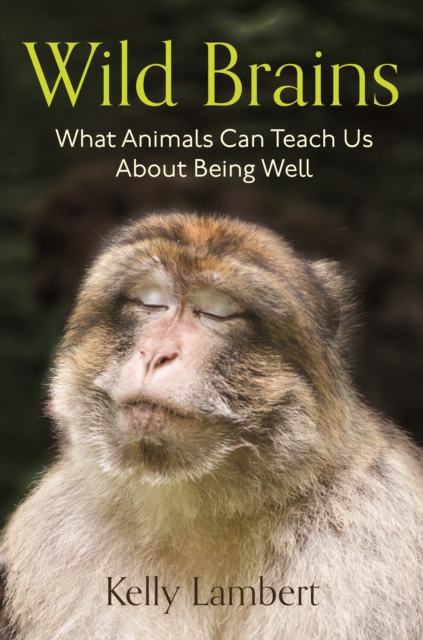
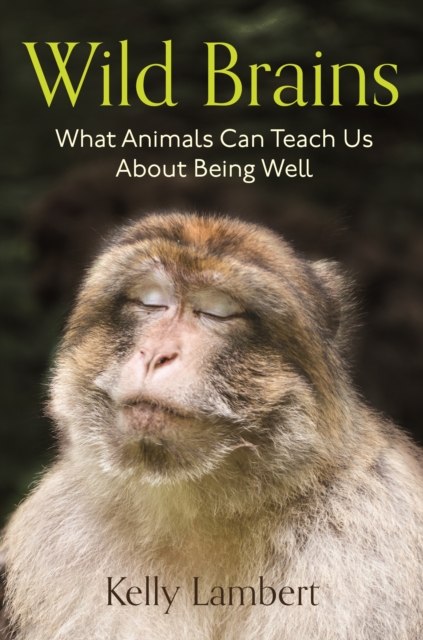
How nature's mental health strategies can inspire healthier, more adaptive human mindsDespite a century of impressive advances in neuroscience, few true breakthroughs in mental health treatment have emerged.
How nature's mental health strategies can inspire healthier, more adaptive human mindsDespite a century of impressive advances in neuroscience, few true breakthroughs in mental health treatment have emerged.
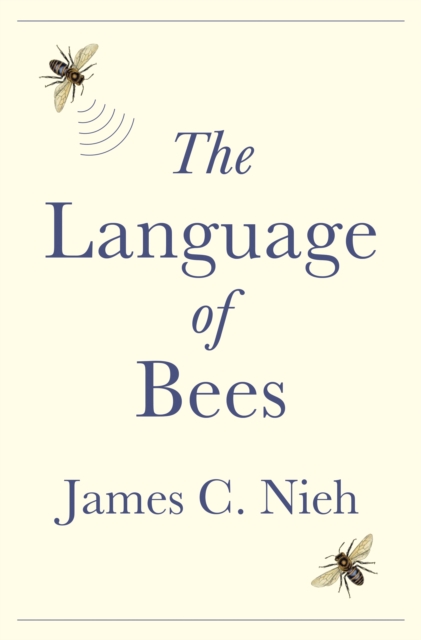
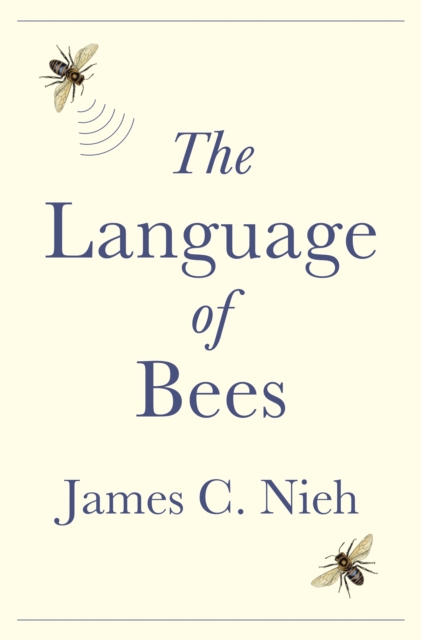
A rich and engaging look at social bees, master communicators of the insect worldWith senses that often seem alien to us, bees navigate complex decisions about where to find food, when to fight or flee, and how to work together.
A rich and engaging look at social bees, master communicators of the insect worldWith senses that often seem alien to us, bees navigate complex decisions about where to find food, when to fight or flee, and how to work together.