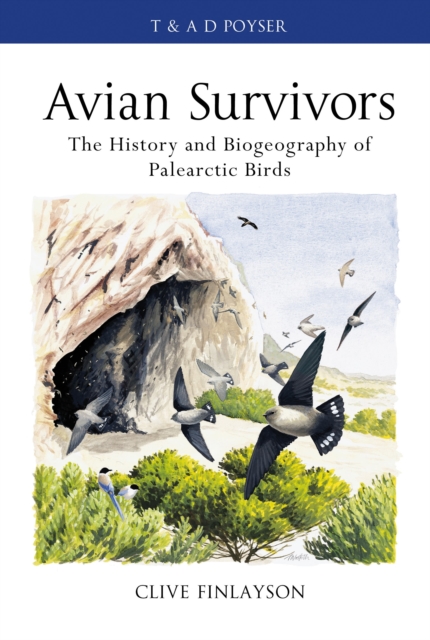
Using a fresh approach that classifies birds according to their bioclimatic characteristics, Clive Finlayson views the history and distribution of Palearctic birds from a radical new angle.
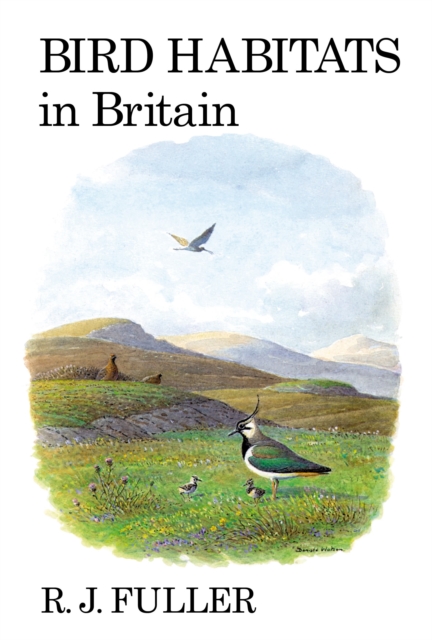
The book describes all the main habitat types, the structure and composition of bird communities, and reviews bird sites and their distribution throughout Britain.
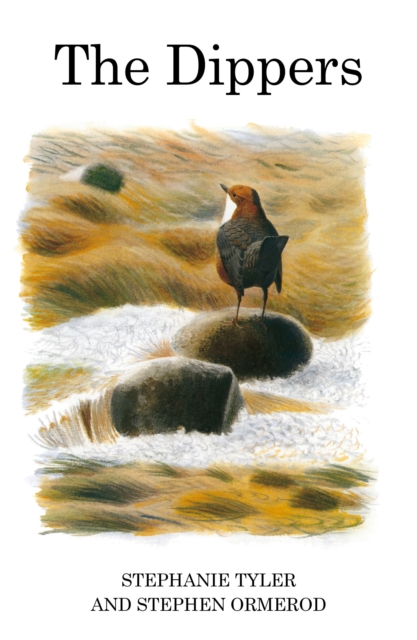
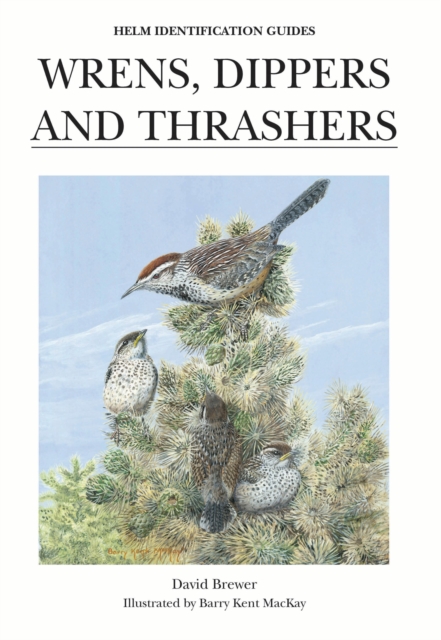
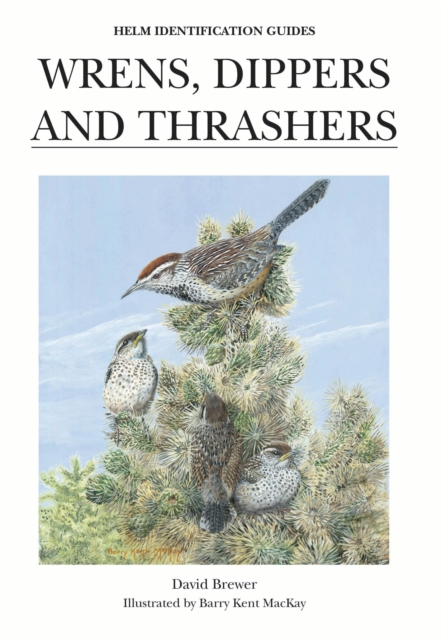
Dippers are the world's only truly aquatic passerine birds, and their remarkable swimming and diving abilities have long attracted the interest of research biologists on both sides of the Atlantic, as well as elsewhere in Europe and Japan.
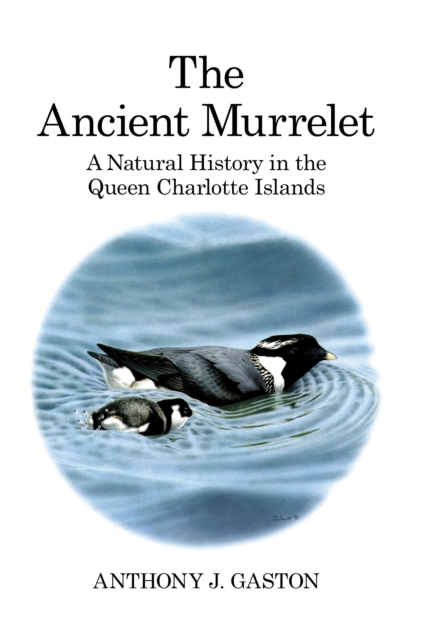
Breeding along the northern Pacific coast from British Columbia to Japan, this little known bird dwelt in relative obscurity until it became the focus of a conservation debate which has resulted in a new National Park in the Queen Charlotte Islands, where half the world's population breeds.
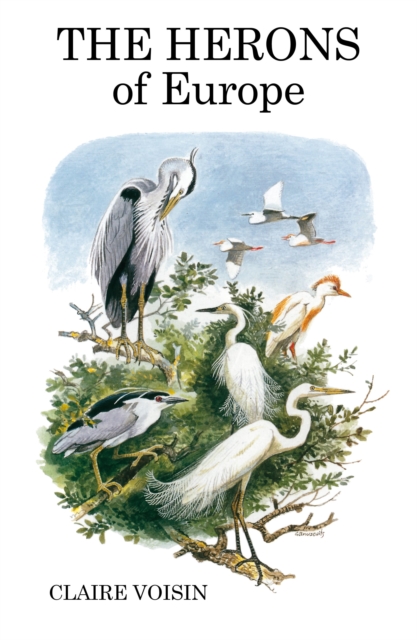
Although the majority of the world's Herons live in the tropics and subtropics, Europe is home to nine species, some large, some small, some colonial, some solitary breeders.
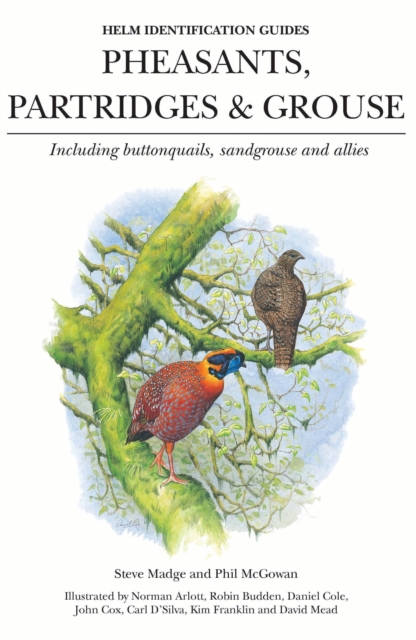
This guide brings together, for the first time in single volume, a comprehensive review of all the world's pheasants, partridges, quails, grouse, turkeys, guineafowl, buttonquails, sandgrouse, and the enigmatic Plains-wanderer - over 250 species in all.
This guide brings together, for the first time in single volume, a comprehensive review of all the world's pheasants, partridges, quails, grouse, turkeys, guineafowl, buttonquails, sandgrouse, and the enigmatic Plains-wanderer - over 250 species in all.
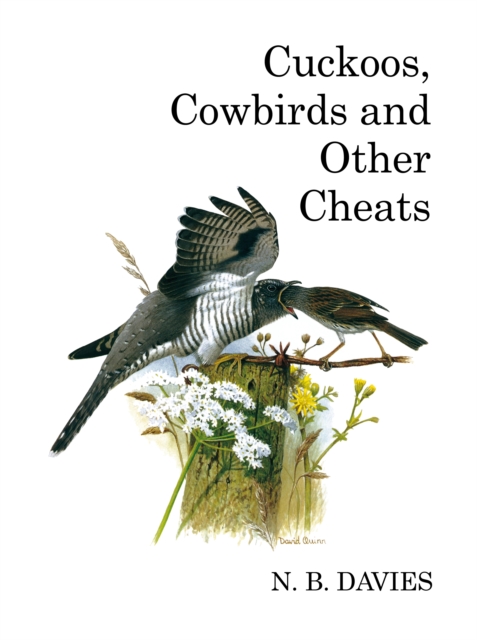
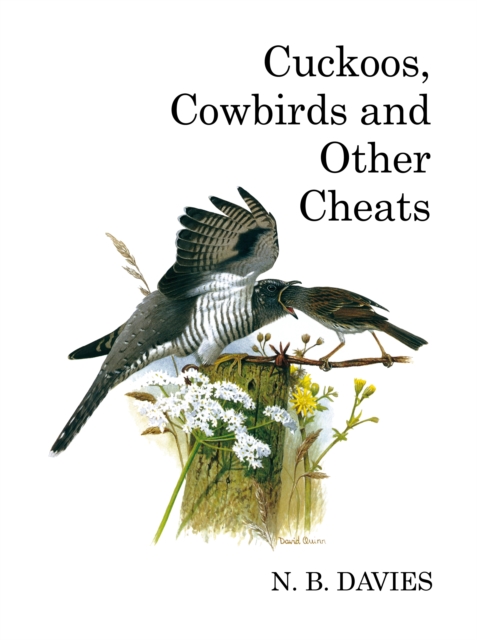
This fascinating study describes the natural histories of these brood parasites and examines many of the exciting questions they raise about the evolution of cheating and the arms race between parasites and their prey.
This fascinating study describes the natural histories of these brood parasites and examines many of the exciting questions they raise about the evolution of cheating and the arms race between parasites and their prey.
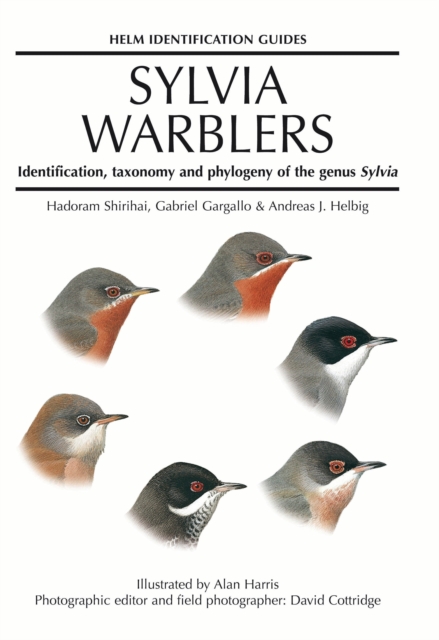
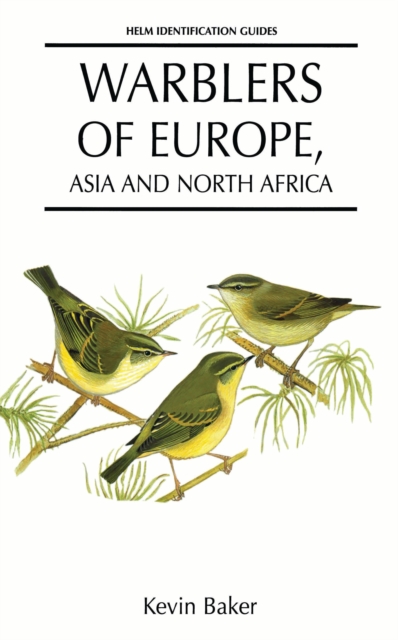
Based on phylogenetic research, this complete study of the genus Sylvia describes two new species and establishes identification criteria for all members of the family.
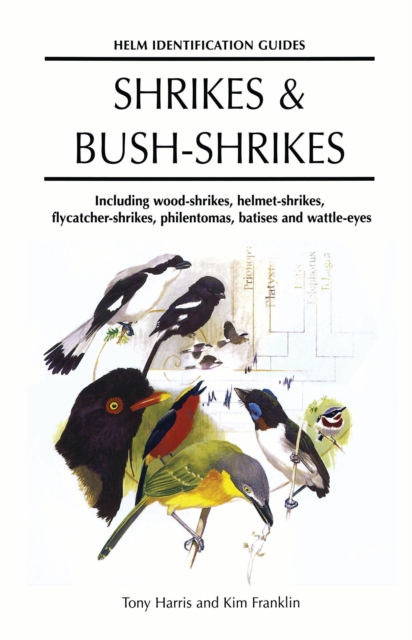
The book covers the identification, biology and relationships of all true shrikes, bush-shrikes, helmet-shrikes, the closely related shrike flycatchers, philentomas, batises and wattle-eyes.
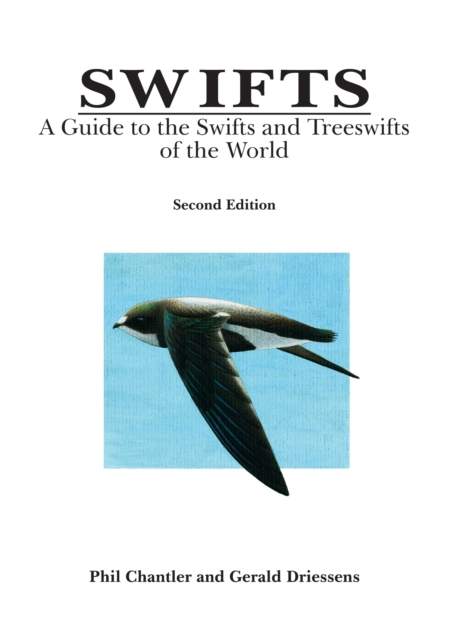
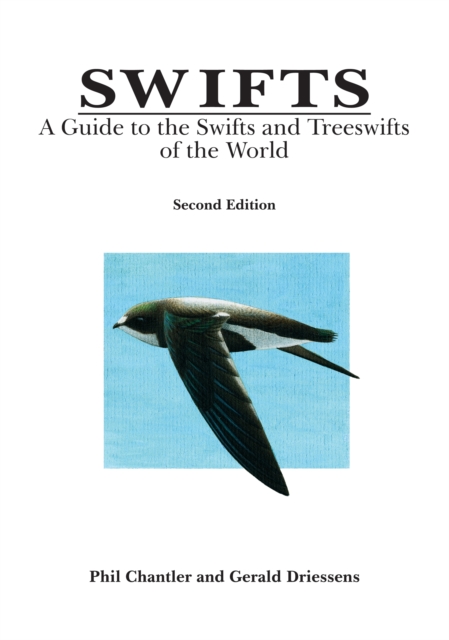
Swifts pose some of the most difficult identification field identification problems and it is the aim of this guide to provide information that will help resolve many of these problems.
Swifts pose some of the most difficult identification field identification problems and it is the aim of this guide to provide information that will help resolve many of these problems.
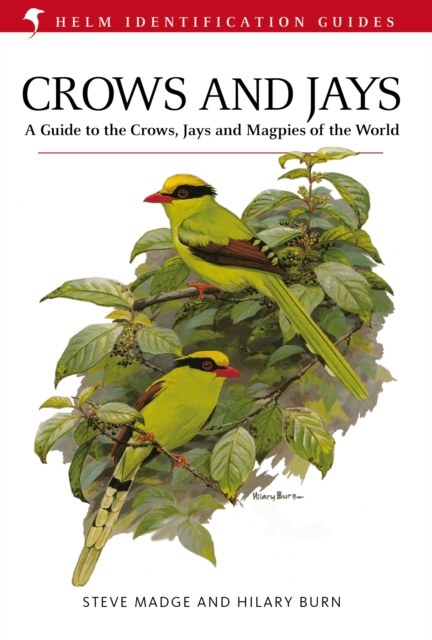
Crows and Jays is a combination of scientifically accurate information and an identification guide, planned to give anyone, whether a birdwatcher or biologist, a greater understanding of the lives of these beautiful, yet very complex, group of birds.
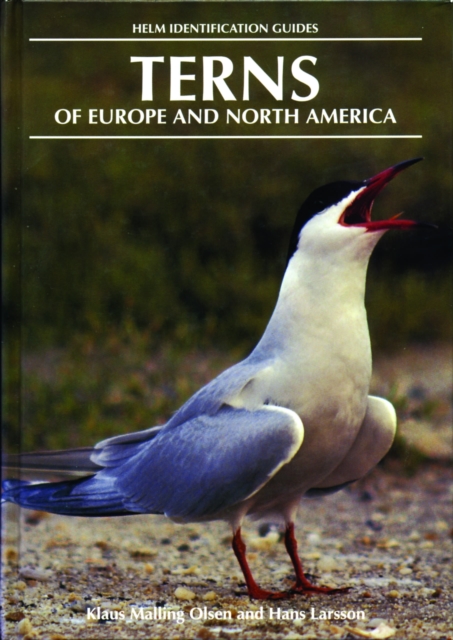
Covering 22 species found in the Western Palearctic and North America, this guide lists each species under the sections of: field identification; moult; description; geographical variation; measurements; and weight.
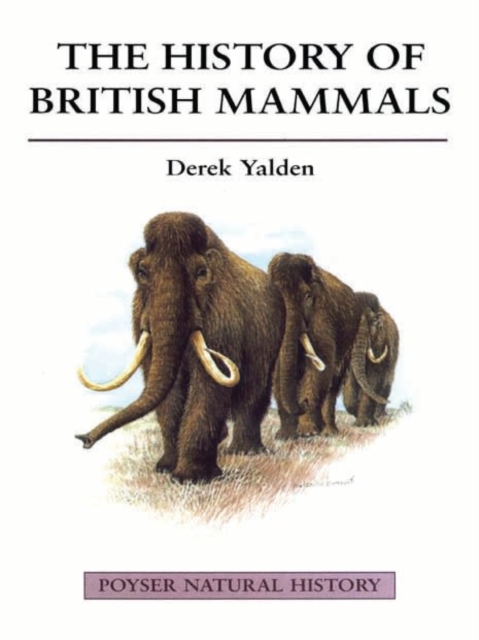
As ice retreated from Britain 15,000 years ago, a host of large mammals including reindeer, wild horses, wooly mammoths, moose, wolves, brown bears, lynxes and wolverines established itself in Britain.
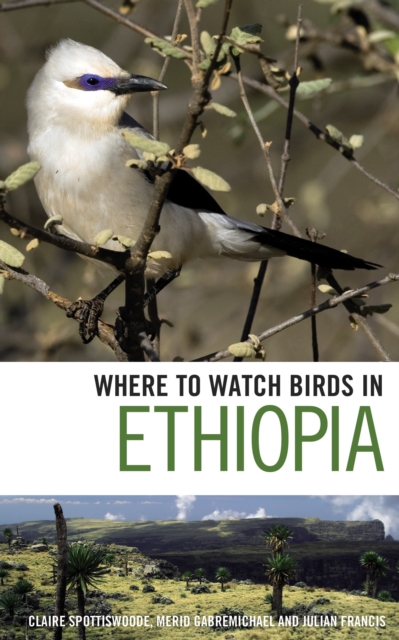
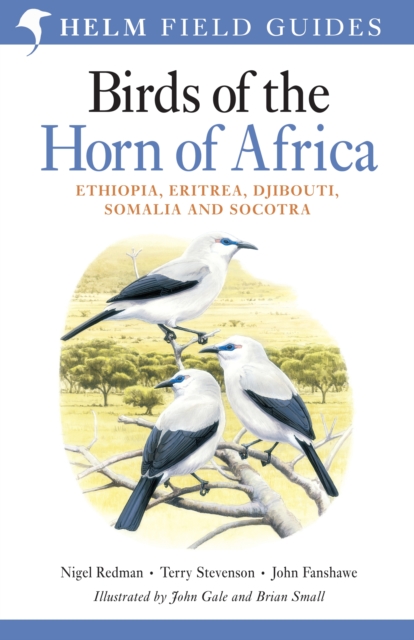
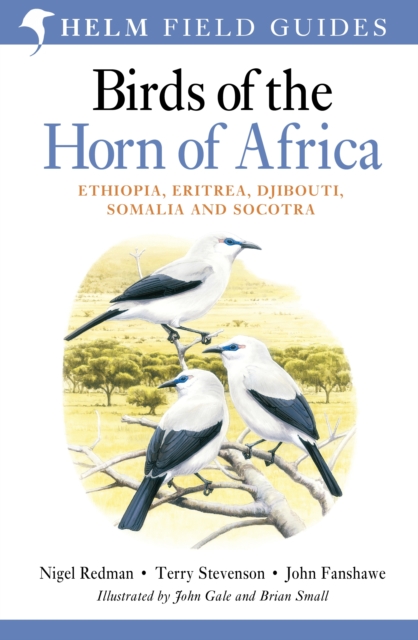
The definitive guide to the birds of Ethiopia, Eritrea, Djibouti and Somalia The Horn of Africa has the highest endemism of any region in Africa, and around 70 species are found nowhere else in the world.