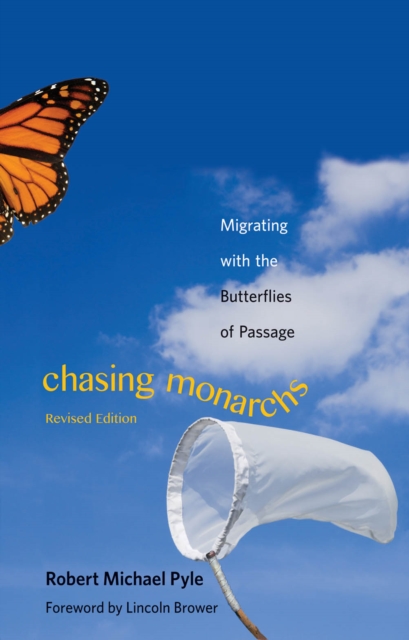
Pyle’s classic account of discovery along the migration trail of monarch butterflies is part natural history, part road trip adventure Although no one had ever followed North American monarch butterflies on their annual southward journey to Mexico and California, in the 1990s there were well-accepted assumptions about the nature and form of the migration.
Aquatic Insects of California, with Keys to North American Genera and California Species is an essential reference for scientists, researchers, and enthusiasts working in the study of aquatic insects and their role in freshwater ecosystems.
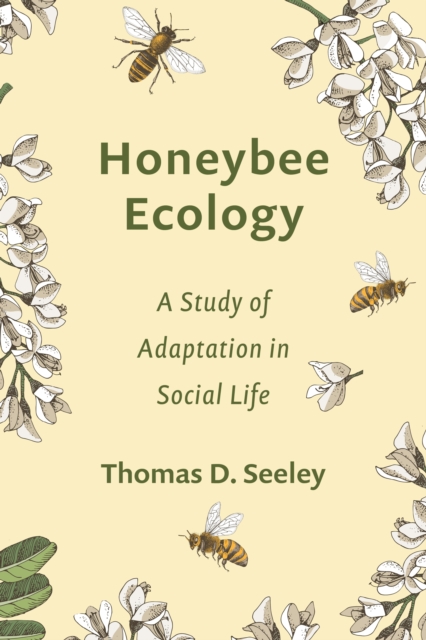
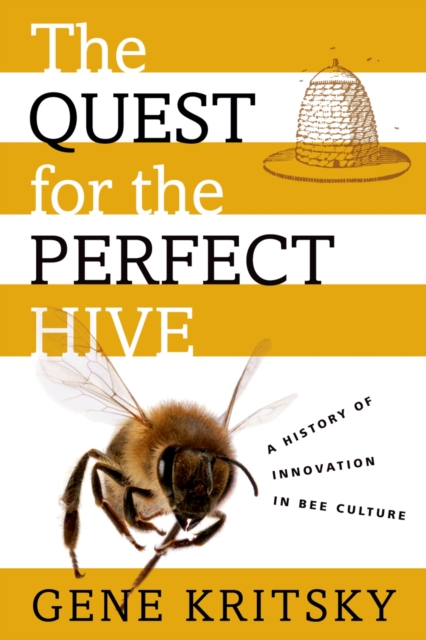
From the acclaimed author of Honeybee Democracy, a classic account of the ecological factors that shape the social lives of honeybeesFor many years, research on honeybee social life dealt primarily with the physiological processes underlying the social system of the bee rather than the ecological factors that have shaped its societies.
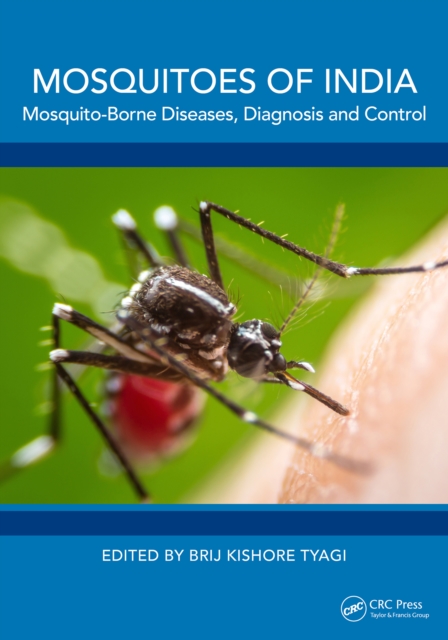
This is an up-to-date and comprehensive handbook that presents a wealth of information on the different aspects of one of the largest dipterous family, Culicidae (mosquitoes).
Find out how you can help save the bees in lots of practical ways and discover the incredible science behind honey bees, beekeeping, and bees in the wild - from the carpenter solitary bee to the stingless sugarbag.
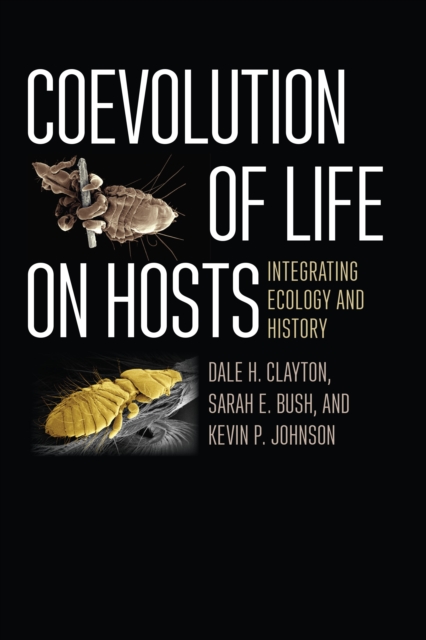
For most, the mere mention of lice forces an immediate hand to the head and recollection of childhood experiences with nits, medicated shampoos, and traumatic haircuts.
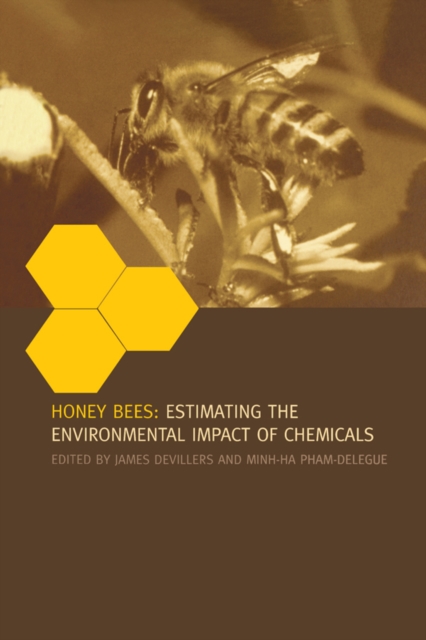
Honey Bees: Estimating the Environmental Impact of Chemicals is an updated account of the different strategies for assessing the ecotoxicity of xenobiotics against these social insects, which play a key role in both ecology and agriculture.
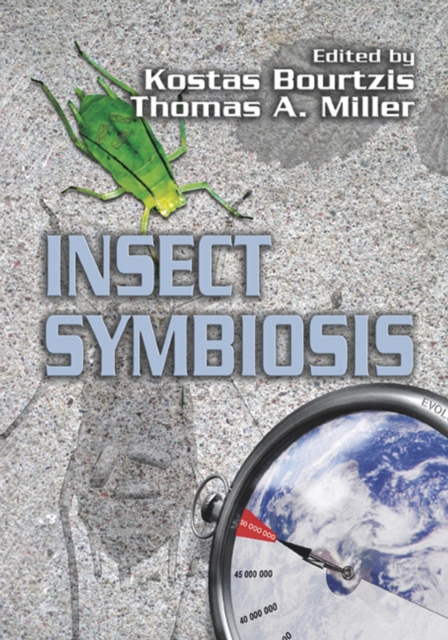
Insect Symbiosis summarizes the current knowledge of the relationship between symbiotic organisms and their insect hosts and provides an unparalleled analysis of cutting-edge research on this issue.
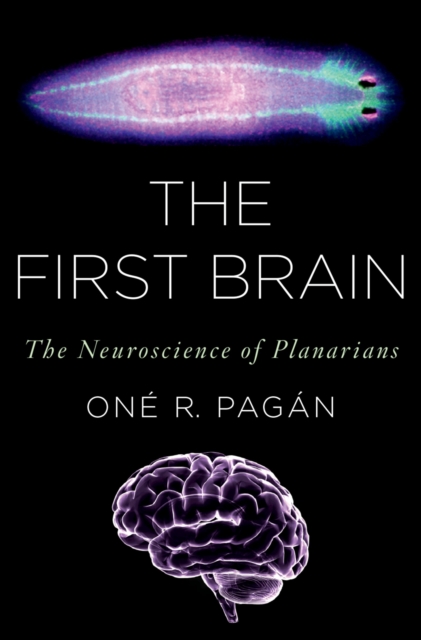
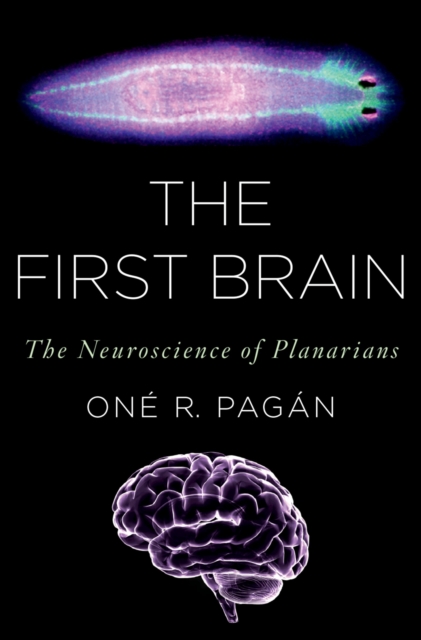
Planarians, a class of flatworm, are extraordinary: they possess the remarkable ability to regenerate lost body parts, including complete regeneration of the nervous system.
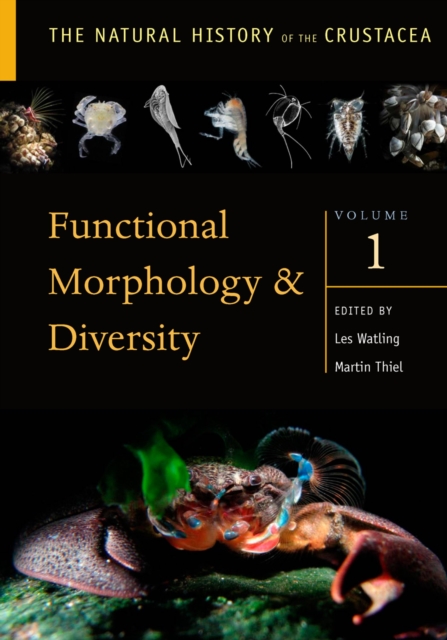
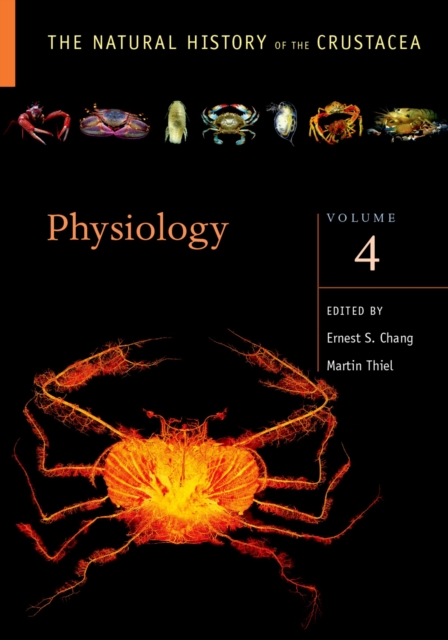
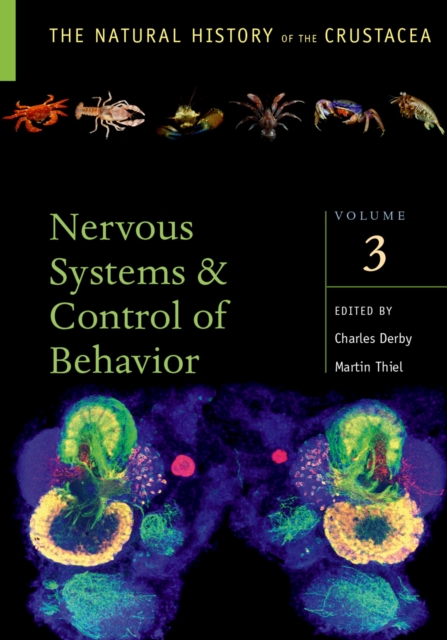
Crustaceans are increasingly used as model organisms in all fields of biology, including neurobiology, developmental biology, animal physiology, evolutionary ecology, biogeography, and resource management.
The Crustacea is one of the dominant invertebrate groups, displaying staggering diversity in form and function, and spanning the full spectrum of Earth's environments.
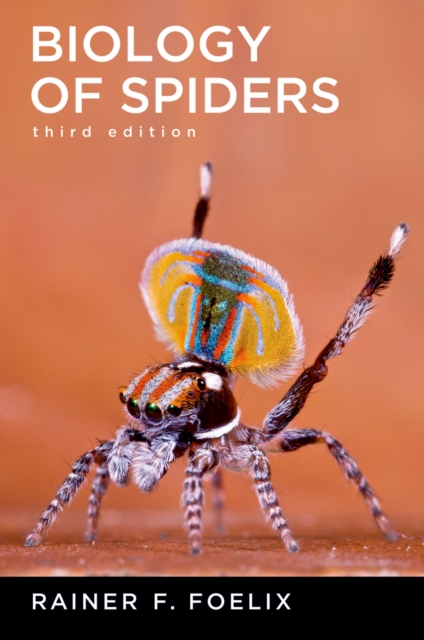
One of the only books to treat the whole spider, from its behavior and physiology to its neurobiology and reproductive characteristics, Biology of Spiders is considered a classic in spider literature.
Butterfly enthusiasts, nature lovers, and curious general readers will perhaps be surprised to learn that Florida's butterfly fauna is unique--and that, until the appearance of this volume, there has been no adequate field guide for the butterflies of this region.
Understanding of animal social and sexual evolution has seen a renaissance in recent years with discoveries of frequent infidelity in apparently monogamous species, the importance of sperm competition, active female mate choice, and eusocial behavior in animals outside the traditional social insect groups.
Planarians, a class of flatworm, are extraordinary: they possess the remarkable ability to regenerate lost body parts, including complete regeneration of the nervous system.
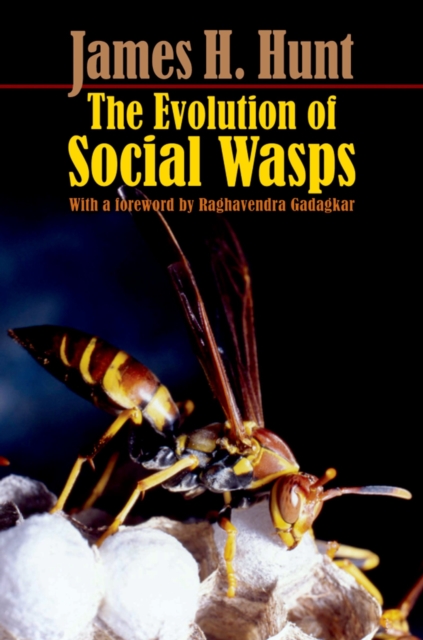
Social behavior occurs in some of the smallest animals as well as some the largest, and the transition from solitary life to sociality is an unsolved evolutionary mystery.
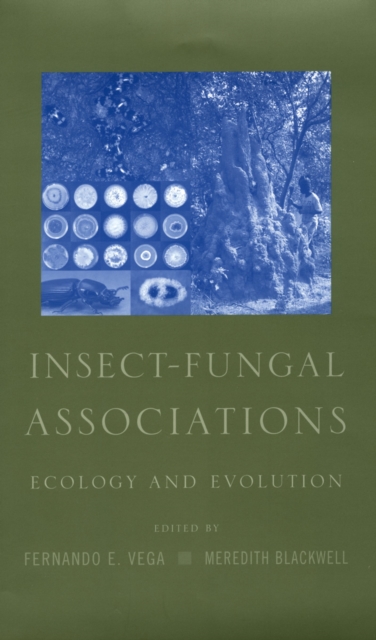
Insects and fungi have a shared history of association in common habitats where together they endure similar environmental conditions, but only recently have mycologists and entomologists recognized and had the techniques to study the intricacies of some of the associations.
The ecological relationships found to exist between tick vectors and pathogens in their zootic cycle can profoundly influence patterns of transmission and disease for humans and domestic animals.