This monograph offers a comprehensive review of present knowledge of the structure and connections of the trigeminal nuclei in humans, and compares it to laboratory animal findings.
The exigencies of life in the desert environment have resulted in the se- lection of a diversity of adaptations, both morphological and physiologi- cal, in the flora and fauna.
Deserts, whether hot or cold, are considered to be one of the most difficult environments for living systems, lacking the essential free water which ac- counts for approximately 60-70% of their body mass and more than 98% of their constituent atoms {Macfarlane 1978}.
Scarcity of water has brought about a number of structural, behavioural, physiological and ecological adaptations in amphibians inhabiting seasonally xeric habitats.
Roads and transportation infrastructures are among the most extensive human-made transformations on Earth—shaping landscapes, enabling connectivity, and driving economic growth.
Lord Please Make Him Stop Drinking provides clear biblical examples of how wives can experience peace in their home from the up and down roller coaster of an alcoholic husband.
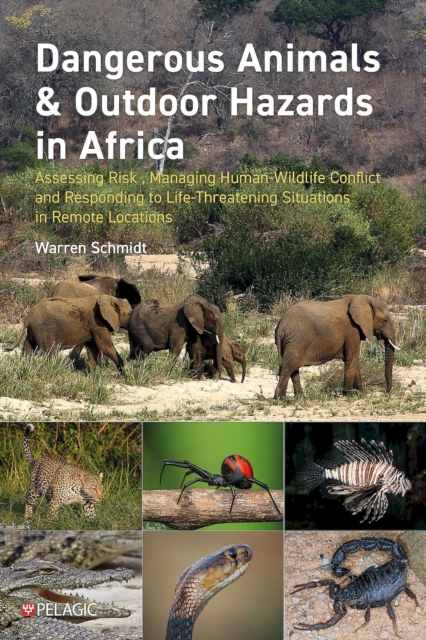
Dangerous Animals & Outdoor Hazards in Africa is a comprehensive guide to managing human-wildlife conflict and avoiding dangerous situations in remote areas.
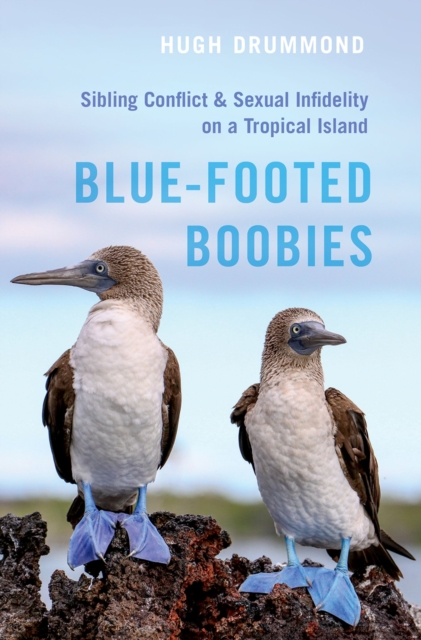
In Blue-Footed Boobies, Hugh Drummond presents a lifetime field study of one of the planet's most charismatic and observable birds, focused on two themes of human relevance: aggressive competition between siblings and monogamous pair-bonding combined with frequent infidelity.
In Blue-Footed Boobies, Hugh Drummond presents a lifetime field study of one of the planet's most charismatic and observable birds, focused on two themes of human relevance: aggressive competition between siblings and monogamous pair-bonding combined with frequent infidelity.
The badgers of Wytham Woods (Oxford, UK) have been studied continuously and intensively by David Macdonald for almost 50 years (25 of them with his former student and co-author Chris Newman), generating a wealth of data pertaining to every facet of their ecology and evolution.
Roads and transportation infrastructures are among the most extensive human-made transformations on Earth—shaping landscapes, enabling connectivity, and driving economic growth.
These charismatic mammals, which include dogs, cats, hyenas, weasels, mongooses, seals, sea lions and bears, have always held special importance to humans throughout history and continue to do so today.
Oceanic islands represent a set of systems in which biological diversity varies as a consequence of remoteness or size, not environment; they are also generally simpler than continental ecosystems.
This accessible book describes a fascinating range of emerging infectious disease outbreaks affecting humans, including rabies, Ebola virus, Lyme disease, bubonic plague, and of course, Covid-19.
"Armadillos, hormigueros y perezosos (Xenarthra) del Departamento de Caldas: conoce, reconoce y conserva", es una invitación a descubrir la biodiversidad de un grupo evolutivo de mamíferos asombroso y a apoyar iniciativas de educación y conservación.
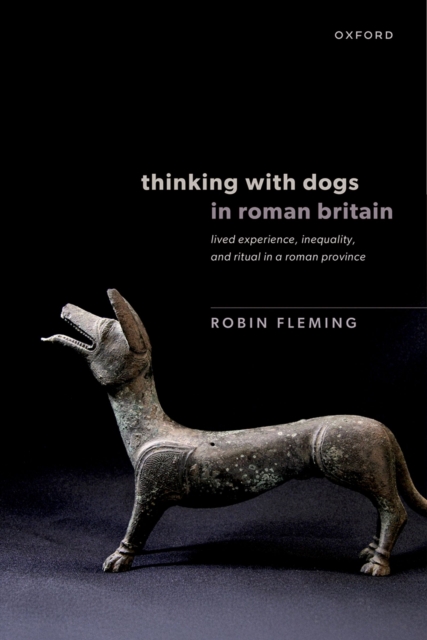
Thinking with Dogs in Roman Britain: Lived Experience, Inequality, and Ritual in a Roman Province argues that in Roman Britain, where little written evidence survives, some aspects of the past are more visible when we look not at people but instead focus on the dogs nipping at their heels.
Thinking with Dogs in Roman Britain: Lived Experience, Inequality, and Ritual in a Roman Province argues that in Roman Britain, where little written evidence survives, some aspects of the past are more visible when we look not at people but instead focus on the dogs nipping at their heels.
Aquaculture exemplifies the ongoing global struggle to strike a sustainable balance between the conflicting needs of a rapidly increasing world population, human health, ecosystem health, the welfare of wild and domesticated animals, and the economic principles of globalized economies.
Evolutionary medicine has been steadily gaining recognition, not only in modern clinical research and practice, but also in bioarchaeology (the study of archaeological human remains) and especially its sub-discipline, palaeopathology.
The reconstruction of ancient marine environments is an important task of the Earth Sciences, of great interest to geology, pure and applied, to oceanography and climatology, as well as to such fields as ecology and evolution.