With contributions from experts in various specialties, Plant-Environment Interactions discusses recent advances in cellular and molecular regulation of stress tolerance.
Immunologists as well investigators in other disciplines may often use protocols involving the isolation, cultures and characterization of different types of leukocytes.
Given the explosive development of new molecular marker techniques over the last decade, newcomers and experts alike in the field of DNA fingerprinting will find an easy-to-follow guide to the multitude of techniques available in DNA Fingerprinting in Plants: Principles, Methods, and Applications, Second Edition.
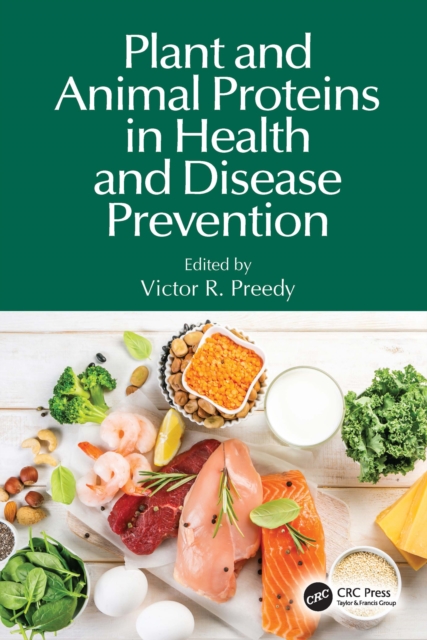
This book explores the vital role of proteins in human health through 40 in-depth chapters, organized into four comprehensive sections which include Introductory Concepts, Foods of Animal Origin, Foods of Plant Origin, and Resources.
Beach-spawning fishes from exotic locations on most continents of the world provide spectacular examples of extreme adaptations during the most vulnerable life cycle stages.
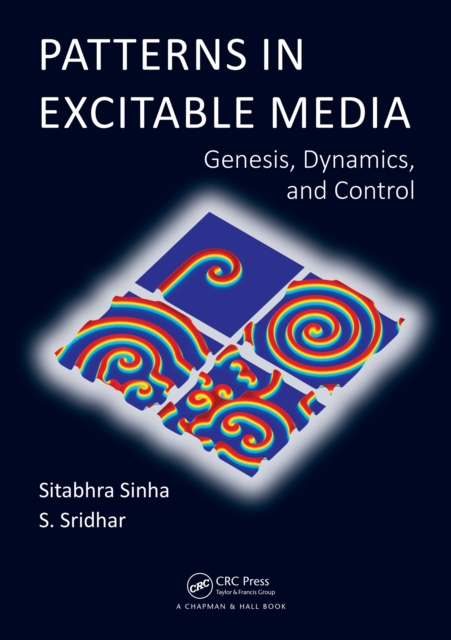
Excitable media comprise a class of models for a wide range of physical, chemical, and biological systems that exhibit spontaneous formation of spatial patterns.
This is an up-to-date and comprehensive handbook that presents a wealth of information on the different aspects of one of the largest dipterous family, Culicidae (Mosquitoes).
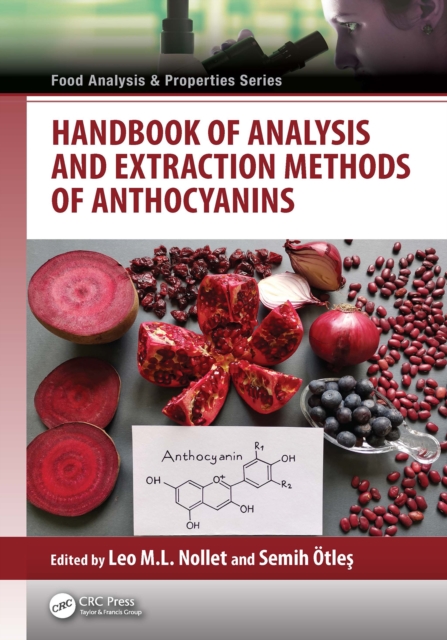
Handbook of Analysis and Extraction Methods of Anthocyanins provides a comprehensive guide to learning about the properties of anthocyanins, which have gained increasing importance in recent years and have attracted widespread attention from industry, academia, and government, as well as the precise, applicable, and modern methods of their analysis developed to date.
This book explores the vital role of proteins in human health through 40 in-depth chapters, organized into four comprehensive sections which include Introductory Concepts, Foods of Animal Origin, Foods of Plant Origin, and Resources.
An entertaining, instructive, diverse, and unusual book, Light and Dark: An Exploration in Science, Nature, Art and Technology encompasses a wide range of topics not normally found in one book.
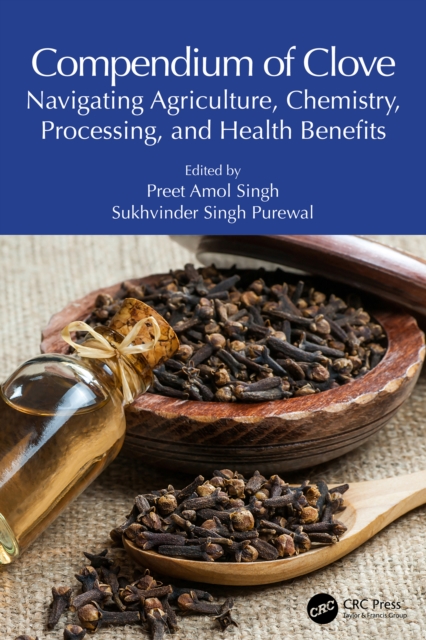
Welcome to the definitive guide Compendium of Clove: Navigating Agriculture, Chemistry, Processing, and Health Benefits, where centuries of tradition meet cutting-edge research on clove.
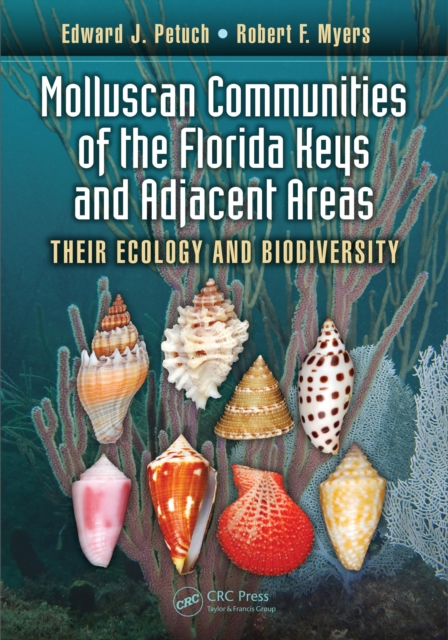
Molluscan Communities of the Florida Keys and Adjacent Areas: Their Ecology and Biodiversity is the first comprehensive overview of the ecology and biodiversity of the phylum Mollusca in the area extending from the Dry Tortugas and Ten Thousand Islands in the west to Palm Beach in the east.
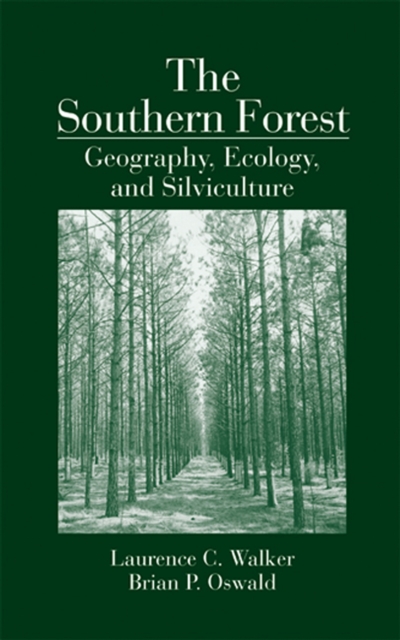
The Southern Forest: Geography, Ecology, and Silviculture examines the forests of the South, providing a comprehensive description of the region from which most of the nation's wood for housing and paper will be grown and harvested in the future.
Biomaterials have become an integral part of medicine today, helping in healing and restoring functionality in people with injury or disease, especially for bone implants and drug delivery systems.
Free radicals are molecules with an unpaired electron in the outer shell or an electron that was damaged from either attack or from a poor splitting bond.
Basics of Molecular Recognition explores fundamental recognition principles between monomers or macromolecules that lead to diverse biological functions.
Nutrition and Epigenetics presents new information on the action of diet and nutritional determinants in regulating the epigenetic control of gene expression in health and disease.
Biologically Active Natural Products: Pharmaceuticals demonstrates the connections between agrochemicals and pharmaceuticals and explores the use of plants and plant products in the formulation and development of pharmaceuticals.
This handbook introduces some of the most relevant techniques used to develop intelligent robotic systems and provides several examples of applications where robots equipped with AI are deployed to solve a task.
Highlighting latest advances in genetics and biochemistry, the completely revised Third Edition reviews the field from basic science, clinical, epidemiological, and regulatory perspectives.
While soil ecologists continue to be on the forefront of research on biodiversity and ecosystem function, there are few interdisciplinary studies that incorporate ecological knowledge into sustainable land management practices.
This book provides a comprehensive review of the silkworm as a biofactory for the mass production of various proteins, shedding new light on its potential beyond traditional silk production.
Long gone are the days when synthetic publications included parallel preparative experiments to document reproducibility of the experimental protocols and when journals required such documentation.