The handbook presents spectra to be utilized for the detection and measurement of new constituents in the earth's atmosphere and to obtain data for common minor species with large gas amounts in the absorption cell (such as CH/sub 4/ and N/sub 2/O).
The handbook presents spectra to be utilized for the detection and measurement of new constituents in the earth's atmosphere and to obtain data for common minor species with large gas amounts in the absorption cell (such as CH/sub 4/ and N/sub 2/O).
Nanomaterials are mainly categorized into three groups: fundamental building blocks, dispersions or composites of building blocks in randomly ordered matrices, and spatially resolved, ordered nanostructures.
Nanomaterials are mainly categorized into three groups: fundamental building blocks, dispersions or composites of building blocks in randomly ordered matrices, and spatially resolved, ordered nanostructures.
Terahertz time-domain spectroscopy (THz-TDS) is a unique technique for characterizing the response of materials and devices in the far-infrared region of the electromagnetic spectrum.
Terahertz time-domain spectroscopy (THz-TDS) is a unique technique for characterizing the response of materials and devices in the far-infrared region of the electromagnetic spectrum.
Nuclear magnetic resonance (NMR) is widely used across many fields of science because of the rich data it produces, and some of the most valuable data come from studies of nuclear spin relaxation in solution.
Nuclear magnetic resonance (NMR) is widely used across many fields of science because of the rich data it produces, and some of the most valuable data come from studies of nuclear spin relaxation in solution.
Rapid, inexpensive, and easy-to-deploy, near-infrared (NIR) spectroscopy can be used to analyze samples of virtually any composition, origin, and condition.
Rapid, inexpensive, and easy-to-deploy, near-infrared (NIR) spectroscopy can be used to analyze samples of virtually any composition, origin, and condition.
The intent of this book , a collection of manuscripts - is to provide general descriptions of analytical techniques which we believe to be useful to the biological scientist, and to provide examples of the utility of each technique.
Luminescent Spectroscopy of Proteins is devoted to the method of intrinsic protein luminescence, one of the most popular experimental methods in modern biophysics and biochemistry.
Compiled with the most sophisticated chromatographic and spectrometric instruments available, this complete and self-contained seven-volume reference provides forensic, toxicology, and clinical laboratories with up-to-date information on 1,600 drugs and drug-related compounds-one of the largest collections of analytical data generated from a single source.
These volumes of Copper Proteins and Copper Enzymes are intended to describe the contemporary spectroscopy and other biophysical chemistry now being applied to copper proteins in order to determine the structures of their active sites.
The intent of this book , a collection of manuscripts - is to provide general descriptions of analytical techniques which we believe to be useful to the biological scientist, and to provide examples of the utility of each technique.
Luminescent Spectroscopy of Proteins is devoted to the method of intrinsic protein luminescence, one of the most popular experimental methods in modern biophysics and biochemistry.
Compiled with the most sophisticated chromatographic and spectrometric instruments available, this complete and self-contained seven-volume reference provides forensic, toxicology, and clinical laboratories with up-to-date information on 1,600 drugs and drug-related compounds-one of the largest collections of analytical data generated from a single source.
These volumes of Copper Proteins and Copper Enzymes are intended to describe the contemporary spectroscopy and other biophysical chemistry now being applied to copper proteins in order to determine the structures of their active sites.
The authors travel with the reader through the challenging maze of structure determination, showing how to distinguish between valuable and deceiving data from IR, NMR and MS spectra, extracting structural conclusions and putting all the pieces together to solve the structure elucidation puzzle.
The authors travel with the reader through the challenging maze of structure determination, showing how to distinguish between valuable and deceiving data from IR, NMR and MS spectra, extracting structural conclusions and putting all the pieces together to solve the structure elucidation puzzle.
The isolation and structural characterization of substances present at very low concentrations, as is necessary to satisfy regulatory requirements for pharmaceutical drug degradants and impurities, can present scientific challenges.
The isolation and structural characterization of substances present at very low concentrations, as is necessary to satisfy regulatory requirements for pharmaceutical drug degradants and impurities, can present scientific challenges.
This latest edition of the highly successful text Organic Spectroscopy continues to keep both student and researcher informed of the most recent developments in the various fields of spectroscopy.
The use of natural mineral and synthetic blue pigments in antiquity for wall paintings and illuminated manuscript historiation evolved into the most suitable blue pigments for the decoration of glazed and enamelled wares (ceramics, glass and metal) which required a stability at the high temperatures of the kilns used for glazing and firing.
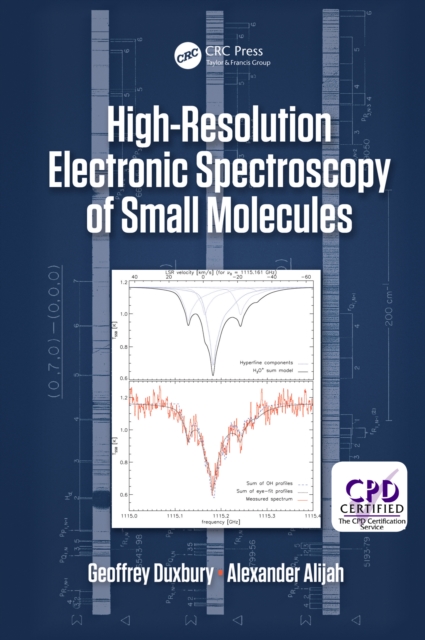
Over recent years electronic spectroscopy has developed significantly, with key applications in atmospheric chemistry, astrophysics and astrochemistry.
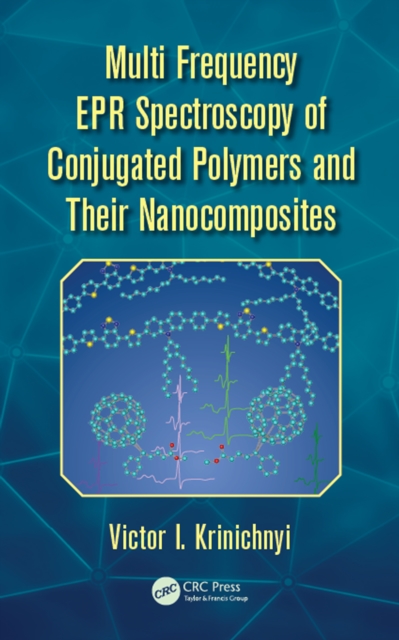
Conjugated polymeric materials and their nanocomposites are widely used for the creation of alternative sources of renewable energy, cell phone screens, mobile gadgets, video players and OLED-TV, as well as organic diodes, transistors, sensors, etc.
This book presents state-of-the-art contributions related to advanced structural characterization techniques in the field of clean energy materials with particular emphasis on solid oxide fuel cells and hydrogen storage materials.
Over the past decade, fluorine (19F) magnetic resonance imaging (MRI) has garnered significant scientific interest in the biomedical research community owing to the unique properties of fluorinated materials and the 19F nucleus.
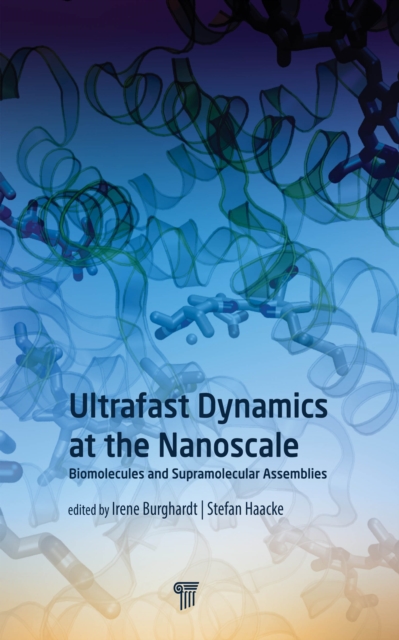
Ultrafast Dynamics at the Nanoscale provides a combined experimental and theoretical insight into the molecular-level investigation of light-induced quantum processes in biological systems and nanostructured (bio)assemblies.
This detailed handbook covers different chromatographic analysis techniques and chromatographic data for compounds found in air, water, and soil, and sludge.
This detailed handbook covers different chromatographic analysis techniques and chromatographic data for compounds found in air, water, and soil, and sludge.
Put ideas into practice using theoretical concepts and real-life examples The MBA Handbook, 9th Edition by Cameron is a vital resource for MBA and other postgraduate management students to gain maximum learning benefit from their programme.