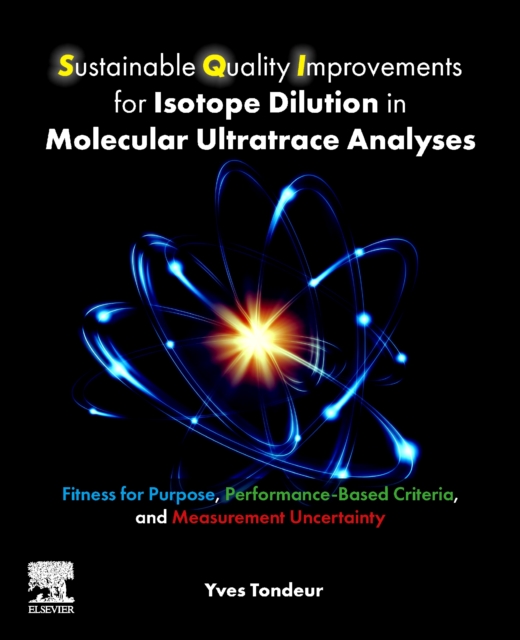
Sustainable Quality Improvements for Isotope Dilution in Molecular Ultratrace Analyses: Fitness for Purpose, Performance-Based Criteria, and Measurement Uncertainty uses a novel Sustainable Quality Improvement (SQI) framework with the aim of helping to re-introduce much needed flexibility and restore accountability and integrity necessary for developing confidence in products obtained with these specialty assays.
Chapters collected from "e;The Virtual Conference on Chemistry and its Applications (VCCA-2021) - Research and Innovations in Chemical Sciences: Paving the Way Forward"e;.
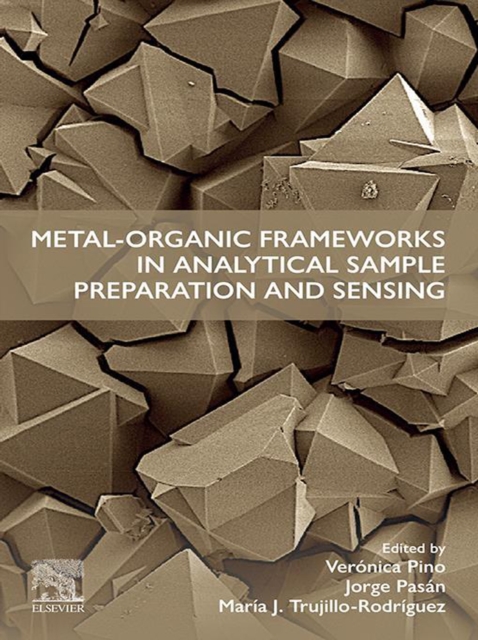
Metal-organic Frameworks in Analytical Sample Preparation and Sensing presents all the areas of applications of metal-organic frameworks in analytical sample preparation.
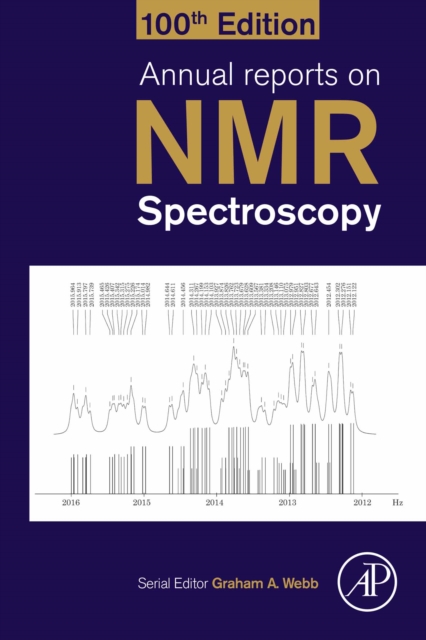
Annual Reports on NMR Spectroscopy, Volume 100, is a premier resource for both specialists and non-specialists who are looking to become familiar with new techniques and applications in NMR spectroscopy.
Atomic Emission Spectrometry is a powerful analytical method which is utilized in academia and industry for quantitative and qualitative elemental analysis.
Chapters collected from "e;The Virtual Conference on Chemistry and its Applications (VCCA-2021) - Research and Innovations in Chemical Sciences: Paving the Way Forward"e;.
In continuation of the earlier book on spectrophotometric methods for iron and copper the present book is the next attempt for covering methods and reagents for single as well as simultaneous Spectrophotometric determination methods for the two most important industrial and biologically useful metals Ni and Co.
In continuation of the earlier book on spectrophotometric methods for iron and copper the present book is the next attempt for covering methods and reagents for single as well as simultaneous Spectrophotometric determination methods for the two most important industrial and biologically useful metals Ni and Co.
Advances in Biomembranes and Lipid Self-Assembly, Volume 28, formerly titled Advances in Planar Lipid Bilayers and Liposomes, provides a global platform for the study of cell membranes, lipid model membranes, and lipid self-assemblies, from the micro- to the nanoscale.
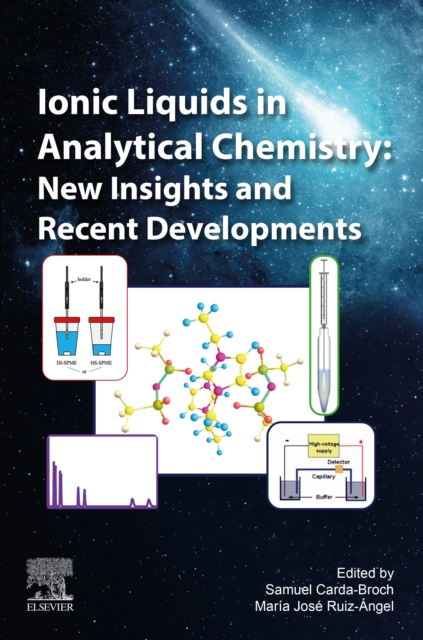
Ionic liquids in Analytical Chemistry: New Insights and Recent Developments focuses on the use of these materials in the field of chemical analysis, paying attention to different areas such as sample preparation, separation techniques, spectroscopy and electrochemical methods.
El curso de Quimica Experimental que se incluye en la programacion de la Quimica General ordinariamente se desarrolla en el primer o segundo semestre de las carreras relacionadas con las ciencias biologicas o las ingenierias y su proposito central es formar al estudiante en la experimentacion y el analisis, esto presupone el aprendizaje de habilidades y destrezas para operar con los materiales, instrumentos y equipos de uso comun en el laboratorio, asi como, el afianzamiento de la capacidad de razonamiento que permite discernir, generalizar y concluir correctamente sobre causas o consecuencias de fenomenos, experiencias o procesos en observacion.
El objetivo principal de este texto es orientar a estudiantes de pregrado en ingenieria y areas afines en los procedimientos de analisis de calidad del agua a nivel fisico-quimico.
Dieses fundierte Lehrbuch führt systematisch in die faszinierende Chemie des Lebens ein und vermittelt die essentiellen Grundlagen der Biochemie und organischen Chemie für Medizinstudierende und interessierte Leser.
Instrumental Thin-Layer Chromatography, Second Edition offers a comprehensive source of authoritative information on all aspects of instrumental thin-layer chromatography.
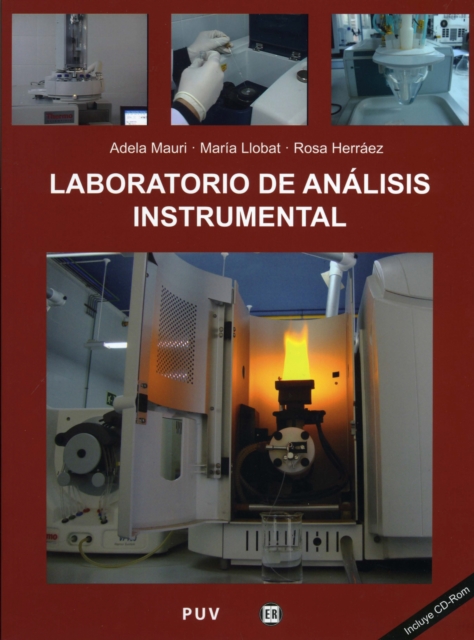
En la actualidad el analisis instrumental constituye uno de los pilares de la Quimica Analitica, siendo las clases de laboratorio una herramienta fundamental para la asimilacion de la metodologia de trabajo.
Constituye la versión castellana de la última edición (6ª) de la conocida obra de los profesores Skoog y West, enriquecida y actualizada recientemente por el Profesor Holler.
Este libro, que se presenta como una contribución docente nueva, cubre parte importante de la asignatura Equilibrios Iónicos que se imparte en los primeros cursos de las Facultades y escuelas Universitarias.
Para satisfacer las exigencias educativas contemporáneas hay que idear algún nuevo tipo de solución, como por ejemplo, una asignatura terminal avanzada dirigida a estudiantes principiantes.
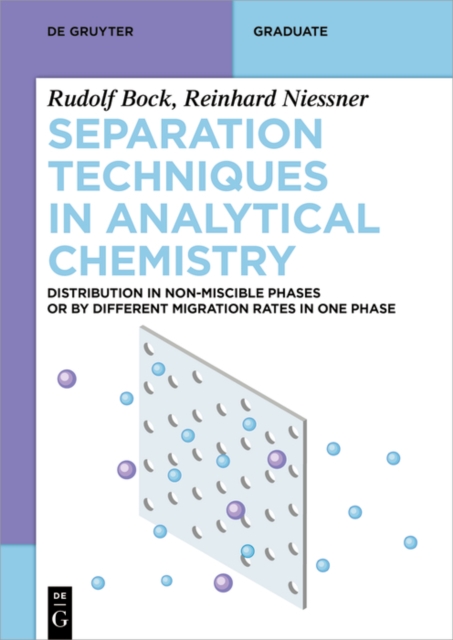
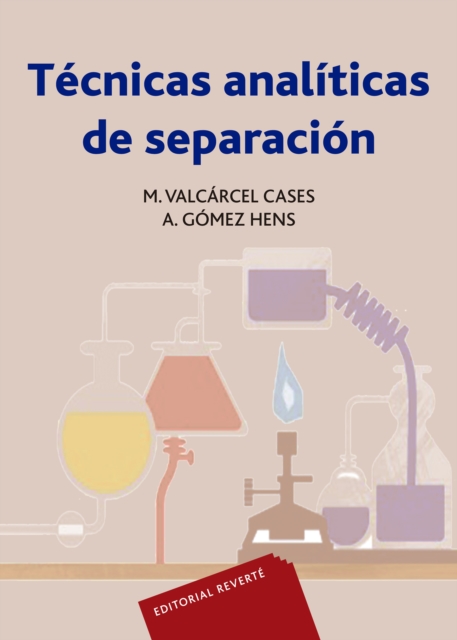
Pese a la existencia de buenas monografías sobre las distintas técnicas de separación, desde hace años no se ha publicado una obra general con orientación fundamentalmente pedagógica.
Este libro es un texto práctico de análisis instrumental (o, como preferimos llamarlo, de Análisis químico e instrumental moderno) para estudiantes universitarios.
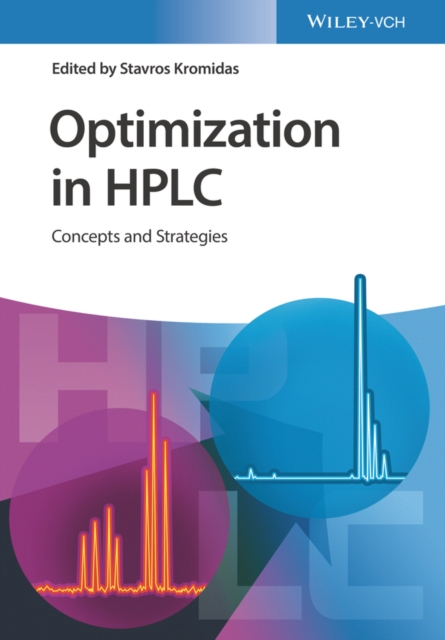
Learn to maximize the performance of your HPLC or UHPLC system with this resource from leading experts in the field Optimization in HPLC: Concepts and Strategies delivers tried-and-tested strategies for optimizing the performance of HPLC and UHPLC systems for a wide variety of analytical tasks.
Learn to maximize the performance of your HPLC or UHPLC system with this resource from leading experts in the field Optimization in HPLC: Concepts and Strategies delivers tried-and-tested strategies for optimizing the performance of HPLC and UHPLC systems for a wide variety of analytical tasks.
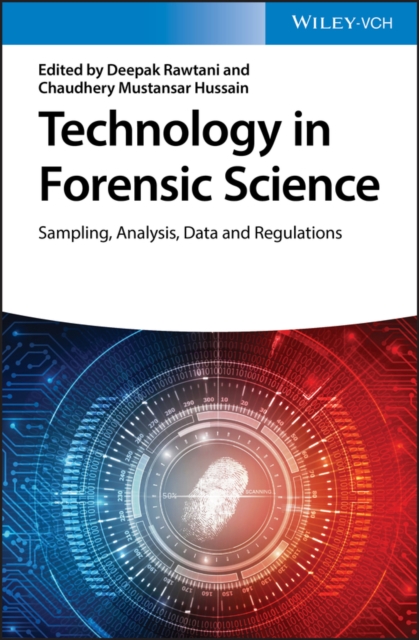
The book "e;Technology in Forensic Science"e; provides an integrated approach by reviewing the usage of modern forensic tools as well as the methods for interpretation of the results.
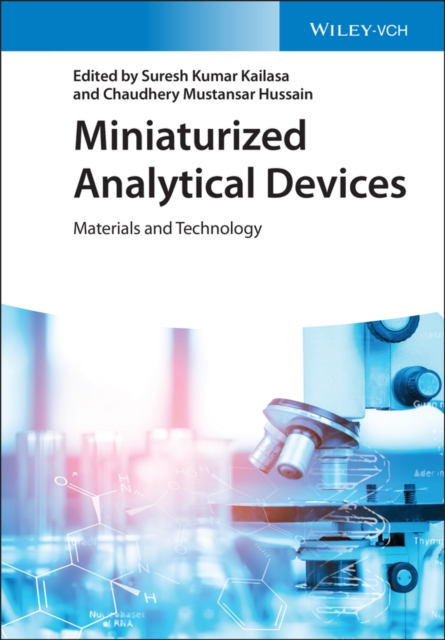
Miniaturized Analytical Devices An in-depth overview of integrating functionalized nanomaterials with mass spectrometry, spectroscopy, electrophoresis, and other important analytical techniques Miniaturized Analytical Devices: Materials and Technology is an up-to-date resource exploring the analytical applications of miniaturized technology in areas such as clinical microbiology, pharmaceuticals, agriculture, and environmental analysis.
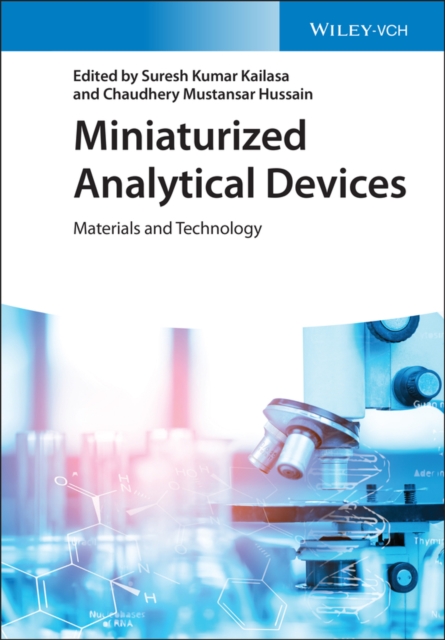
Miniaturized Analytical Devices An in-depth overview of integrating functionalized nanomaterials with mass spectrometry, spectroscopy, electrophoresis, and other important analytical techniques Miniaturized Analytical Devices: Materials and Technology is an up-to-date resource exploring the analytical applications of miniaturized technology in areas such as clinical microbiology, pharmaceuticals, agriculture, and environmental analysis.