This book presents chemical and biological methods to convert carbon dioxide into various products such as methanol, ethanol, formic acid, formaldehyde, volatile organic compounds, syngas and polymers.
This book presents the catalytic conversion of carbon dioxide into various hydrocarbons and other products using photochemical, electrochemical and thermo-chemical processes.
The tremendous impact of electronic devices on our lives is the result of continuous improvements of the billions of nanoelectronic components inside integrated circuits (ICs).
This thoroughly revised and updated Fourth Edition of a time-honored text provides the reader with a comprehensive introduction to the field of scanning electron microscopy (SEM), energy dispersive X-ray spectrometry (EDS) for elemental microanalysis, electron backscatter diffraction analysis (EBSD) for micro-crystallography, and focused ion beams.
The book reviews the basic concepts and highlights the most relevant advances and developments that have taken place in the field of comprehensive two dimensional gas chromatography (GC x GC) since its introduction in 1991.
Introduction to Laser Spectroscopy is a well-written, easy-to-read guide to understanding the fundamentals of lasers, experimental methods of modern laser spectroscopy and applications.
Established in 1960, Advances in Heterocyclic Chemistry is the definitive serial in the area, one of great importance to organic chemists, polymer chemists, and many biological scientists.
This book provides an overview of the most recent advances and innovations in the subject of hydrogen separation, its applications, and the role of membranes in this process.
This expanded and updated well-established textbook contains an advanced presentationof quantum mechanics adapted to the requirements of modern atomic physics.
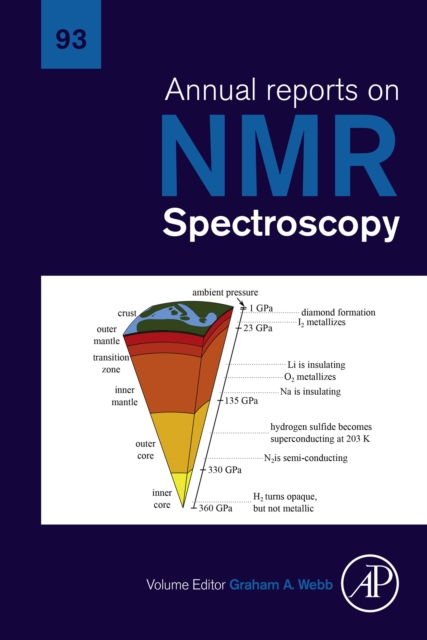
This book presents fundamental experimental data and experiment-based theoretical conclusions on, as well as physico-chemical models of, the natural hydrothermal, metasomatic, metamorphic, magmatic and ore-producing processes in the Earth's crust, upper mantle, transition zone and lower mantle.
In this second edition, most chapters of the first edition, which published in 2017, have been revised and recent advancement of electron microscopy such as differential phase contrast (DPC) STEM, sparse-coding image processing and quantum electron microscopy have been supplemented with further details.
The volume details techniques, methods, and conceptual developments to further the study of protein aggregation with emphasis on the pleiomorphic proteins implicated in etiology of neurodegeneration.
Over the past decade, fluorine (19F) magnetic resonance imaging (MRI) has garnered significant scientific interest in the biomedical research community owing to the unique properties of fluorinated materials and the 19F nucleus.
Techniques such as Raman, infrared, fluorescence, and even nonlinear spectroscopies have recently grown in resolution and possibilities thanks to the use of nanostructured surfaces.
In this second edition, most chapters of the first edition, which published in 2017, have been revised and recent advancement of electron microscopy such as differential phase contrast (DPC) STEM, sparse-coding image processing and quantum electron microscopy have been supplemented with further details.
The interest in finding reliable and highly sensitive sensors for water quality control has grown recently empowered by the explosion of cutting-edge technologies such as nanotechnologies, optoelectronics, and computing on one hand and by the increasing need for more secure control of water quality on the other hand.
This book starts with an overview and introduction on the trends in nanofabrication and nanoimprint technology, followed by a detailed discussion on the design, fabrication, and evaluation of nanoimprint biosensors.
Since four decades, rapid detection and monitoring in clinical and food diagnostics and in environmental and biodefense have paved the way for the elaboration of electrochemical biosensors.
Molecular imprinting is one of the most efficient methods to fabricate functional polymer structures with pre-defined molecular recognition selectivity.
Consisting of six chapters, written by experts in their field, this book charts the progress made in the use of quantum dots as the signaling component in optical sensors since their discovery in the early 1980s.
This book focuses on the advantages and disadvantages of each of the commonly used quantitative proteomic methods in terms of accuracy, sensitivity, and reproducibility.
This book describes the continuing development of inexpensive, portable flow cytometers through incorporation of microfluidic technologies and small optical components.
In a normal physiological state, several bacteria are present in the human gut that is essential to maintain the normal to healthy gastrointestinal function.
This book presents recent research on ancient Silk Road wall paintings, providing an up-to-date analysis of their coloring materials and techniques, and of developments in efforts to preserve them.
This book discusses chemometric methods for spectroscopy analysis including NIR, MIR, Raman, NMR, and LIBS, from the perspective of practical applied spectroscopy.
This volume focuses on the potential use of probiotics in treating metabolic disorders such as diabetes mellitus, metabolic acidosis, and gut dysbiosis.
This book illustrates the significance of various optical spectroscopy and microscopy techniques, including absorption spectroscopy, fluorescence spectroscopy, infrared spectroscopy, and Raman spectroscopy for deciphering the nature of biological molecules.
The volume is a collection of best selected research papers presented at the 4th International Conference on Inventive Material Science Applications (ICIMA 2021) organized by PPG Institute of Technology, Coimbatore, India during 14 - 15 May 2021.