Science of Heat and Thermophysical Studies provides a non-traditional bridging of historical, philosophical, societal and scientific aspects of heat with a comprehensive approach to the field of generalized thermodynamics.
Gas chromatography remains the world's most widely used analytical technique, yet the expertise of a large proportion of chromatographers lies in other fields.
Lectins: Analytical Technologies covers both analytical and biological aspects of lectins (functional carbohydrate (complex sugar) recognition proteins) and provides researchers in the field with a resource containing background information and 'look-up' tables detailing lectin specificity and structures.
Volume 1 of the Sustainable Management of Sediment Resources mini-series is the first attempt to fill many of these gaps in knowledge and also in practice.
Physico-Chemical Analysis of Molten Electrolytes includes selected topics on the measurement and evaluation of physico-chemical properties of molten electrolytes.
Separations of Water Pollutants with Nanotechnology, the latest volume in the Separation Science and Technology series, offers new solutions for remediating water pollution utilizing nanomaterials with separation methods.
Commercial Biosensors and Their Applications: Clinical, Food, and Beyond offers professionals an in-depth look at some of the most significant applications of commercially available biosensor-based instrumentation in the clinical, food quality control, bioprocess monitoring, and bio threat fields.
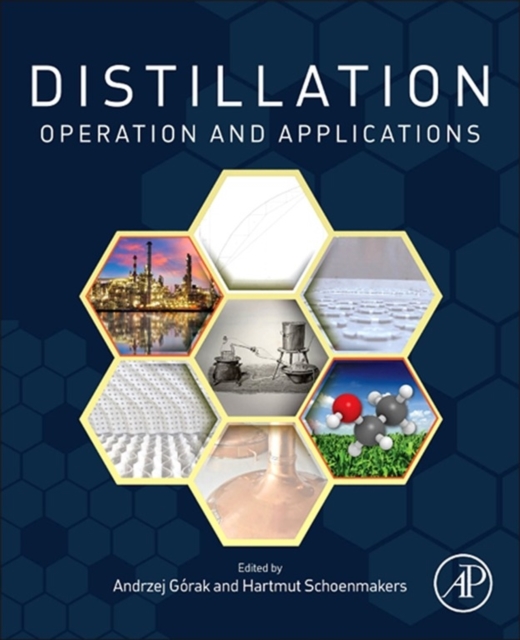
Distillation: Operation and Applications-winner of the 2015 PROSE Award in Chemistry & Physics from the Association of American Publishers-is a single source of authoritative information on all aspects of the theory and practice of modern distillation, suitable for advanced students and professionals working in a laboratory, industrial plants, or a managerial capacity.
Handbook of Methods and Instrumentation in Separation Science, Volume 1 provides concise overviews and summaries of the main methods used for separation.
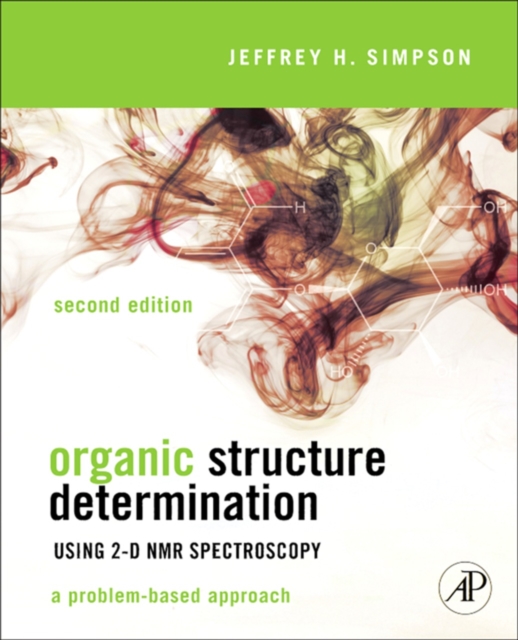
Organic Structure Determination Using 2-D NMR Spectroscopy: A Problem-Based Approach, Second Edition, is a primary text for a course in two-dimensional (2-D) nuclear magnetic resonance (NMR) techniques, with the goal to learn to identify organic molecular structure.
A classic in the area of organic synthesis, Strategies and Tactics in Organic Synthesis provides a forum for investigators to discuss their approach to the science and art of organic synthesis.
With the ever increasing number of samples to be assayed in agronomical laboratories and servicing stations, fertilizer and food industries, sugar factories, water treatment plants, biomedical laboratories, drug quality control, and environmental research, the interest for automated chemical analysis has been increasing.
Natural Water Remediation: Chemistry and Technology considers topics such as metal ion solubility controls, pH, carbonate equilibria, adsorption reactions, redox reactions and the kinetics of oxygenation reactions that occur in natural water environments.
Practical NMR Spectroscopy Laboratory Guide is designed to provide non-expert NMR users, typically graduate students in chemistry, an introduction to various facets of practical solution-state NMR spectroscopy.
Selection of the HPLC Method in Chemical Analysis serves as a practical guide to users of high-performance liquid chromatography and provides criteria for method selection, development, and validation.
Fundamentals of Quantum Mechanics, Third Edition is a clear and detailed introduction to quantum mechanics and its applications in chemistry and physics.
The lack of adherence to medication is a growing public health problem worldwide and is costing many patients their good health and healthcare systems billions of dollars.
Inhaled Pharmaceutical Product Development Perspectives: Challenges and Opportunities describes methods and procedures for consideration when developing inhaled pharmaceuticals, while commenting on product development strategies and their suitability to support regulatory submission.
Instrumental Thin-Layer Chromatography delivers comprehensive coverage of this separation tool with particular emphasis on how this tool can be used in advanced laboratories and integrated into problem-solving scenarios.
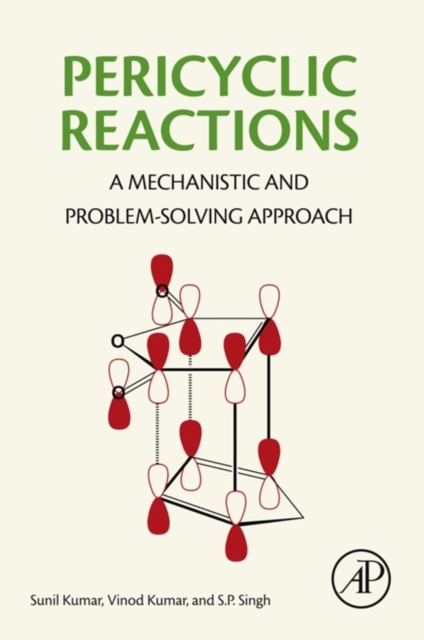
Pericyclic Reactions: A Mechanistic and Problem-Solving Approach provides complete and systematic coverage of pericyclic reactions for researchers and graduate students in organic chemistry and pharmacy programs.
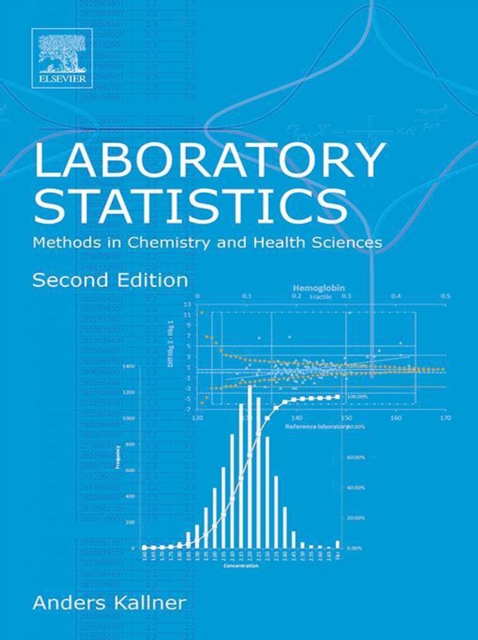
Laboratory Statistics: Methods in Chemistry and Health Science, Second Edition, presents common strategies for comparing and evaluating numerical laboratory data.
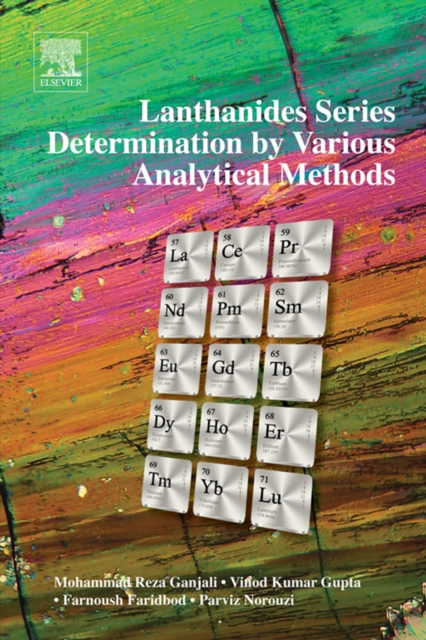
Lanthanides Series Determination by Various Analytical Methods describes the different spectroscopic and electrochemical methods used for the determination and measurement of lanthanides.
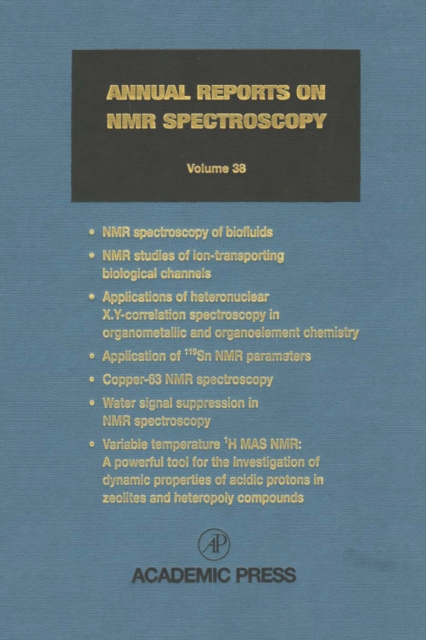
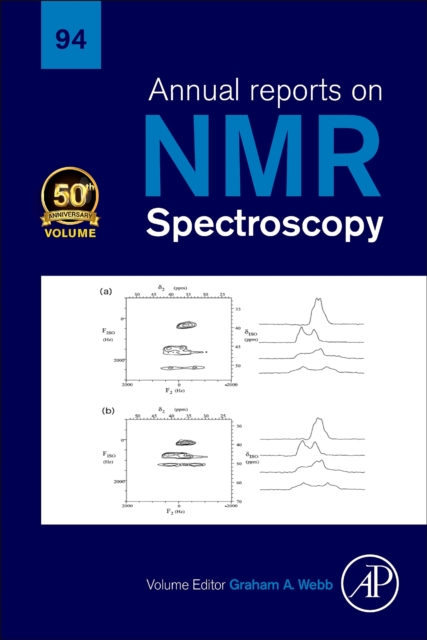
Annual Reports on NMR Spectroscopy, Volume 94, provides a thorough accounting of progress in nuclear magnetic resonance (NMR) spectroscopy and its applications in all branches of science in which precise structural determination is required, and in which the nature of interactions and reactions in solution is being studied.
Evaluating Water Quality to Prevent Future Disasters, volume 11 in the Separation Science and Technology series, covers various separation methods that can be used to avoid water catastrophes arising from climate change, arsenic, lead, algal bloom, fracking, microplastics, flooding, glyphosphates, triazines, GenX, and oil contamination.
A single source of authoritative information on all aspects of the practice of modern liquid chromatography suitable for advanced students and professionals working in a laboratory or managerial capacity- Chapters written by authoritative and visionary experts in the field provide an overview and focused treatment of a single topic- Each chapter emphasizes the integration of chromatographic methods and sample preparation, automation, and explains how liquid chromatography is used in different industrial sectors- Focuses on expanding and illustrating the main features of the fundamental section, while demonstrating where and how the best practices of liquid chromatography are utilized- Comprehensive coverage of modern liquid chromatography from theory, to methods, to selected applications- Thorough selected references and tables with commonly used data to facilitate research, practical work, comparison of results, and decision making
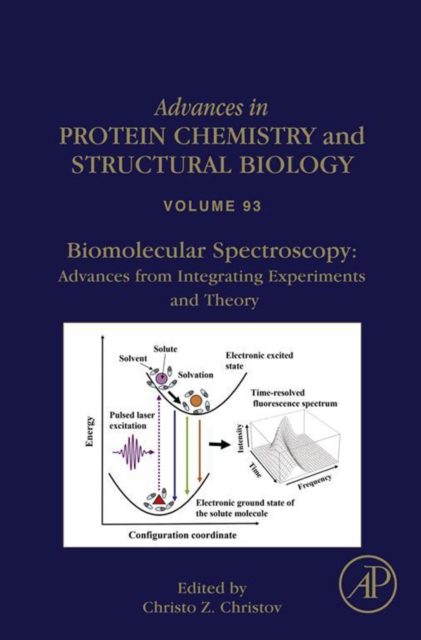
Published continuously since 1944, Advances in Protein Chemistry and Structural Biology has been a continuous, essential resource for protein chemists.
Nanomaterials in Chromatography: Current Trends in Chromatographic Research Technology and Techniques provides recent advancements in the wide variety of chromatographic techniques applied to nanotechnology.
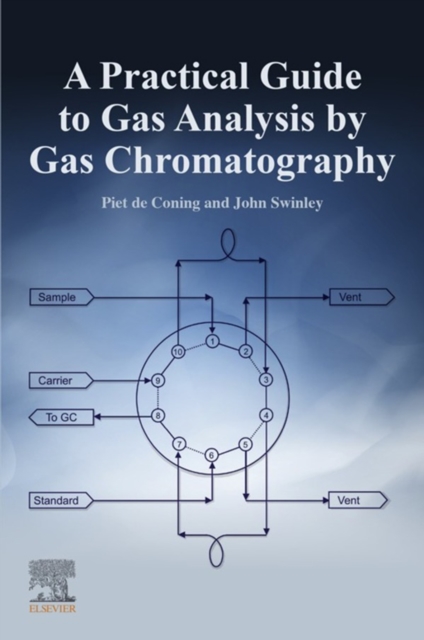
A Practical Gas Analysis by Gas Chromatography provides a detailed overview of the most important aspects of gas analysis by gas chromatography (GC) for both the novice and expert.
Chemical Analysis for Forensic Evidence provides readers with the fundamental framework of forensic analytical chemistry, describing the entire process, from crime scene investigation to evidence sampling, laboratory analysis, quality aspects, and reporting and testifying in court.
Vapor Generation Techniques for Trace Element Analysis: Fundamental Aspects provides an overview and discussion of the fundamental aspects governing derivatization reactions of trace-level elements for analytical purposes.
Carbon Dots in Analytical Chemistry: Detection and Imaging explores recent progress in the field of carbon dots synthesis and properties and their integration with various miniaturized analytical devices for the detection of chemical species and imaging of cells.
Annual Reports in Computational Chemistry, Volume 18 in this important serial, highlights new advances in the field, with this new volume presenting interesting chapters on a variety of timely topics, including Atomistic modelling of surface plasmon resonances, Recent Advances in Solvation Modelling Applications: Chemical Properties, Reaction Mechanisms and Catalysis, Entropy considerations in catalysis, High level computational chemistry methods, and Computational Organofluorine chemistry.
ICP-MS and Trace Element Analysis as Tools for Better Understanding Medical Conditions, Volume 97 discusses trace elements and how they play an important role in biological functions and metabolism in the human body.
Annual Reports on NMR Spectroscopy, Volume 105, the latest release in a series that has established itself as a premier resource for both specialists and non-specialists interested in new techniques and applications pertaining to NMR spectroscopy includes a variety of updated chapters covering Recent advances in dynamic nuclear polarization-enhanced NMR spectroscopy for organic polymers and Functional and structural characterization of membrane-binding proteins using NMR.