GC/LC Instruments, Derivatives in Identifying Pollutants and Unknowns outlines the methods of identifying various components in products, processes, or discharges to the environment.
International Series of Monographs in Analytical Chemistry, Volume 37: Microanalysis by the Ring-Oven Technique, Second Edition focuses on the ring-oven method.
Photoelectron Spectroscopy provides an introduction to the principles of photoelectron spectroscopy, including its applications in structural and analytical chemistry.
Classification and Nomenclature of Electroanalytical Techniques contains the revised and updated recommendations on electroanalytical classification and nomenclature.
International Union of Pure and Applied Chemistry: Nomenclature, Symbols, Units and their Usage in Spectrochemical Analysis-III: Analytical Flame Spectroscopy and Associated Non-Flame Procedures covers the analytical application of flame spectroscopy and related procedures, which is not encompassed in the first two parts of the series.
A consideration of the development of photochemical systems with functions as optical sensors or switches, discussing materials and chemical systems, technology, and applications for target molecules and optical signal multiplexing.
This monograph introduces the students and specialists of agricultural and food science to the fundamentals of optical spectroscopy, main principles of modern spectroscopic instrumentation, advantages and practical applications of spectroscopic methods to investigation of agricultural objects such as milk and dairy products, eggs, honey, animal hair, and agronomic plants.
Concepts & Calculations in Analytical Chemistry: A Spreadsheet Approach offers a novel approach to learning the fundamentals of chemical equilibria using the flexibility and power of a spreadsheet program.
Chromatography of Natural, Treated and Waste Waters is the first book to bring together information of a range of chromatographic techniques in all types of water, precipitation to sewage effluents.
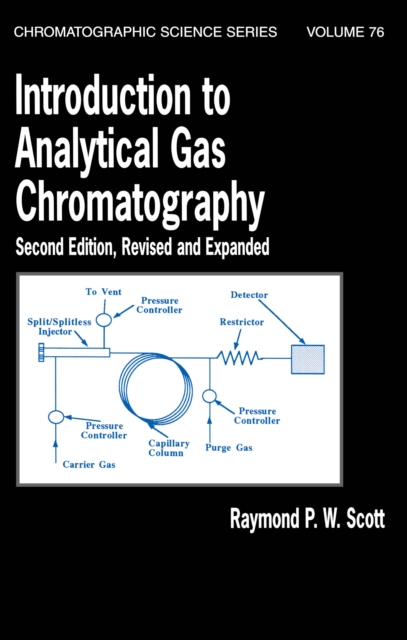
This work provides a clear presentation of the chromatographic process - demonstrating the functions of all associated instrumentation and the procedures necessary to obtain accurate qualitative and quantitative results.
Provides insights into the composition of petroleum, especially its heavy ends, and presents a review of modern methods for the analysis of heavy petroleum fractions, which are viewed as refinery feedstocks.
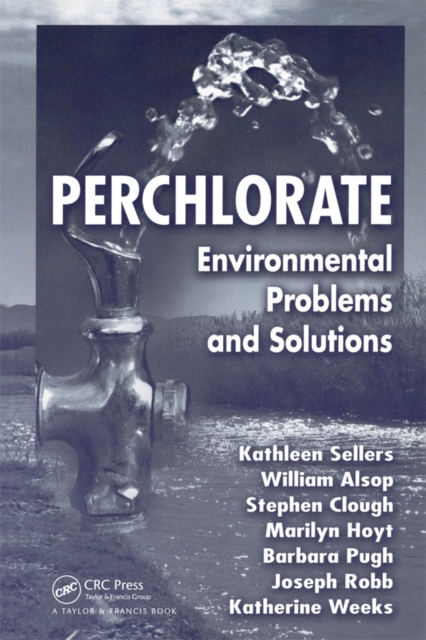
The development of analytical methods for identifying widespread perchlorate contamination brought about an explosion of research into the environmental problems and their potential solutions along with a corresponding increase in the availability of information.
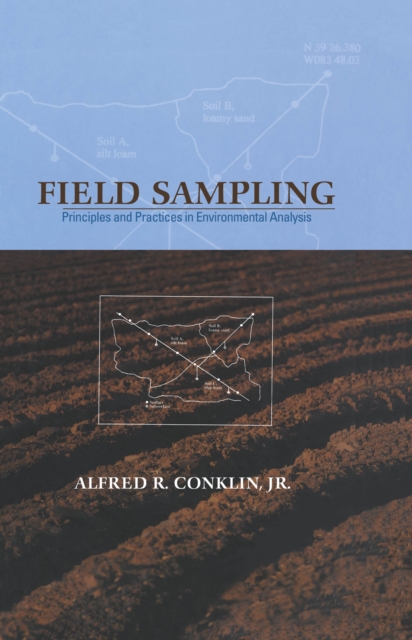
Written by a renowned professional with more than 30 years of experience in environmental sampling and analysis, this reference describes in unparalleled detail all the essential elements for the development and execution of a successful sampling plan at both contaminated and uncontaminated sites.
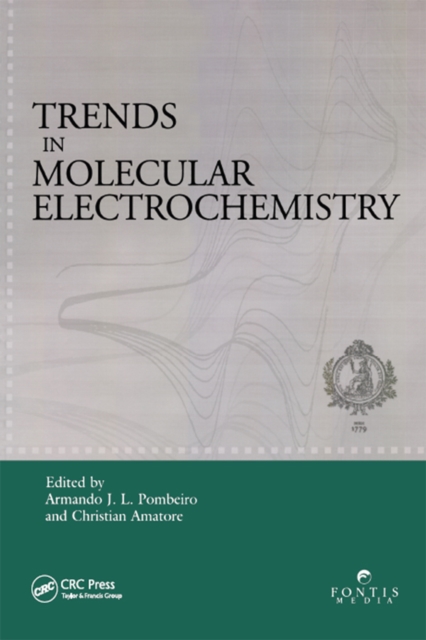
Chemists increasingly apply electrochemical methods to the investigation of their systems, in particular towards a better understanding of molecular properties, the exploration of chemical reactions involving electron-transfer (ET), the initiation of further reactions by ET, the kinetic measurements, and the establishment of the reaction mechanisms
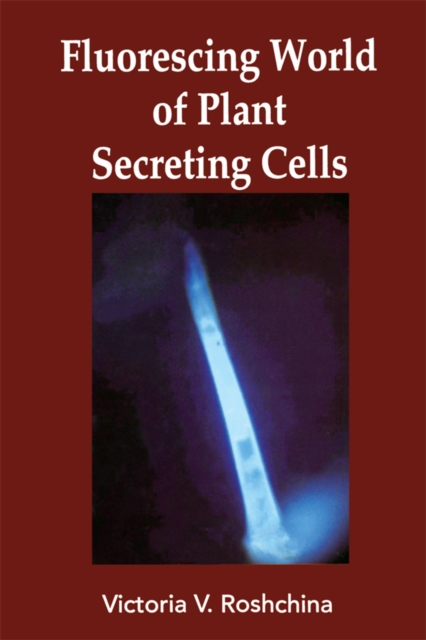
This book summarizes information on autofluorescence of plant secretory cells as a phenomenon and the possibilities of the practical use of light emission by cell biologists, biophysists, biochemists, botanists and ecologists.
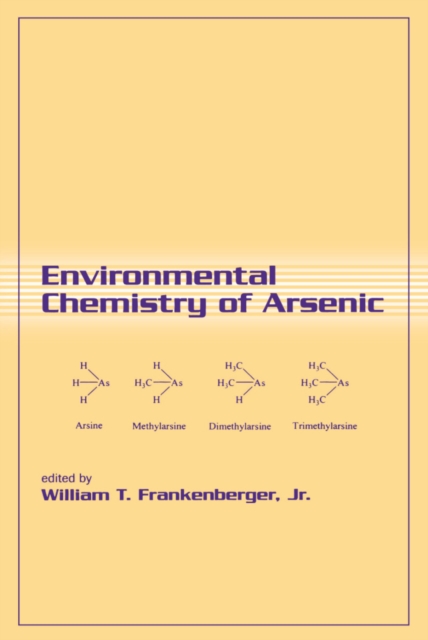
With contributions from world-renowned experts in the field, this book explores developments in the transport kinetics, seasonal cycling, accumulation, geochemistry, transformation, and toxicology of arsenic.
Covering the principles of chromatographic separation, the chromatographic process from a physical chemical perspective, instrumentation for performing analyses, and operational procedures, this second edition offers information needed for the successful practice of gas chromatography.
Electronic Noses and Olfaction 2000 reflects the state of progress toward the development and application of electronic instruments called electronic noses (e-noses).
This volume details the theories, mechanisms, technologies and trends for solving qualitative and quantitative problems in diverse areas of analytical research - emphasizing physicochemical principles.
A Century of Separation Science presents an extensive overview of the critical developments in separation science since 1900, covering recent advances in chromatography, electrophoresis, field-flow fractionation, countercurrent chromatography, and supercritical fluid chromatography for high-speed and high-throughput analysis.
"e;Provides comprehensive coverage of the structures, properties, and interactions of organo-clay complexes as well as their role in the origin of life.
Equipment used for the analysis of water is frequently insufficiently sensitive to be able to detect the low concentrations of organic and inorganic substances present in samples.
Marine environment can be affected by several pollutants such as the presence of elements and their chemical species, pharmaceuticals, nanoparticles and other emerging contaminants.
NMR Spectroscopy in Liquids and Solids provides an introduction of the general concepts behind Nuclear Magnetic Resonance (NMR) and its applications, including how to perform adequate NMR experiments and interpret data collected in liquids and solids to characterize molecule systems in terms of their structure and dynamics.
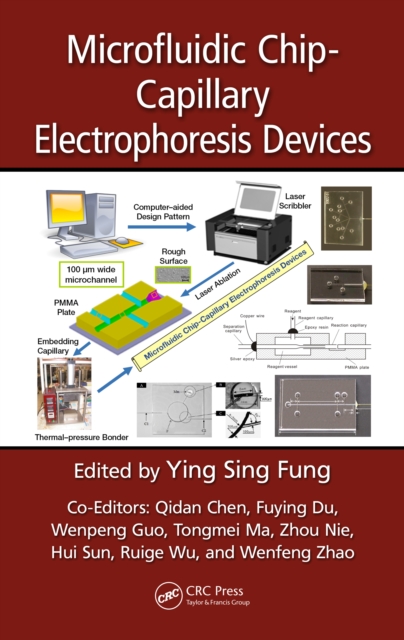
Capillary electrophoresis (CE) and microfluidic chip (MC) devices are relatively mature technologies, but this book demonstrates how they can be integrated into a single, revolutionary device that can provide on-site analysis of samples when laboratory services are unavailable.
Over recent years electronic spectroscopy has developed significantly, with key applications in atmospheric chemistry, astrophysics and astrochemistry.
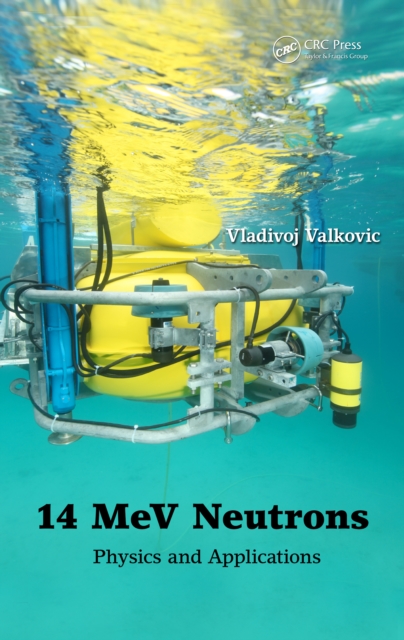
Despite the often difficult and time-consuming effort of performing experiments with fast (14 MeV) neutrons, these neutrons can offer special insight into nucleus and other materials because of the absence of charge.
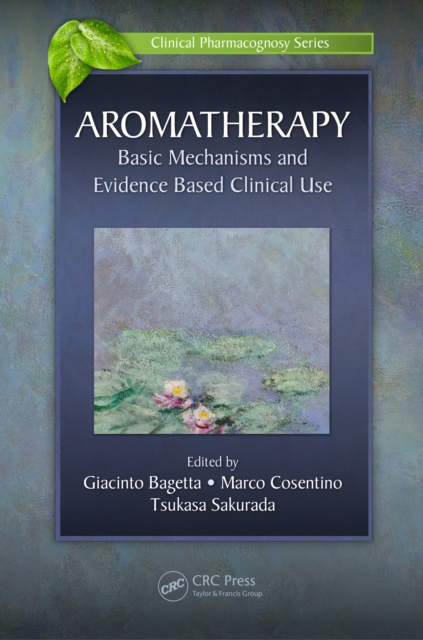
This reference provides an up-to-date compilation of background scientific information that advocates the application of currently developed clinical studies of the effects of aromatherapy to the treatment of human diseases such as mild, stress-induced mood disorders, infectious diseases, and age-related disturbances.
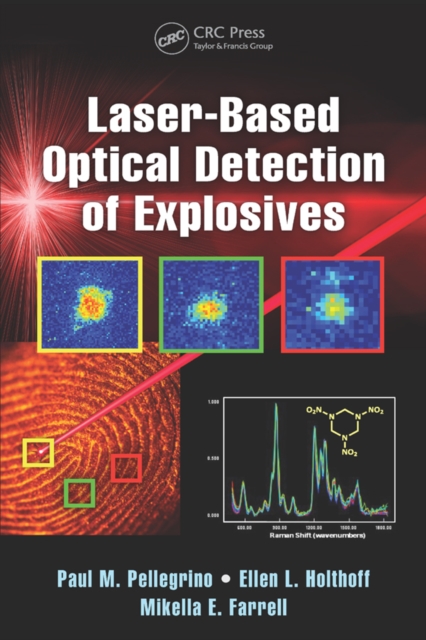
Laser-Based Optical Detection of Explosives offers a comprehensive review of past, present, and emerging laser-based methods for the detection of a variety of explosives.
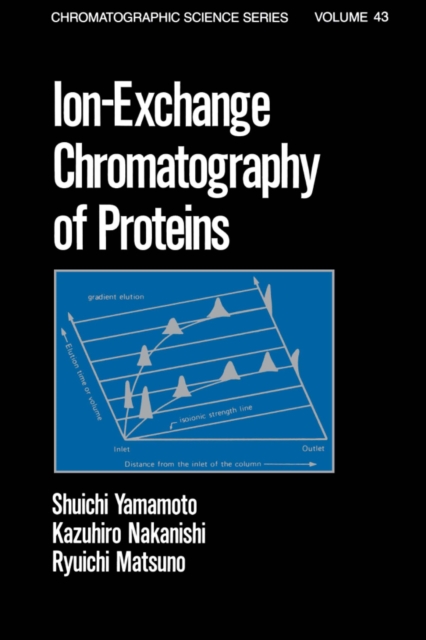
Showing chemists how to predict ion-exchange chromatography (IEC) separation behaviour and how to determime appropriate operating conditions, this reference illustrates procedures, apparatus and types of ion exchanges, emphasizing the design and application of large-scale IEC.
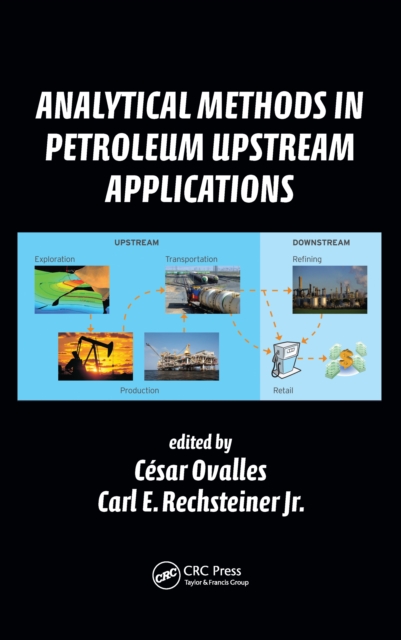
Effective measurement of the composition and properties of petroleum is essential for its exploration, production, and refining; however, new technologies and methodologies are not adequately documented in much of the current literature.
Presenting the latest developments in the field for more than four decades, the Advances in Chromatography series is relied on by scientists and researchers for the most up-to-date information on a wide range of chromatographic methods and applications.
Describes analytical methods development, optimization and validation, and provides examples of successful methods development and validation in high-performance liquid chromatography (HPLC) areas.
Green chemistry involves designing novel ways to create and synthesize products and implement processes that will eliminate or greatly reduce negative environmental impacts.
Accurate uranium analysis, and particularly for isotope measurements, is essential in many fields, including environmental studies, geology, hydrogeology, the nuclear industry, health physics, and homeland security.