Reviews of Environmental Contamination and Toxicology attempts to provide concise, critical reviews of timely advances, philosophy and significant areas of accomplished or needed endeavor in the total field of xenobiotics, in any segment of the environment, as well as toxicological implications.
This volume discusses environmental issues associated with deep-sea mining, with an emphasis on potential impacts, their consequences and the policy perspectives.
This book describes the creation of a monitoring network, which can provide information about the exact locations and the environmental threats posed by chemical weapons (CW) dumpsites in the Baltic Sea region, using autonomous underwater vehicles (AUVs) and remotely operated underwater vehicles (ROVs), and utilising the existing research vessels of NATO partner institutions as launching platforms.
This book presents a comprehensive study of the environmental situation prevailing in the areas located near the Koshkar-Ata (Kazakhstan) tailings dump and the development of rehabilitation measures taking into account the area's soil and climatic features.
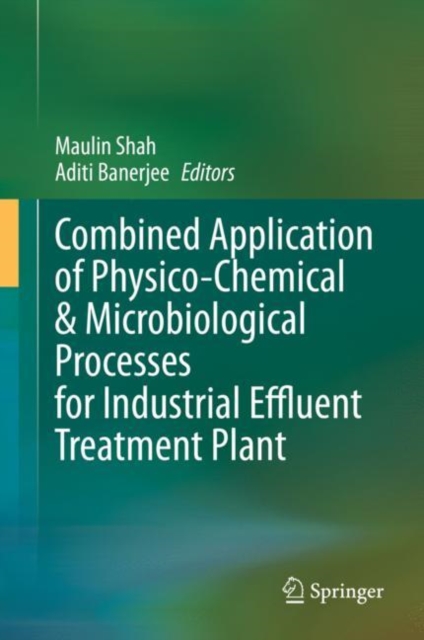
As we know, rapid industrialization is a serious concern in the context of a healthy environment and public health due to the generation of huge volumes of toxic wastewater.
Advances in Geophysics, Volume 60, the latest release in this highly-respected publication in the field of geophysics, contains new chapters on a variety of topics, including Marchenko imaging, Fiber-optic sensing and distributed acoustic sensing, Diffractions, and Time-lapse interferometry across scales.
The book presents the state-of-the-art document describing the knowledge, data, cost-effectiveness and technologies employed to manage the waste in several countries such as Morocco, Tunisia, Egypt, Jordon, Syria, Palestine, Lebanon, and Yemen.
This book covers the latest in recycling and reuse research focused toward greater sustainability and includes chapters authored by the world's leading thinkers and practitioners in the field.
This book presents a detailed history of chemical warfare development during the First World War and discusses design approaches to gas masks and the performance of new filter materials that decontaminate chemical warfare agents (CWA) when applied in the vapor phase.
This third volume on environmental nanotechnology includes chapters dealing with topics such nanoremediation, waste water purification, nanosensors, nanomedicine, and nanofiltration.
This book presents an intensive study on the biogeochemical cycle of mercury in a river-reservoir system in Wujiang River Basin, the upper branch of the Yangtze River.
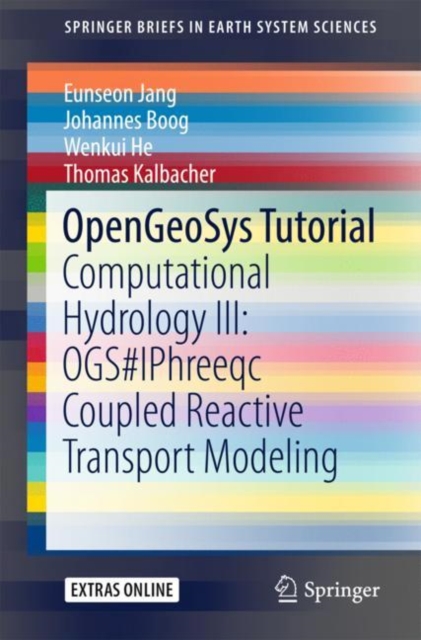
This tutorial provides the application of the coupling interface OGS#IPhreeqc (open-source scientific software) to model reactive mass transport processes in environmental subsurface systems.
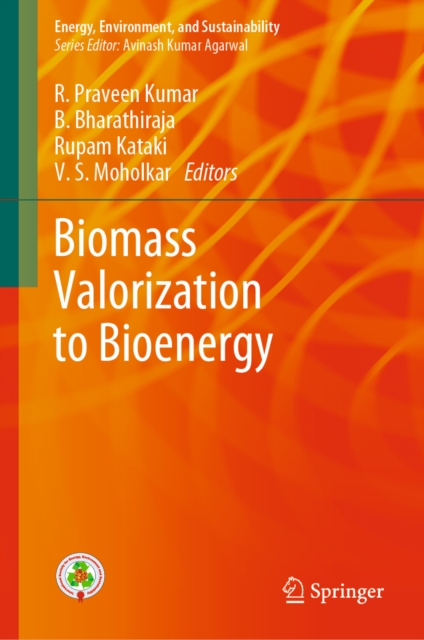
This book covers topics related to bioenergy production from various biomass sources, including agricultural residues and waste biomass from both domestic and industrial use.
In recent decades, scientific insight into the chemistry of water has increased enormously, leading to the development of advanced wastewater and water purification technologies.
In the context of climate change and fossil fuel pollution, solar energy appears as a cheap and sustainable fuel for many environmental applications, yet the efficiency of techniques has to be improved.
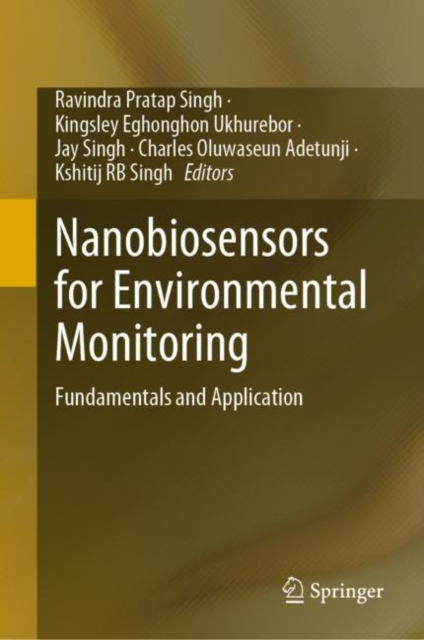
This book entails detailed information on the utilization of nanobiosensor as an effective technology for the effective detection, monitoring, and management of environmental contaminations to ensure its sustainability and humanity's well-being.
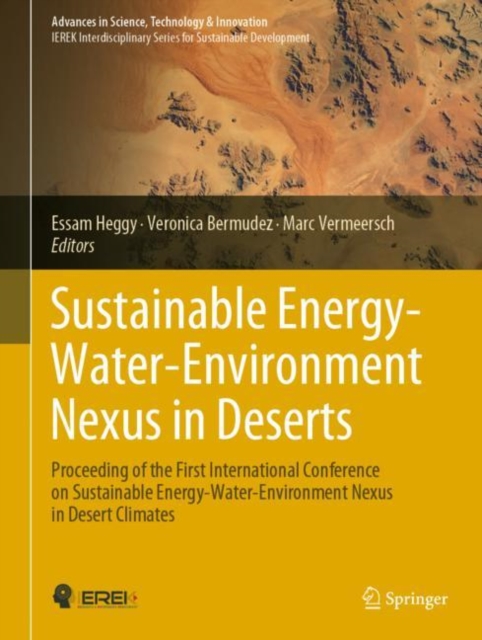
This book addresses challenges and opportunities in the Energy-Water-Environment (EWE) nexus, with a particular focus on research and technology development requirements in harsh desert climates.
Reviews of Environmental Contamination and Toxicology attempts to provide concise, critical reviews of timely advances, philosophy and significant areas of accomplished or needed endeavor in the total field of xenobiotics, in any segment of the environment, as well as toxicological implications.
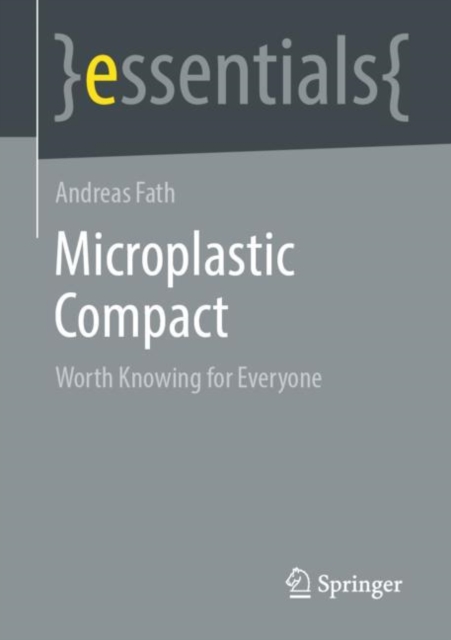
This volume discusses the growing issue of global environmental microplastic pollution resulting from the industrial manufacturing of everyday products.
This book provides a cross-disciplinary, multi-scale assessment of the development of adsorption-based refrigerants and super-adsorbent-based wastewater purification.
Emerging contaminants (ECs) are predominantly unregulated anthropogenic chemicals that occur in air, soil, water, food, and plant/animal tissues in trace concentrations.
This book highlights recent advancements in such an important topic, through contribution from experts demonstrating different applications in 'day-to-day' life, both existing and newly emerging non-biological technologies, and thought provoking approaches from different parts of the world, potential future prospects associated with some frontier development in non-conventional energy sources.
Among various industries releasing wastewater into the environment, printing, dyeing and textile industries are of great importance as they frequently contain high amounts of colorful compounds having high chemical and biological oxygen demands.
This textbook provides an overview of applications of advanced nanomaterials, basic lab set up and requirements in for their synthesis, techniques and career scope of nanotechnology in industries and research.
Ozone has been actively and widely employed in water and wastewater treatment, but the utilization of ozone alone is insufficient for purifying and disinfecting water to the emission standard of real-world situations because of its selective oxidation behaviour.
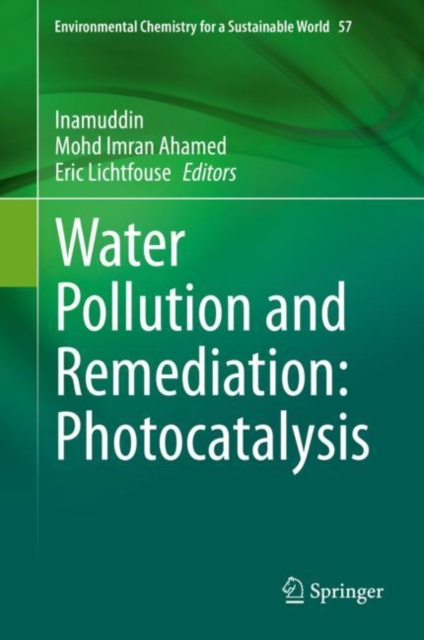
This book explores the modification of various synthesis processes to enhance the photocatalytic activity in varied applications in the fields of environmental remediation and energy production.
This book explores the modification of various synthesis processes to enhance the photocatalytic activity in varied applications in the fields of environmental remediation and energy production.
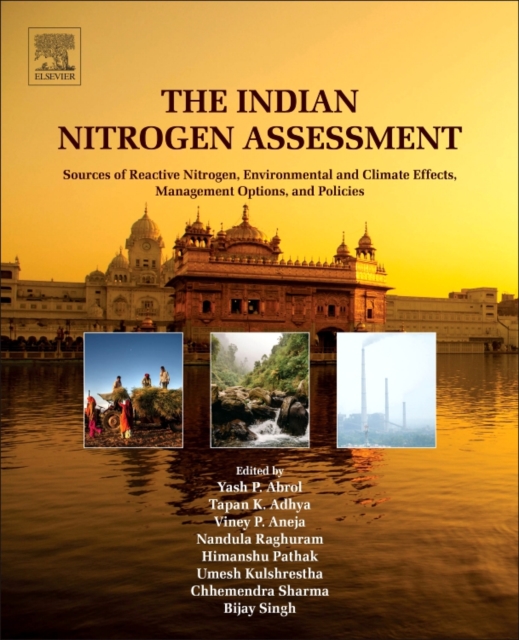
The Indian Nitrogen Assessment: Sources of Reactive Nitrogen, Environmental and Climate Effects, and Management Options and Policies provides a reference for anyone interested in Reactive N, from researchers and students, to environmental managers.
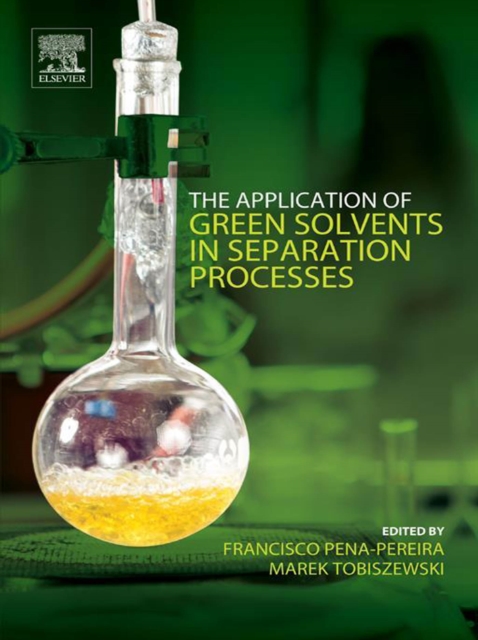
The Application of Green Solvents in Separation Processes features a logical progression of a wide range of topics and methods, beginning with an overview of green solvents, covering everything from water and organic solvents, to ionic liquids, switchable solvents, eutectic mixtures, supercritical fluids, gas-expanded solvents, and more.
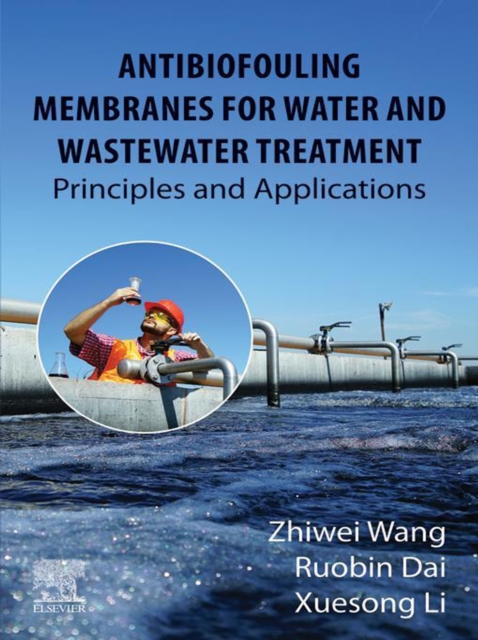
Antibiofouling Membranes for Water and Wastewater Treatment: Principles and Applications covers most recent advances, challenges, and industrial applications of antibiofouling membranes to help in reducing cost and increasing sustainability of long term-filtration performance of membranes in water and wastewater treatment.
Biomass-Derived Materials for Environmental Applications presents state-of-the-art coverage of bio-based materials that can be applied to address the growing global concern of pollutant discharge in the environment.
Pesticides Remediation Technologies from Water and Wastewater focuses on environmental aspects and health effects of pesticides, the use of conventional and AOPs technologies, and adsorption processes and nanomaterials for the removal of pesticides from water and wastewater.