Up-to-date coverage of methods of emulsion polymerization This book provides a comprehensive reference on emulsion polymerization methods,focusing on the fundamental mechanisms and kinetics of each process, as well as howthey can be applied to the manufacture of environmentally friendly polymeric materials.
A broad overview of the interaction of DNA with surfactants and polymers Due to the potential benefits of biotechnology, interest in the interaction between DNA and surfactants and polymers has become increasingly significant.
Organic and Physical Chemistry of Polymers provides a thorough introduction to the fundamentals of polymers, including their structure and synthesis as well as their chemical and physical properties.
A definitive work on ESR and polymer science by today's leading authorities The past twenty years have seen extraordinary advances in electron spin resonance (ESR) techniques, particularly as they apply to polymeric materials.
In this data book, both conventional Py-GC/MS where thermal energy alone is used to cause fragmentation of given polymeric materials and reactive Py-GC/MS in the presence of organic alkaline for condensation polymers are compiled.
This book focuses on starch polymers including starch genetics, biotechnological and chemical modification, nanostructures, processing, characterization, properties and applications.
Hypercrosslinked network polymers present a new class of polymeric materials with very wide application possibilities, including adsorption technology, ion exchange, HPLC, analytical chemistry, nanotechnology (nanocomposites), medical polymers- First book describing the theory, practice of preparation and use of polymeric adsorbing materials with the emphasis on new hypercrosslinked polystyrene-type polymers- Written by the originators of the concept of hypercrosslinked polymers- Complex phenomena are explained by appealing to common sense, analogies and well-known effects, rather than complex mathematical treatment and computer modelling- Reviews many Russian, German and even Czech language publications- Contains numerous experimental data in the form of Figures and Tables
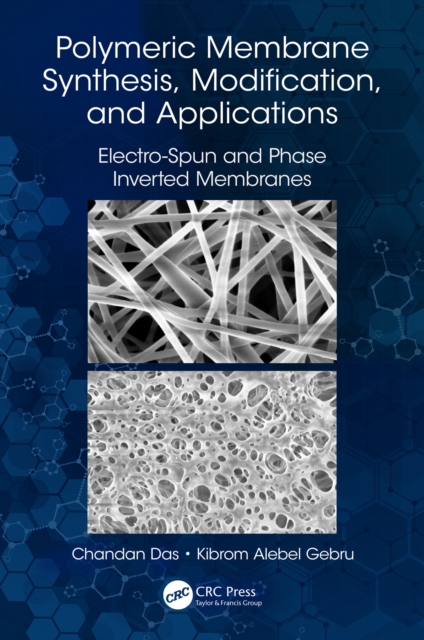
Membranes and membrane separation techniques have grown from a simple laboratory tool to an industrial process with considerable technical and commercial impact.
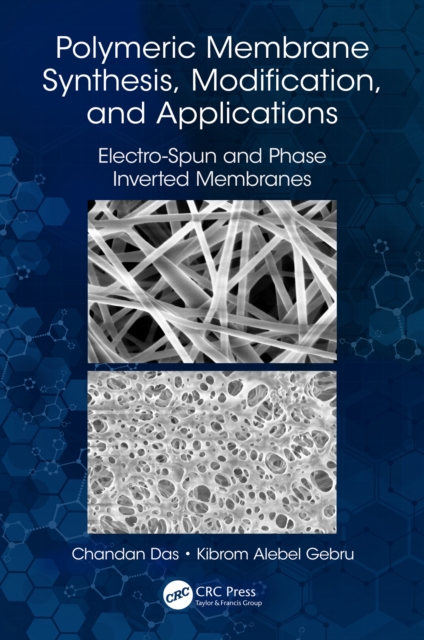
Membranes and membrane separation techniques have grown from a simple laboratory tool to an industrial process with considerable technical and commercial impact.
Inspired by naturally occurring light-active molecular systems such as photosynthesis, scientists have long devoted their efforts to understanding how light and molecules interact.
Inspired by naturally occurring light-active molecular systems such as photosynthesis, scientists have long devoted their efforts to understanding how light and molecules interact.
Comprising one volume ofFunctional and Modified Polymeric Materials, Two-Volume Set, this curated collection of papers by Professor Eli Ruckenstein and co-workers discusses the merits of concentrated emulsion polymerization systems, as well as their ability to yield a broad variety of products with high synthetic efficiency.
Comprising one volume of Functional and Modified Polymeric Materials, Two-Volume Set, this well-organized collection of papers by Professor Eli Ruckenstein and co-workers focuses on functional and modified polymeric materials prepared mainly through solution polymerization and surface polymerization.
Comprising one volume ofFunctional and Modified Polymeric Materials, Two-Volume Set, this curated collection of papers by Professor Eli Ruckenstein and co-workers discusses the merits of concentrated emulsion polymerization systems, as well as their ability to yield a broad variety of products with high synthetic efficiency.
Comprising one volume of Functional and Modified Polymeric Materials, Two-Volume Set, this well-organized collection of papers by Professor Eli Ruckenstein and co-workers focuses on functional and modified polymeric materials prepared mainly through solution polymerization and surface polymerization.
There is increasing interest in the area of protective vests, either for protection against bullets or protection from the most realistic threats within domestic frontline operations: edged weapon, knives, and medical needles.
There is increasing interest in the area of protective vests, either for protection against bullets or protection from the most realistic threats within domestic frontline operations: edged weapon, knives, and medical needles.
In the past few decades, marine organisms, including macroalgae and microalgae, have been extensively explored as potential sources of bioactive compounds with applications in various fields such as pharmaceuticals, biomedicine, cosmetics and foodstuffs.
In the past few decades, marine organisms, including macroalgae and microalgae, have been extensively explored as potential sources of bioactive compounds with applications in various fields such as pharmaceuticals, biomedicine, cosmetics and foodstuffs.
This book emphasizes the scientific origin of deformation and damage of FRP composites under various environmental effects and analyses present understanding on degradation mechanisms, role of interfaces and addition of nanofillersDiscusses micro-characterization of composites and interfaces, also includes micro-mechanisms and microscopic evidences to establish the structure-property correlationElucidates advantages and limitations of FRP composites in supercritical applications
This book emphasizes the scientific origin of deformation and damage of FRP composites under various environmental effects and analyses present understanding on degradation mechanisms, role of interfaces and addition of nanofillersDiscusses micro-characterization of composites and interfaces, also includes micro-mechanisms and microscopic evidences to establish the structure-property correlationElucidates advantages and limitations of FRP composites in supercritical applications
Approaching the material from a chemistry and engineering perspective, High Performance Polymers presents the most reliable and current data available about state-of-the-art polymerization, fabrication, and application methods of high performance industrial polymers.
BY THE AUTHOR OF THE BESTSELLING, PRIZE-WINNING STUFF MATTERS Sometimes explosive, often delightful, occasionally poisonous, but always fascinating: the secret lives of liquids, from one of our best-known scientists________________A series of glasses of transparent liquids is in front of you: but which will quench your thirst and which will kill you?
Polymers are used in everything from nylon stockings to commercial aircraft to artificial heart valves, and they have a key role in addressing international competitiveness and other national issues.
Polyurethane and Related Foams: Chemistry and Technology is an in-depth examination of the current preparation, processing, and applications of polyurethanes (PURs) and other polymer foams.
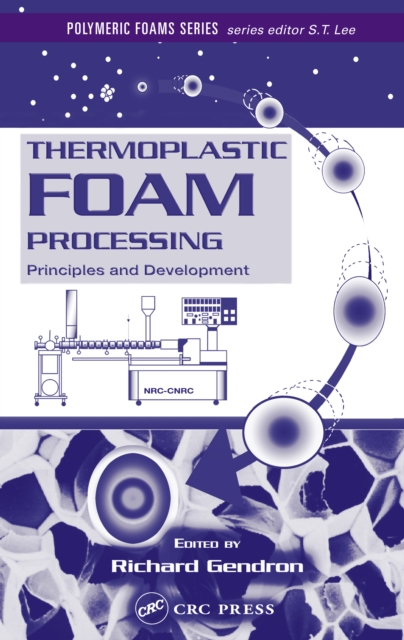
As researchers seek replacements for banned, ozone-depleting foaming agents, the authors of Thermoplastic Foam Processing: Principles and Development strive to develop a better understanding of foaming processes and find solutions for day-to-day practice.
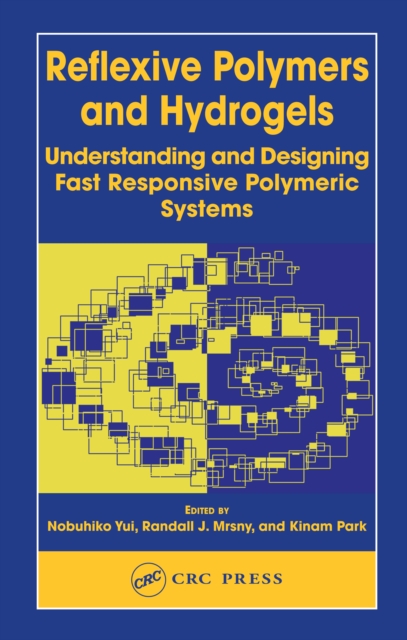
Despite their capacity to carry out functions that previously were unobtainable, smart polymers and hydrogels tend to have painfully slow response times.
Written with the non-scientist in mind, this book employs the molecule and its interactions to explain the characteristics of living organisms in terms of the underlying chemistry of life.
This book provides a concise introduction to phospholipid chemistry and is intended for a broad audience of biologists, biochemists, and graduate students.
Written by leading experts from around the world, Monte Carlo and Molecular Dynamics Simulations in Polymer Science comprehensively reviews the latest simulation techniques for macromolecular materials.
Bio-nanocomposites combine the enhanced properties of commercial polymer nanocomposites with the low environmental impact of biodegradable material, making them a topic of great current interest.
Bio-nanocomposites combine the enhanced properties of commercial polymer nanocomposites with the low environmental impact of biodegradable material, making them a topic of great current interest.
The Equilibrium Theory of Inhomogeneous Polymers provides an introduction to the field-theoretic methods and computer simulation techniques that are used in the design of structured polymeric fluids.