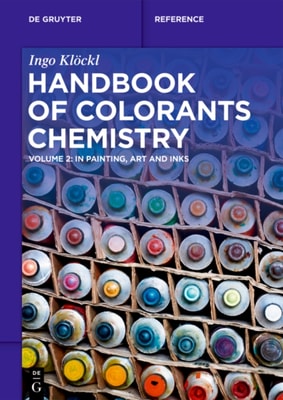
Volume 1 of the Handbook of Colorants Chemistry comprehensively covers the fundamentals of color as well as the underlying scientifi c principles, via the presentation of molecular compositions of inorganic and organic pigments.
The increase of renewable electricity production and the resulting surplus lead us to ask: how to improve energy efficiency through the use of hydrogen?
Due to the advances of various methods for the prediction of toxicity of organic compounds and ionic liquids (ILs), it is necessary to review these methods for scientists and students.
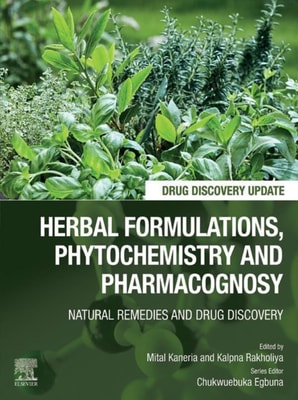
Herbal Formulations, Phytochemistry and Pharmacognosy combines the principles of natural medicines with refined modern technology to illustrate and promote the development of more ecofriendly, better effective, easily available and affordable drug discovery processes.
Fused Pyranones: Multifaceted Building Blocks for Molecular Diversity covers the synthesis and chemical reactivity of fused pyranone ring systems, such as coumarin, isocoumarin, chromonone, chroman-4-one, and others, as well as their applications in the fields of drug discovery and material sciences.
Neurotransmitters are usually considered to be endogenous substances that are released from neurons, act on receptor sites that are typically present on membranes of postsynaptic cells and produce a functional change in the properties of the target cell.
Over the years, the uses and applications of rare earth elements (REEs) diversified in various fields such as catalysis, production of magnets, glasses, alloys, and electronics.
'Natural Compounds: Plant Sources, Structure and Properties' details the properties of over 7,500 chemical compounds of pharmacological interest found in plants.
Over the years, the uses and applications of various non-conventional solvents such as ionic liquids, deep eutectic solvents, crown ethers, fluorinated solvents, glycols, glycerol etc diversified in various fields.
Over the years, applications of various non-conventional solvents diversified in various fields such as organic synthesis, natural products, drug design, pharmaceuticals, dyes and agrochemical industries.
Understanding the biotransformations of aromatic compounds and how they metabolize in animals, plants, and microbes, is central to the applications in a wide range of industries, such as the design and testing of natural and synthetic pharmaceuticals, oil refining, the development of agrochemicals, bioremediation, and for use in functional genomics
Progress in Heterocyclic Chemistry (PHC), Volume 35 is the latest in this annual review series that contains both highlights of the previous year's literature on heterocyclic chemistry and articles on new and developing topics of particular interest to heterocyclic chemists.
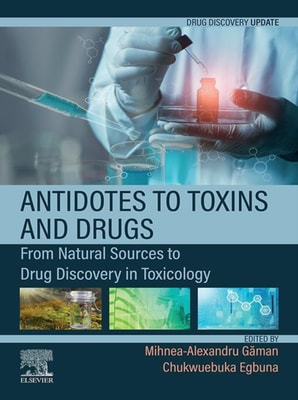
Antidotes to Toxins and Drugs: From Natural Sources to Drug Discovery in Toxicology presents recent advances in the discovery of natural antidotes to toxins, drug intoxications and overdoses in pharmacology, drug discovery and toxicology.
This book provides a comprehensive introduction and review of state-of-the-art biotechnological tools in enhancement of bioactive compounds in medicinal and aromatic plants.
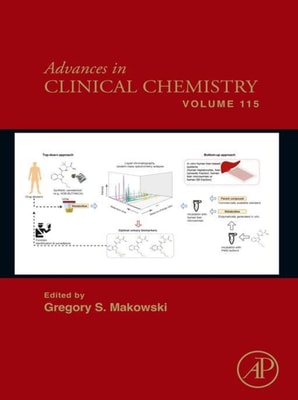
Advances in Clinical Chemistry, Volume 115, the latest installment in this internationally acclaimed series, contains chapters authored by world-renowned clinical laboratory scientists, physicians and research scientists.
This book discusses the effects of prolonged hypoventilation, or a pulmonary condition on hypoxia, and hypercapnia, its effect on the formation of some joint diseases, and the types of natural medicine used in the treatment of each joint disease.
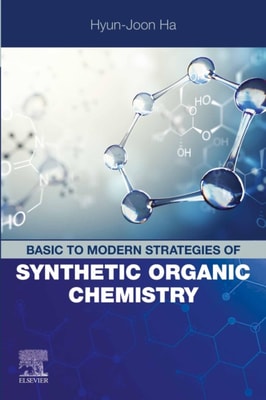
Basic to Modern Strategies of Synthetic Organic Chemistry offers fresh perspectives and interests to professionals engaged in organic synthesis in various fields.
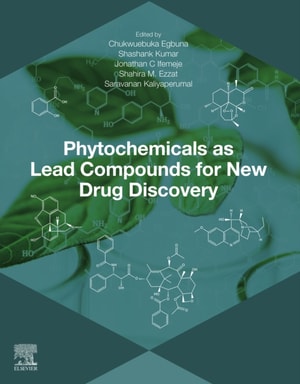
Phytochemicals as Lead Compounds for New Drug Discovery presents complete coverage of the recent advances in the discovery of phytochemicals from medicinal plants as models to the development of new drugs and chemical entities.
Basic Principles of Drug Discovery and Development presents the multifaceted process of identifying a new drug in the modern era, which requires a multidisciplinary team approach with input from medicinal chemists, biologists, pharmacologists, drug metabolism experts, toxicologists, clinicians, and a host of experts from numerous additional fields.
Annual Reports in Medicinal Chemistry provides timely and critical reviews of important topics in medicinal chemistry together with an emphasis on emerging topics in the biological sciences, which are expected to provide the basis for entirely new future therapies.
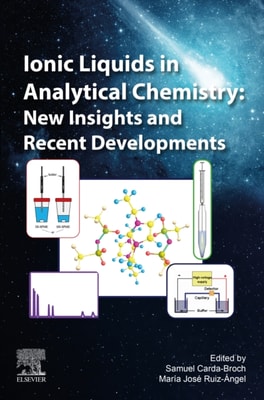
Ionic liquids in Analytical Chemistry: New Insights and Recent Developments focuses on the use of these materials in the field of chemical analysis, paying attention to different areas such as sample preparation, separation techniques, spectroscopy and electrochemical methods.
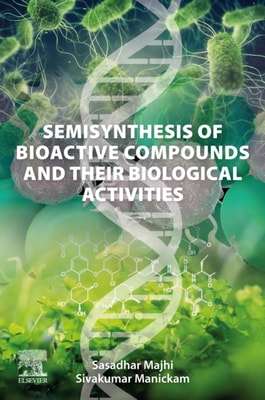
Semisynthesis of Bioactive Compounds and their Biological Activities explores the potential benefits of semisynthetic derivatives obtained from nature.
Reactive oligomers (ROs) constitute a starting material for the production of numerous polymeric materials with a pre-assigned set of physico-mechanical and physico-chemical properties.
Progress in Heterocyclic Chemistry: Volume 34, the latest in this annual review series commissioned by the International Society of Heterocyclic Chemistry (ISHC), contains both highlights of the previous year's literature on heterocyclic chemistry and articles on new developing topics of particular interest to heterocyclic chemists.