The focus of this singular work is to discuss the role and importance of bioorganic phase in food products-providing the first major reference source for researchers looking to understand all aspects of the isolation, extraction and application of this major element in natural foods.
This book comprehensively summarizes important aspects of research in the active field of lignocellulosic (polymer) composites, including polymer materials from or containing cellulose, hemicellulose and lignin.
This text comprehensively covers the analysis, enzymology, physiology and genetics of valuable natural products used in the food industry that are attractive targets for biotechnological production.
This unique book covers the latest developments in coupling and decoupling of biomolecules containing functionalized carbohydrate components, being one of the first collections in this important area of applied medicinal chemistry.
This book describes applications of acridines for the treatment of various neurodegenerative diseases, such as Alzheimer's disease, Parkinson's disease, and various prion diseases, and discusses the potential of acridines in neuro-regenerative medicine.
This thesis focuses on theoretical analysis of the sophisticated ultrafast optical experiments that probe the crucial first few picoseconds of quantum light harvesting, making an important contribution to quantum biology, an exciting new field at the intersection of condensed matter, physical chemistry and biology.
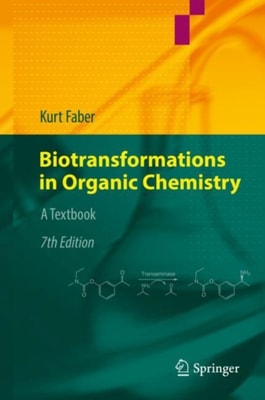
This well-established textbook on biocatalysis provides a basis for undergraduate and graduate courses in modern organic chemistry, as well as a condensed introduction into this field.
This book effectively links the latest scientific advances to current technological applications of polymers, mainly focusing on biodegradable polymers obtained from biomass.
The series Topics in Current Chemistry Collections presents critical reviews from the journal Topics in Current Chemistry organized in topical volumes.
This comprehensive and unique text presents a full overview of downstream processing useful for those new to the concept as well as professionals with experience in the area.
This book draws on the main themes covered during the International Workshop on Molecular Architectonics which took place in Shiretoko, Japan from August 3 to 6, 2015.
This third edition of the highly successful textbook, acclaimed for its comprehensiveness, accuracy, and excellent illustrations and photographs now comes with updated coverage plus numerous didactical improvements:The number of figures has notably increased, with about one third of them now presented in color.
The series Topics in Current Chemistry Collections presents critical reviews from the journal Topics in Current Chemistry organized in topical volumes.
This Brief provides a comprehensive overview of NMR spectroscopy, covering techniques such as 1H, 13C, and 31P NMR, which are reliable tools to determine lipid oxidation level, to identify oxidation products, and to elucidate oxidation mechanism.
This book summarises the current knowledge on the role played by biologically relevant transition metals (Fe, Mn, Zn, Ni, Co, Cu and Mg) in the basic biology and virulence of bacterial pathogens from the genus Brucella.
This outstanding thesis describes a detailed investigation into the use of low-oxidation-state group 14 complexes in catalysis, developed at the cutting edge of inorganic and organometallic chemistry.
This text provides a comprehensive and thorough overview of kinetic modelling in food systems, which will allow researchers to further their knowledge on the chemistry and practical use of modelling techniques.
The series Topics in Current Chemistry Collections presents critical reviews from the journal Topics in Current Chemistry organized in topical volumes.
The first contribution reviews the occurrence of xanthine alkaloids in the plant kingdom and the elucidation of the caffeine biosynthesis pathway, providing details of the N-methyltransferases, belonging to the motif B' methyltransferase family which catalyze three steps in the four step pathway leading from xanthosine to caffeine.